


Bengal assembly dissolved, Mamata Banerjee steps down as CM
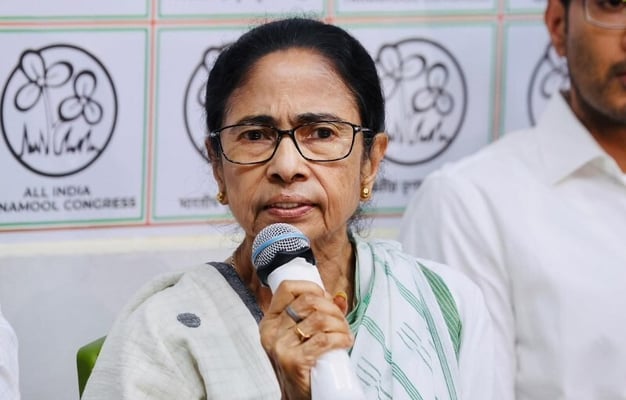
West Bengal Governor RN Ravi on Thursday dissolved the state Legislative Assembly, formally bringing the Trinamool Congress government’s tenure to an end. With the dissolution of the Assembly, Mamata Banerjee is no longer the Chief Minister of the state as reported by India Today.
According to a report by India Today, the governor exercised the constitutional authority granted to him under Article 174 (2)(b) of the Constitution of India. In the official notification, RN Ravi stated, "I hereby dissolve the Legislative Assembly of West Bengal with effect from 7th May, 2026."
Mamata Banerjee, 71, had remained firm in retaining her position despite the BJP’s strong electoral performance in the state. She alleged that the saffron party’s rise in Bengal was the result of electoral malpractice, accusing authorities of vote looting and EVM tampering.
Banerjee further claimed that the Election Commission worked in favour of the BJP and asserted that the party secured victory “immorally”.
According to India Today, the term of the Bengal government officially ended yesterday. Former Government of India Secretary Jawhar Sircar explained that until a new Chief Minister takes oath, the Governor is expected to oversee the interim administration of the state.
The political atmosphere in West Bengal has remained tense and controversial ever since the election results were announced. The Trinamool Congress alleged that votes were looted in nearly 100 constituencies where its candidates had initially maintained leads during counting.
To maintain law and order during the polling process, hundreds of central security personnel were deployed across the state. Despite these measures, several areas witnessed incidents of post-poll violence.
Reports indicate that more than five people have lost their lives so far, including Chandranath Rath, an aide of BJP Chief Ministerial frontrunner Suvendu Adhikari, who was allegedly shot dead at point-blank range in Madhyamgram.
Meanwhile, the BJP has not yet declared its Chief Ministerial candidate for West Bengal. A meeting of BJP MLAs has been scheduled for 2 pm tomorrow to elect the leader of the legislative party.
WHAT IS ARTICLE 174 (2)(b)?
Article 174, Clause 2 of the Constitution of India outlines the powers of a Governor in relation to the state legislature. It states, "The governor may from time to time — (a) prorogue the House or either House; (b) dissolve the legislative assembly."
In simpler terms, the Article grants the Governor two significant powers. Under sub-clause (a), the Governor may prorogue a House, meaning end a legislative session without dissolving the Assembly itself. The legislature may later be reconvened for another session.
Sub-clause (b), on the other hand, empowers the Governor to dissolve the Legislative Assembly entirely, thereby paving the way for fresh elections in the state.
West Bengal Governor RN Ravi on Thursday dissolved the state Legislative Assembly, formally bringing the Trinamool Congress government’s tenure to an end. With the dissolution of the Assembly, Mamata Banerjee is no longer the Chief Minister of the state as reported by India Today.
{% module_block...West Bengal Governor RN Ravi on Thursday dissolved the state Legislative Assembly, formally bringing the Trinamool Congress government’s tenure to an end. With the dissolution of the Assembly, Mamata Banerjee is no longer the Chief Minister of the state as reported by India Today.
According to a report by India Today, the governor exercised the constitutional authority granted to him under Article 174 (2)(b) of the Constitution of India. In the official notification, RN Ravi stated, "I hereby dissolve the Legislative Assembly of West Bengal with effect from 7th May, 2026."
Mamata Banerjee, 71, had remained firm in retaining her position despite the BJP’s strong electoral performance in the state. She alleged that the saffron party’s rise in Bengal was the result of electoral malpractice, accusing authorities of vote looting and EVM tampering.
Banerjee further claimed that the Election Commission worked in favour of the BJP and asserted that the party secured victory “immorally”.
According to India Today, the term of the Bengal government officially ended yesterday. Former Government of India Secretary Jawhar Sircar explained that until a new Chief Minister takes oath, the Governor is expected to oversee the interim administration of the state.
The political atmosphere in West Bengal has remained tense and controversial ever since the election results were announced. The Trinamool Congress alleged that votes were looted in nearly 100 constituencies where its candidates had initially maintained leads during counting.
To maintain law and order during the polling process, hundreds of central security personnel were deployed across the state. Despite these measures, several areas witnessed incidents of post-poll violence.
Reports indicate that more than five people have lost their lives so far, including Chandranath Rath, an aide of BJP Chief Ministerial frontrunner Suvendu Adhikari, who was allegedly shot dead at point-blank range in Madhyamgram.
Meanwhile, the BJP has not yet declared its Chief Ministerial candidate for West Bengal. A meeting of BJP MLAs has been scheduled for 2 pm tomorrow to elect the leader of the legislative party.
WHAT IS ARTICLE 174 (2)(b)?
Article 174, Clause 2 of the Constitution of India outlines the powers of a Governor in relation to the state legislature. It states, "The governor may from time to time — (a) prorogue the House or either House; (b) dissolve the legislative assembly."
In simpler terms, the Article grants the Governor two significant powers. Under sub-clause (a), the Governor may prorogue a House, meaning end a legislative session without dissolving the Assembly itself. The legislature may later be reconvened for another session.
Sub-clause (b), on the other hand, empowers the Governor to dissolve the Legislative Assembly entirely, thereby paving the way for fresh elections in the state.




Leave a Comment