

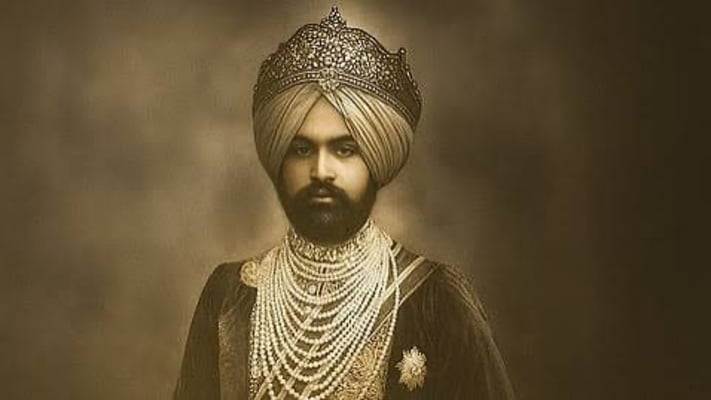

Jagat Seth: Banker to the Mughals
What if the world's richest family wasn't the Rockefellers, Rothschilds, or today's billionaires-but a group of Indian bankers who lived nearly 300 years ago?
Long before stock markets, multinational banks, and digital currencies, the Jagat Seth family commanded a financial empire so vast that historians believe their wealth would be worth nearly $1 trillion in today's terms. They financed emperors, advised Nawabs, lent money to the British East India Company, and, in the process, helped alter the course of Indian history.

According to historian John F. Richards in The Mughal Empire, the Jagat Seths were Jain Marwari bankers from Rajasthan who rose to become the financial backbone of Bengal, the wealthiest province of the Mughal Empire. Their influence extended far beyond banking. They managed state revenues, controlled coin minting, financed international trade, and advised rulers on matters of governance and finance.
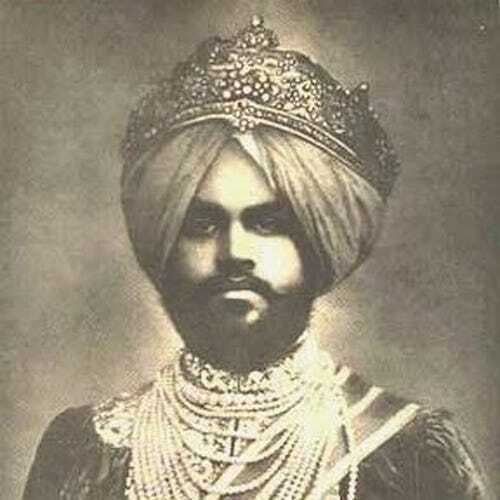
The family's remarkable journey began with Manik Chand, who migrated from Rajasthan to Bengal before establishing his banking operations there. Historical records note that Mughal Emperor Farrukhsiyar conferred upon him the title "Jagat Seth," meaning "Banker of the World," in recognition of his financial services to the empire. Following his death in 1714, his adopted son and nephew Fateh Chand transformed the banking house into one of Asia's most influential financial institutions.
According to The Cambridge Economic History of India, the Jagat Seths pioneered sophisticated banking practices through hundis, traditional bills of exchange that enabled merchants to transfer money securely across long distances without carrying cash. Their financial network connected major commercial centres across the subcontinent, making them indispensable to trade, taxation, and governance.
British historian Robert Orme described the Jagat Seths as the wealthiest family in the Mughal Empire, with influence comparable to the Bank of England in eighteenth-century Britain. Their immense wealth made them trusted financiers to Mughal emperors, Bengal's Nawabs, and even the British East India Company.
Yet, history remembers the Jagat Seths not only for their extraordinary riches but also for a decision that changed the destiny of an entire nation.
According to historian P.J. Marshall in Bengal: The British Bridgehead, deteriorating relations with Siraj-ud-Daulah, the Nawab of Bengal, prompted the family to support Robert Clive and the British East India Company. Their financial backing proved instrumental in the Battle of Plassey on 23 June 1757, where the British, aided by the defection of Mir Jafar, defeated Siraj-ud-Daulah despite being vastly outnumbered.
The victory transformed the East India Company from a trading enterprise into a political power, marking the beginning of British rule in India. Ironically, it also signalled the beginning of the Jagat Seth family's downfall.
As British authority expanded, the East India Company gradually took control of Bengal's treasury, minting operations, and revenue systems, diminishing the influence of indigenous bankers. Historical accounts further record that Mir Qasim, suspecting the family of aiding the British, ordered the execution of Mahtab Chand and Swarup Chand in 1763 at Munger Fort. Within decades, the once-unmatched banking empire had collapsed.
Today, the Jagat Seth Palace in Murshidabad stands as a museum, preserving coins, manuscripts, and artefacts that tell the story of a family that once financed kingdoms and influenced empires. Their rise and fall remain one of history's greatest reminders that while wealth can shape nations, political ambition can erase even the mightiest fortunes.
What if the world's richest family wasn't the Rockefellers, Rothschilds, or today's billionaires-but a group of Indian bankers who lived nearly 300 years ago?
Long before stock markets, multinational banks, and digital currencies, the Jagat Seth family commanded a financial empire so vast that...
What if the world's richest family wasn't the Rockefellers, Rothschilds, or today's billionaires-but a group of Indian bankers who lived nearly 300 years ago?
Long before stock markets, multinational banks, and digital currencies, the Jagat Seth family commanded a financial empire so vast that historians believe their wealth would be worth nearly $1 trillion in today's terms. They financed emperors, advised Nawabs, lent money to the British East India Company, and, in the process, helped alter the course of Indian history.

According to historian John F. Richards in The Mughal Empire, the Jagat Seths were Jain Marwari bankers from Rajasthan who rose to become the financial backbone of Bengal, the wealthiest province of the Mughal Empire. Their influence extended far beyond banking. They managed state revenues, controlled coin minting, financed international trade, and advised rulers on matters of governance and finance.

The family's remarkable journey began with Manik Chand, who migrated from Rajasthan to Bengal before establishing his banking operations there. Historical records note that Mughal Emperor Farrukhsiyar conferred upon him the title "Jagat Seth," meaning "Banker of the World," in recognition of his financial services to the empire. Following his death in 1714, his adopted son and nephew Fateh Chand transformed the banking house into one of Asia's most influential financial institutions.
According to The Cambridge Economic History of India, the Jagat Seths pioneered sophisticated banking practices through hundis, traditional bills of exchange that enabled merchants to transfer money securely across long distances without carrying cash. Their financial network connected major commercial centres across the subcontinent, making them indispensable to trade, taxation, and governance.
British historian Robert Orme described the Jagat Seths as the wealthiest family in the Mughal Empire, with influence comparable to the Bank of England in eighteenth-century Britain. Their immense wealth made them trusted financiers to Mughal emperors, Bengal's Nawabs, and even the British East India Company.
Yet, history remembers the Jagat Seths not only for their extraordinary riches but also for a decision that changed the destiny of an entire nation.
According to historian P.J. Marshall in Bengal: The British Bridgehead, deteriorating relations with Siraj-ud-Daulah, the Nawab of Bengal, prompted the family to support Robert Clive and the British East India Company. Their financial backing proved instrumental in the Battle of Plassey on 23 June 1757, where the British, aided by the defection of Mir Jafar, defeated Siraj-ud-Daulah despite being vastly outnumbered.
The victory transformed the East India Company from a trading enterprise into a political power, marking the beginning of British rule in India. Ironically, it also signalled the beginning of the Jagat Seth family's downfall.
As British authority expanded, the East India Company gradually took control of Bengal's treasury, minting operations, and revenue systems, diminishing the influence of indigenous bankers. Historical accounts further record that Mir Qasim, suspecting the family of aiding the British, ordered the execution of Mahtab Chand and Swarup Chand in 1763 at Munger Fort. Within decades, the once-unmatched banking empire had collapsed.
Today, the Jagat Seth Palace in Murshidabad stands as a museum, preserving coins, manuscripts, and artefacts that tell the story of a family that once financed kingdoms and influenced empires. Their rise and fall remain one of history's greatest reminders that while wealth can shape nations, political ambition can erase even the mightiest fortunes.





Leave a Comment