


Five eyes warns: Next AI breakthrough is just months away
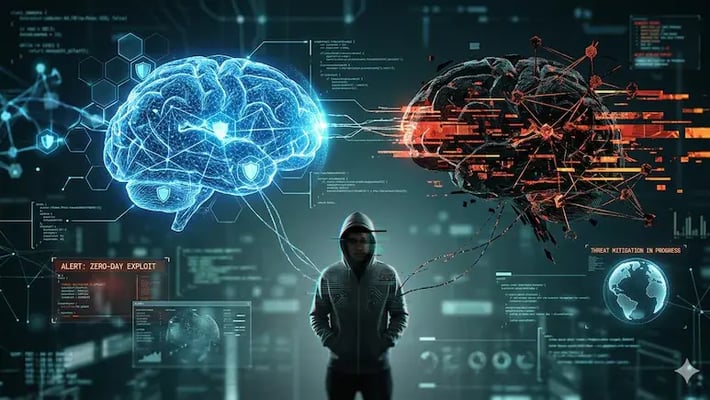
The intelligence oversight bodies of the Five Eyes alliance have issued a rare public warning, cautioning that the next generation of artificial intelligence could dramatically reshape the global cybersecurity landscape within months rather than years.
According to NDTV, the warning was delivered through a joint statement released by the Five Eyes Intelligence Oversight and Review Council (FIORC), a coalition of intelligence and security oversight agencies from Australia, Canada, New Zealand, the United Kingdom, and the United States.
The statement underscores growing concerns that rapidly advancing AI systems could significantly alter both cyber defence and cyberattack capabilities, creating new challenges for governments, businesses, and institutions worldwide.
Warning Comes Amid Growing AI Security Concerns
The announcement follows recent developments in the United States, where the administration of President Donald Trump moved to restrict access by "foreign nationals" to two advanced artificial intelligence systems developed by technology company Anthropic.
According to NDTV, the decision was made after consultations with American security agencies and reflects increasing concerns about the national security implications of cutting-edge AI technologies.
While the Five Eyes statement did not directly mention any company or specific AI model, it emphasized that frontier AI systems are advancing at a pace that could exceed current industry expectations.
The alliance warned that these technologies have the potential to fundamentally transform the cybersecurity environment in ways that many organizations may not yet be prepared for.
AI Could Change Cybersecurity Faster Than Expected
The Five Eyes alliance highlighted the accelerating pace of AI development and the profound implications it may have on cyber operations.
The statement noted:
"While AI will help us improve cyber defence over time, it also accelerates the speed, scale, and sophistication of cyber threats."
The alliance further warned:
"Frontier AI models are anticipated to exceed current industry expectations, fundamentally transforming both offensive and defensive cyber capabilities. The timeline is not years, it is months."
According to NDTV, officials believe AI's rapid evolution could shorten the gap between identifying software vulnerabilities and exploiting them, giving cybercriminals new tools to launch more sophisticated attacks.
At the same time, authorities acknowledged that AI can also serve as a powerful defensive technology when used responsibly and strategically.
Cyber Resilience Must Become a Leadership Priority
The Five Eyes statement stressed that cybersecurity can no longer be treated solely as a technical issue handled by IT departments.
Instead, the alliance argued that cyber resilience must become a core leadership responsibility that receives attention at the highest levels of organizations.
According to NDTV, the statement urged corporate leaders, government officials, and business executives to evaluate accountability structures, strengthen cyber governance frameworks, and ensure that cybersecurity teams have the authority and resources needed to respond effectively to emerging threats.
The alliance stated:
"The urgency is clear. AI is not a future consideration, it is already here."
Officials emphasized that organizations should actively reassess their security assumptions and avoid relying on outdated risk models.
AI Is Accelerating Both Threats and Defences
The statement pointed out that artificial intelligence is changing the cybersecurity equation on multiple fronts.
According to NDTV, AI tools are reducing the amount of time required for malicious actors to discover and exploit security weaknesses.
As cyberattacks become faster and more sophisticated, organizations may have significantly less time to detect threats and implement countermeasures.
However, the alliance also noted that AI has enormous defensive potential.
Advanced AI systems can assist security teams by identifying anomalies, monitoring networks, detecting vulnerabilities, and responding to threats more efficiently than traditional systems.
This dual nature of AI, serving as both a defensive and offensive tool, is one of the key reasons the Five Eyes alliance considers the technology a major strategic concern.
A Whole-of-Society Response Is Needed
The alliance emphasized that addressing AI-driven cyber risks will require cooperation across governments, businesses, and society as a whole.
The statement said:
"A whole-of-organisation and whole-of-society response is required."
It further warned:
"Cyber risk can no longer be treated as a purely technical issue. This is a core business risk and leadership responsibility."
According to NDTV, the alliance believes that organizations must move beyond compliance-based approaches and ensure that cyber resilience strategies can function effectively during real-world crises.
Company boards and senior leadership teams were urged to take an active role in cybersecurity planning rather than delegating responsibility entirely to technical departments.
Rethinking Security for the AI Era
The Five Eyes alliance also encouraged leaders to reassess long-standing assumptions about cybersecurity.
As AI continues to evolve rapidly, security strategies that appear effective today may become outdated within a matter of months.
The statement warned:
"The rapid pace of frontier AI development means cyber risk assumptions can become outdated in months, not years."
Officials added:
"We must act before and be prepared to adapt and withstand evolving threats."
According to NDTV, the alliance believes organizations should proactively deploy AI to strengthen security systems rather than focusing solely on operational efficiency and productivity gains.
Principles for the Future
To help organizations navigate the changing threat landscape, the Five Eyes bodies outlined several guiding principles.
One key recommendation was the adoption of secure-by-design and secure-by-default approaches across technology systems and digital infrastructure.
The alliance also cautioned against depending on any single security technology, arguing that layered and diversified defences remain essential for long-term resilience.
According to NDTV, officials stressed that cybersecurity preparedness must evolve alongside AI innovation, ensuring that organizations remain capable of responding to increasingly sophisticated threats.
As artificial intelligence continues to advance at an unprecedented pace, the Five Eyes alliance has delivered a clear message: the next major shift in cybersecurity may arrive far sooner than many expect, and preparation can no longer be postponed.
The intelligence oversight bodies of the Five Eyes alliance have issued a rare public warning, cautioning that the next generation of artificial intelligence could dramatically reshape the global cybersecurity landscape within months rather than years.
According to NDTV, the warning was delivered...
The intelligence oversight bodies of the Five Eyes alliance have issued a rare public warning, cautioning that the next generation of artificial intelligence could dramatically reshape the global cybersecurity landscape within months rather than years.
According to NDTV, the warning was delivered through a joint statement released by the Five Eyes Intelligence Oversight and Review Council (FIORC), a coalition of intelligence and security oversight agencies from Australia, Canada, New Zealand, the United Kingdom, and the United States.
The statement underscores growing concerns that rapidly advancing AI systems could significantly alter both cyber defence and cyberattack capabilities, creating new challenges for governments, businesses, and institutions worldwide.
Warning Comes Amid Growing AI Security Concerns
The announcement follows recent developments in the United States, where the administration of President Donald Trump moved to restrict access by "foreign nationals" to two advanced artificial intelligence systems developed by technology company Anthropic.
According to NDTV, the decision was made after consultations with American security agencies and reflects increasing concerns about the national security implications of cutting-edge AI technologies.
While the Five Eyes statement did not directly mention any company or specific AI model, it emphasized that frontier AI systems are advancing at a pace that could exceed current industry expectations.
The alliance warned that these technologies have the potential to fundamentally transform the cybersecurity environment in ways that many organizations may not yet be prepared for.
AI Could Change Cybersecurity Faster Than Expected
The Five Eyes alliance highlighted the accelerating pace of AI development and the profound implications it may have on cyber operations.
The statement noted:
"While AI will help us improve cyber defence over time, it also accelerates the speed, scale, and sophistication of cyber threats."
The alliance further warned:
"Frontier AI models are anticipated to exceed current industry expectations, fundamentally transforming both offensive and defensive cyber capabilities. The timeline is not years, it is months."
According to NDTV, officials believe AI's rapid evolution could shorten the gap between identifying software vulnerabilities and exploiting them, giving cybercriminals new tools to launch more sophisticated attacks.
At the same time, authorities acknowledged that AI can also serve as a powerful defensive technology when used responsibly and strategically.
Cyber Resilience Must Become a Leadership Priority
The Five Eyes statement stressed that cybersecurity can no longer be treated solely as a technical issue handled by IT departments.
Instead, the alliance argued that cyber resilience must become a core leadership responsibility that receives attention at the highest levels of organizations.
According to NDTV, the statement urged corporate leaders, government officials, and business executives to evaluate accountability structures, strengthen cyber governance frameworks, and ensure that cybersecurity teams have the authority and resources needed to respond effectively to emerging threats.
The alliance stated:
"The urgency is clear. AI is not a future consideration, it is already here."
Officials emphasized that organizations should actively reassess their security assumptions and avoid relying on outdated risk models.
AI Is Accelerating Both Threats and Defences
The statement pointed out that artificial intelligence is changing the cybersecurity equation on multiple fronts.
According to NDTV, AI tools are reducing the amount of time required for malicious actors to discover and exploit security weaknesses.
As cyberattacks become faster and more sophisticated, organizations may have significantly less time to detect threats and implement countermeasures.
However, the alliance also noted that AI has enormous defensive potential.
Advanced AI systems can assist security teams by identifying anomalies, monitoring networks, detecting vulnerabilities, and responding to threats more efficiently than traditional systems.
This dual nature of AI, serving as both a defensive and offensive tool, is one of the key reasons the Five Eyes alliance considers the technology a major strategic concern.
A Whole-of-Society Response Is Needed
The alliance emphasized that addressing AI-driven cyber risks will require cooperation across governments, businesses, and society as a whole.
The statement said:
"A whole-of-organisation and whole-of-society response is required."
It further warned:
"Cyber risk can no longer be treated as a purely technical issue. This is a core business risk and leadership responsibility."
According to NDTV, the alliance believes that organizations must move beyond compliance-based approaches and ensure that cyber resilience strategies can function effectively during real-world crises.
Company boards and senior leadership teams were urged to take an active role in cybersecurity planning rather than delegating responsibility entirely to technical departments.
Rethinking Security for the AI Era
The Five Eyes alliance also encouraged leaders to reassess long-standing assumptions about cybersecurity.
As AI continues to evolve rapidly, security strategies that appear effective today may become outdated within a matter of months.
The statement warned:
"The rapid pace of frontier AI development means cyber risk assumptions can become outdated in months, not years."
Officials added:
"We must act before and be prepared to adapt and withstand evolving threats."
According to NDTV, the alliance believes organizations should proactively deploy AI to strengthen security systems rather than focusing solely on operational efficiency and productivity gains.
Principles for the Future
To help organizations navigate the changing threat landscape, the Five Eyes bodies outlined several guiding principles.
One key recommendation was the adoption of secure-by-design and secure-by-default approaches across technology systems and digital infrastructure.
The alliance also cautioned against depending on any single security technology, arguing that layered and diversified defences remain essential for long-term resilience.
According to NDTV, officials stressed that cybersecurity preparedness must evolve alongside AI innovation, ensuring that organizations remain capable of responding to increasingly sophisticated threats.
As artificial intelligence continues to advance at an unprecedented pace, the Five Eyes alliance has delivered a clear message: the next major shift in cybersecurity may arrive far sooner than many expect, and preparation can no longer be postponed.





Leave a Comment