

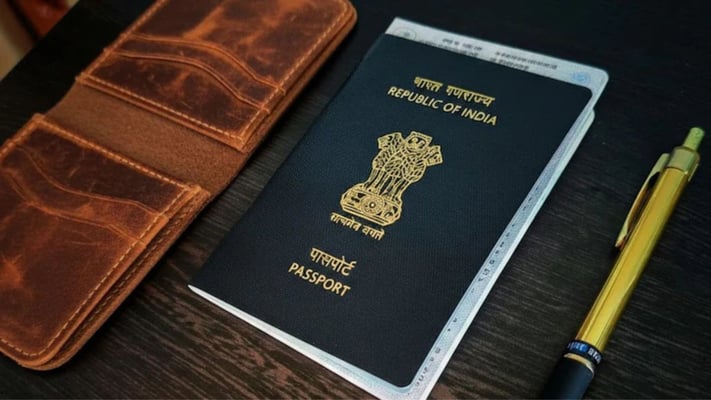

Why India has increased Passport fees
The Central Government has clarified that the recent 67 per cent increase in passport fees is the result of a comprehensive review conducted after 14 years, citing higher operational costs, improved service delivery, and upgraded passport infrastructure. According to NDTV, the revised fee structure came into effect on July 1, 2026, following amendments to the Passports Rules, 1980.
Responding to a question in the Lok Sabha on Friday, Minister of State for External Affairs Kirti Vardhan Singh said passport fees are revised periodically after assessing the cost of providing passport and related services, operational requirements, and improvements in service delivery. According to NDTV, the government said the latest revision was necessary because the previous fee revision took place in 2012.
The application fee for an ordinary fresh passport with 36 pages has been increased from Rs 1,500 to Rs 2,500 under the amended rules. According to NDTV, the revised fee structure has been applicable since July 1, 2026.
The Ministry of External Affairs (MEA) was asked whether the government had undertaken any cost study, regulatory impact assessment, or affordability assessment before implementing the revised passport charges under the Passports (Amendment) Rules, 2026.
"Passport fees are revised from time to time after a comprehensive review of the cost of providing passport and related services, operational requirements, and service delivery improvements," Singh said.
According to NDTV, the minister explained that the rising cost of various inputs and the expense of delivering improved passport services over the past 14 years made the latest revision necessary.
"The increase in the cost of various inputs and service delivery" over the 14 years since the last revision in 2012 "made it necessary to revise the passport fees", Singh said in his written reply.
According to NDTV, passport fees have previously been revised in 1971, 1980, 1993, 2002, and 2012, making the 2026 revision the first in 14 years.
The Centre also highlighted several initiatives introduced during this period to modernise passport services. According to NDTV, these include the implementation of the upgraded Passport Seva Programme (PSP) Version 2.0 and the rollout of e-Passports, both of which have enhanced the quality, security, and efficiency of passport services while also increasing service delivery costs.
The government pointed out that passport fee revisions have historically been significant. According to NDTV, the fee was increased by 67 per cent over four years in 1971, 100 per cent over nine years in 1980, 500 per cent over 13 years in 1993, 233 per cent over nine years in 2002, and 50 per cent over 10 years in 2012.
"For reference purposes, it was increased 67 per cent over 4 years in 1971; 100 per cent over 9 years in 1980; 500 per cent over 13 years in 1993; 233 per cent over 9 years in 2002 and 50 per cent over 10 years in 2012.
"Provisions for Passport applications being accompanied by prescribed fee are in Section 5(1) of the Passports Act 1967 and Rule 8 of the Passports Rules 1980," Singh said.
According to NDTV, the government maintains that the revised fee structure reflects the rising cost of delivering secure, technology-driven passport services while supporting continued improvements in the country's passport issuance system.
The Central Government has clarified that the recent 67 per cent increase in passport fees is the result of a comprehensive review conducted after 14 years, citing higher operational costs, improved service delivery, and upgraded passport infrastructure. According to NDTV, the revised fee structure...
The Central Government has clarified that the recent 67 per cent increase in passport fees is the result of a comprehensive review conducted after 14 years, citing higher operational costs, improved service delivery, and upgraded passport infrastructure. According to NDTV, the revised fee structure came into effect on July 1, 2026, following amendments to the Passports Rules, 1980.
Responding to a question in the Lok Sabha on Friday, Minister of State for External Affairs Kirti Vardhan Singh said passport fees are revised periodically after assessing the cost of providing passport and related services, operational requirements, and improvements in service delivery. According to NDTV, the government said the latest revision was necessary because the previous fee revision took place in 2012.
The application fee for an ordinary fresh passport with 36 pages has been increased from Rs 1,500 to Rs 2,500 under the amended rules. According to NDTV, the revised fee structure has been applicable since July 1, 2026.
The Ministry of External Affairs (MEA) was asked whether the government had undertaken any cost study, regulatory impact assessment, or affordability assessment before implementing the revised passport charges under the Passports (Amendment) Rules, 2026.
"Passport fees are revised from time to time after a comprehensive review of the cost of providing passport and related services, operational requirements, and service delivery improvements," Singh said.
According to NDTV, the minister explained that the rising cost of various inputs and the expense of delivering improved passport services over the past 14 years made the latest revision necessary.
"The increase in the cost of various inputs and service delivery" over the 14 years since the last revision in 2012 "made it necessary to revise the passport fees", Singh said in his written reply.
According to NDTV, passport fees have previously been revised in 1971, 1980, 1993, 2002, and 2012, making the 2026 revision the first in 14 years.
The Centre also highlighted several initiatives introduced during this period to modernise passport services. According to NDTV, these include the implementation of the upgraded Passport Seva Programme (PSP) Version 2.0 and the rollout of e-Passports, both of which have enhanced the quality, security, and efficiency of passport services while also increasing service delivery costs.
The government pointed out that passport fee revisions have historically been significant. According to NDTV, the fee was increased by 67 per cent over four years in 1971, 100 per cent over nine years in 1980, 500 per cent over 13 years in 1993, 233 per cent over nine years in 2002, and 50 per cent over 10 years in 2012.
"For reference purposes, it was increased 67 per cent over 4 years in 1971; 100 per cent over 9 years in 1980; 500 per cent over 13 years in 1993; 233 per cent over 9 years in 2002 and 50 per cent over 10 years in 2012.
"Provisions for Passport applications being accompanied by prescribed fee are in Section 5(1) of the Passports Act 1967 and Rule 8 of the Passports Rules 1980," Singh said.
According to NDTV, the government maintains that the revised fee structure reflects the rising cost of delivering secure, technology-driven passport services while supporting continued improvements in the country's passport issuance system.





Leave a Comment