




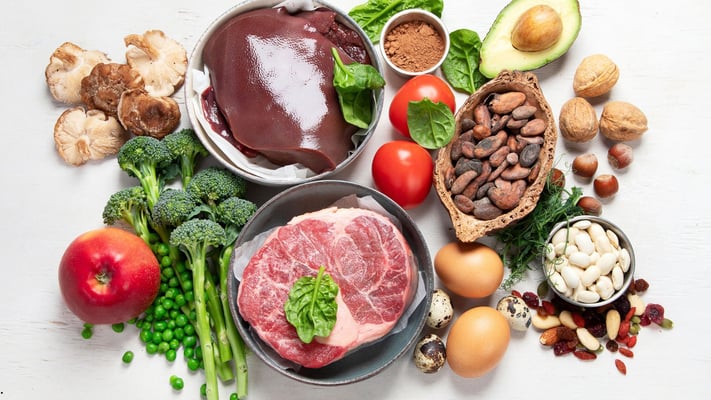



Hair is often considered a reflection of overall health, yet many people focus only on shampoos, oils, or expensive treatments when they notice increased hair fall. While external hair care products can improve the appearance of hair, they cannot address nutritional deficiencies that may be affecting hair growth from within.

According to health experts, persistent hair thinning or excessive hair shedding can sometimes indicate that the body is lacking essential nutrients. Hair follicles are among the most metabolically active tissues in the body, meaning they require a continuous supply of vitamins, minerals, and proteins to grow healthy, strong hair.
Understanding which nutrients play a role in hair health may help identify the underlying cause of hair loss and support healthier hair growth over time.
Protein: The Building Block of Hair
Hair is made primarily of keratin, a structural protein that gives hair its strength and flexibility. When the body does not receive enough dietary protein, it prioritises vital organs over hair production, which can result in increased shedding and slower hair growth.

Foods rich in protein include:
- Eggs
- Fish
- Chicken
- Lentils
- Beans
- Greek yoghurt
- Tofu
- Nuts and seeds
Including adequate protein in daily meals is especially important for people following vegetarian or vegan diets, as well as those recovering from illness.
Iron: Essential for Oxygen Delivery
Iron deficiency is one of the most common nutritional causes of hair loss, particularly among women.
Iron helps red blood cells carry oxygen throughout the body, including to the scalp and hair follicles. Without sufficient oxygen, hair follicles may become weaker, leading to excessive hair shedding.
Iron-rich foods include:
- Spinach
- Red meat
- Lentils
- Chickpeas
- Pumpkin seeds
- Fortified cereals
Consuming vitamin C-rich foods alongside plant-based sources of iron can improve iron absorption.
Vitamin D: Supporting Hair Follicle Function
Vitamin D plays an important role in regulating the hair growth cycle. Low vitamin D levels have been associated with certain forms of hair loss, although research is still ongoing.
People who spend limited time outdoors or have low sun exposure may be at greater risk of vitamin D deficiency.
Good sources include:
- Sunlight exposure
- Fatty fish
- Egg yolks
- Fortified dairy products
- Mushrooms exposed to UV light
Zinc: A Small Mineral with a Big Role
Zinc supports tissue growth, repair, and healthy hair follicle function. A deficiency may contribute to brittle hair and increased hair loss.
Foods containing zinc include:
- Shellfish
- Pumpkin seeds
- Cashews
- Chickpeas
- Whole grains
- Dairy products
Maintaining balanced zinc levels is important, as both deficiency and excessive supplementation can affect hair health.
B Vitamins: Fuel for Healthy Hair Growth
The B-vitamin family plays a crucial role in energy production and healthy cell growth.
Biotin (Vitamin B7) is one of the best-known nutrients associated with hair health, although true biotin deficiency is relatively uncommon. Other B vitamins, including Vitamin B12 and Folate, also contribute to the formation of healthy red blood cells, ensuring hair follicles receive adequate oxygen and nutrients.
Sources include:
- Eggs
- Whole grains
- Dairy products
- Leafy green vegetables
- Meat
- Fish
- Legumes
Omega-3 Fatty Acids for Scalp Health
Healthy hair begins with a healthy scalp.
Omega-3 fatty acids help support scalp hydration and may reduce inflammation that affects hair follicles.
Natural sources include:
- Salmon
- Sardines
- Walnuts
- Chia seeds
- Flaxseeds
Can Supplements Stop Hair Fall?
Many supplements marketed for hair growth contain vitamins and minerals linked to healthy hair. However, experts advise against taking supplements without medical advice.
Excessive intake of certain nutrients, including vitamin A or selenium, may actually contribute to hair loss. Blood tests can help determine whether nutritional deficiencies are present before beginning supplementation.
Lifestyle Also Matters
Nutrition is only one piece of the puzzle.
Stress, poor sleep, hormonal changes, thyroid disorders, genetics, certain medications, and underlying medical conditions can all influence hair health. Maintaining a balanced diet, exercising regularly, staying hydrated, and managing stress can support healthy hair growth alongside good nutrition.
Healthy Hair Starts from Within
While shampoos, conditioners, and styling products can improve the appearance of hair, lasting hair health depends largely on what happens inside the body.
A balanced diet rich in protein, iron, vitamin D, zinc, B vitamins, and healthy fats provides the nutrients hair follicles need to function effectively. If hair loss becomes persistent or severe, consulting a healthcare professional to identify possible nutritional deficiencies or underlying health conditions is often more effective than repeatedly changing hair care products.
Healthy hair isn't built in the bathroom—it's built on the plate.



ISSUE


Leave a Comment