




Beyond stigma
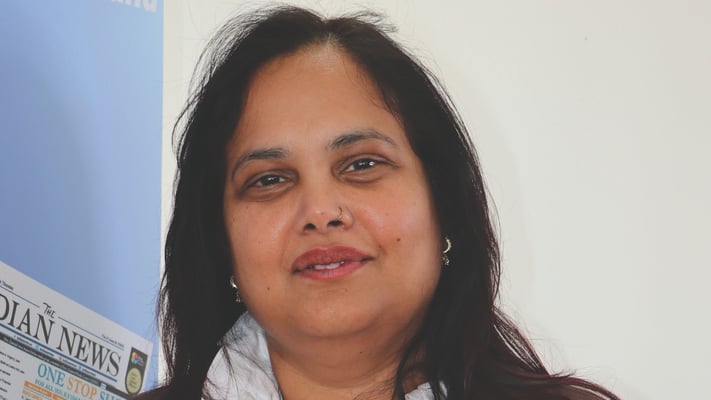


Infertility affects around one in five couples, yet stigma, cultural expectations and misconceptions can prevent people from seeking timely help. Dr Devashana Gupta, medical director of Auckland’s Repromed fertility clinic, discusses common causes, the challenges facing Indian families and why early intervention matters.
Infertility is more common than many people realise, yet it remains a difficult subject for couples to discuss, particularly in communities where having children is closely linked to family expectations and social acceptance.
Dr Devashana Gupta, a fertility specialist and gynaecologist, says around one in five couples experience infertility. However, concerns about privacy, social stigma and family pressure can prevent people from seeking professional advice.
“I see many Indian clients who feel they are the only ones experiencing this. There is often concern that if they discuss their difficulties with someone, the information may spread within the community,” she says.
As medical director at Repromed, Gupta encourages couples to overcome these concerns and seek help rather than struggle in silence.
“Fertility challenges can affect anyone. We are here to support people, and taking the first step can be as simple as making a phone call or sending an email.”
Recognising the warning signs
Age is an important factor in fertility, particularly for women. Gupta advises women aged 36 or younger to seek medical advice after 12 months of trying to conceive without success. Women older than 36 should consider seeking advice after six months.
Female fertility declines with age, while the risk of miscarriage increases. Male fertility can also be affected by age, with sperm quality generally declining over time.
“It's better to get tested early. If nothing is wrong, couples can continue trying. If treatment is needed, they can explore their options sooner,” she says.
Seeking advice does not automatically mean undergoing fertility treatment. An assessment can help identify potential issues and give couples a clearer understanding of their reproductive health and options.
Infertility is not just a woman's issue
A common misconception is that infertility is primarily a female problem. Gupta explains that its causes generally fall into three categories: female-related, male-related or a combination of both.
Female factors can include blocked fallopian tubes, irregular ovulation, polycystic ovary syndrome (PCOS) and endometriosis. Male infertility may result from low sperm production, poor sperm quality or blockages affecting sperm transport.
In some cases, investigations fail to identify a specific cause, resulting in a diagnosis of unexplained infertility. Appropriate medical assessments and tests can help determine the next steps.
Navigating cultural expectations
For Indian couples, the emotional burden of infertility can be compounded by expectations from parents and extended families. Questions about when a couple will have children, though sometimes well-intentioned, can intensify feelings of anxiety and isolation.
“I understand the family pressure because I am Indian myself,” Gupta says. “It is important to recognise those expectations while also understanding what you want as a couple.”
She cautions against postponing medical advice for years or assuming that difficulties conceiving will resolve themselves. Open communication between partners and access to confidential professional support can help couples make decisions without feeling overwhelmed by external expectations.
Lifestyle and reproductive health
Healthy habits can support reproductive health. Gupta recommends a balanced diet, regular physical activity and avoiding smoking and vaping, while limiting alcohol consumption.
Understanding the menstrual cycle and identifying the fertile window can also help couples improve their chances of conception. Those planning a family should consider their reproductive goals early, particularly if they hope to have two or three children.
Wider population concern
Gupta also highlights New Zealand's declining fertility rate as a broader demographic concern. A total fertility rate of approximately 2.1 births per woman is generally considered the replacement level in a population without migration. New Zealand's rate is around 1.5, according to the figures cited in the discussion.
Persistently low birth rates can contribute to an ageing population and increase pressure on the future workforce and tax base.
For Gupta, the message is clear: stigma and uncertainty should not prevent people from seeking help.
“Understand your age, know your options and seek help sooner rather than later. If you want children, having an early conversation with a fertility specialist can help you make informed decisions about your future.”
Talking about infertility openly is an important first step towards replacing shame with understanding, misinformation with knowledge, and isolation with support.
Infertility affects around one in five couples, yet stigma, cultural expectations and misconceptions can prevent people from seeking timely help. Dr Devashana Gupta, medical director of Auckland’s Repromed fertility clinic, discusses common causes, the challenges facing Indian families and why...
Infertility affects around one in five couples, yet stigma, cultural expectations and misconceptions can prevent people from seeking timely help. Dr Devashana Gupta, medical director of Auckland’s Repromed fertility clinic, discusses common causes, the challenges facing Indian families and why early intervention matters.
Infertility is more common than many people realise, yet it remains a difficult subject for couples to discuss, particularly in communities where having children is closely linked to family expectations and social acceptance.
Dr Devashana Gupta, a fertility specialist and gynaecologist, says around one in five couples experience infertility. However, concerns about privacy, social stigma and family pressure can prevent people from seeking professional advice.
“I see many Indian clients who feel they are the only ones experiencing this. There is often concern that if they discuss their difficulties with someone, the information may spread within the community,” she says.
As medical director at Repromed, Gupta encourages couples to overcome these concerns and seek help rather than struggle in silence.
“Fertility challenges can affect anyone. We are here to support people, and taking the first step can be as simple as making a phone call or sending an email.”
Recognising the warning signs
Age is an important factor in fertility, particularly for women. Gupta advises women aged 36 or younger to seek medical advice after 12 months of trying to conceive without success. Women older than 36 should consider seeking advice after six months.
Female fertility declines with age, while the risk of miscarriage increases. Male fertility can also be affected by age, with sperm quality generally declining over time.
“It's better to get tested early. If nothing is wrong, couples can continue trying. If treatment is needed, they can explore their options sooner,” she says.
Seeking advice does not automatically mean undergoing fertility treatment. An assessment can help identify potential issues and give couples a clearer understanding of their reproductive health and options.
Infertility is not just a woman's issue
A common misconception is that infertility is primarily a female problem. Gupta explains that its causes generally fall into three categories: female-related, male-related or a combination of both.
Female factors can include blocked fallopian tubes, irregular ovulation, polycystic ovary syndrome (PCOS) and endometriosis. Male infertility may result from low sperm production, poor sperm quality or blockages affecting sperm transport.
In some cases, investigations fail to identify a specific cause, resulting in a diagnosis of unexplained infertility. Appropriate medical assessments and tests can help determine the next steps.
Navigating cultural expectations
For Indian couples, the emotional burden of infertility can be compounded by expectations from parents and extended families. Questions about when a couple will have children, though sometimes well-intentioned, can intensify feelings of anxiety and isolation.
“I understand the family pressure because I am Indian myself,” Gupta says. “It is important to recognise those expectations while also understanding what you want as a couple.”
She cautions against postponing medical advice for years or assuming that difficulties conceiving will resolve themselves. Open communication between partners and access to confidential professional support can help couples make decisions without feeling overwhelmed by external expectations.
Lifestyle and reproductive health
Healthy habits can support reproductive health. Gupta recommends a balanced diet, regular physical activity and avoiding smoking and vaping, while limiting alcohol consumption.
Understanding the menstrual cycle and identifying the fertile window can also help couples improve their chances of conception. Those planning a family should consider their reproductive goals early, particularly if they hope to have two or three children.
Wider population concern
Gupta also highlights New Zealand's declining fertility rate as a broader demographic concern. A total fertility rate of approximately 2.1 births per woman is generally considered the replacement level in a population without migration. New Zealand's rate is around 1.5, according to the figures cited in the discussion.
Persistently low birth rates can contribute to an ageing population and increase pressure on the future workforce and tax base.
For Gupta, the message is clear: stigma and uncertainty should not prevent people from seeking help.
“Understand your age, know your options and seek help sooner rather than later. If you want children, having an early conversation with a fertility specialist can help you make informed decisions about your future.”
Talking about infertility openly is an important first step towards replacing shame with understanding, misinformation with knowledge, and isolation with support.


Related Posts
ISSUE


Leave a Comment