


Treasure hunt gone awry
Series: Treasure Island
Streaming on: Prime Video
Stars: 2
David Oyelowo and Hayley Atwell bring credibility to a darker reimagining of Robert Louis Stevenson’s classic, Treasure Island, but ambitious revisions derail the adventure.
Not many adventure stories have endured as long as Robert Louis Stevenson’s Treasure Island. Its map of buried riches, treacherous pirates and coming-of-age hero has inspired generations of readers as well as filmmakers. This latest television adaptation, Treasure Island, however, takes copious liberties with the familiar tale, delivering a grittier, more politically conscious drama that boasts a formidable cast. However, it struggles to make its reinvention consistently engaging.
The six-part series, created by Robert Murphy, centres on young Jim Hawkins (Tom Sweet) and his widowed mother, Bess (Hayley Atwell), who find themselves drawn into a dangerous quest after acquiring a map leading to Captain Flint’s treasure. Their journey aboard the Hispaniola brings them into conflict with Long John Silver (David Oyelowo), a charismatic sailor whose ambitions threaten to turn the expedition into a struggle for survival.
The most significant departure from Stevenson’s novel is the expanded role of Bess. Rather than remaining on shore while her son ventures into danger, she joins the voyage, introducing a more complex family dynamic and giving the story a perspective largely absent from traditional adaptations. Her presence also brings questions of gender, class and exploitation into this narrative that has been historically dominated by men.
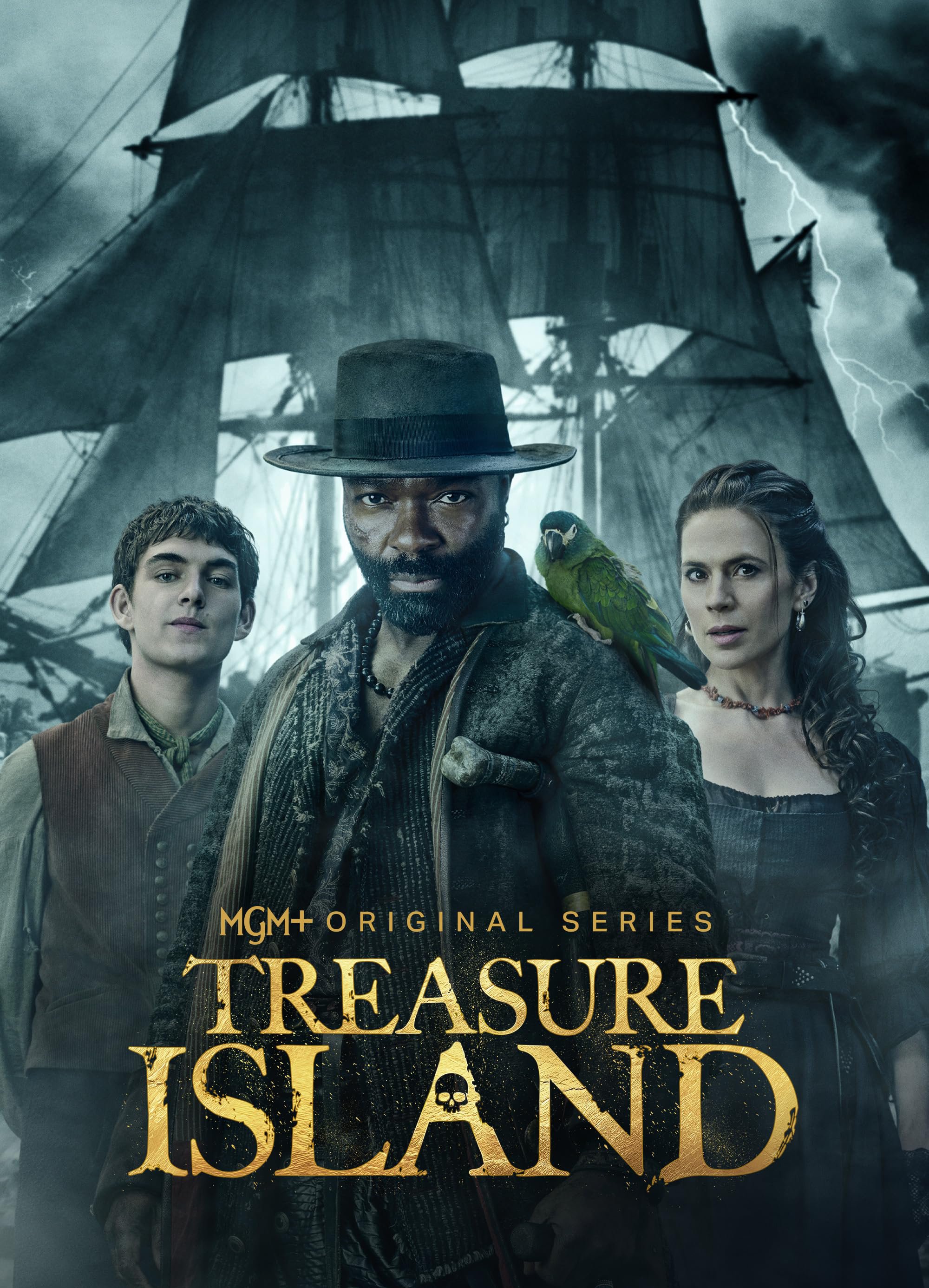
Atwell makes the most of the opportunity. Her Bess is resourceful, perceptive and pragmatic,a woman who understands that survival depends as much on reading people as on physical courage. Her interactions with Jim add another dimension to his coming-of-age journey.
Oyelowo, however, is the production’s main attraction. His Long John Silver is neither a straightforward villain nor a conventional swashbuckling rogue. Instead, he emerges as a formidable manipulator whose intelligence, ambition and capacity for leadership make him both dangerous and compelling. The actor lends the character an imposing presence, suggesting that Silver’s greatest weapon is his ability to understand and influence those around him.
The adaptation also attempts to broaden the historical and political context of the original story. Themes of subjugation and rebellion feature prominently, while the Haitian Revolution provides a wider backdrop to the pursuit of wealth. Silver’s Jamaican identity adds another layer to a narrative involving European treasure hunters operating in the Caribbean. These choices offer opportunities to examine the relationship between power, privilege and colonial exploitation.
The series is ambitious but disappointing in execution, pointing to thin characterisation and relationships that fail to develop sufficient emotional depth. The central mother-son bond, in particular, does not always provide the emotional anchor the expanded narrative requires.
The problem is not that the series departs from its source material; adaptations must be free to reinterpret familiar works. Rather, its additional themes and altered character dynamics sometimes seem more promising than their dramatic execution. The pursuit of treasure, which should provide the story with an irresistible sense of momentum, can become secondary to its efforts to give the material a contemporary edge.
There is, nevertheless, much to admire in the production. Oyelowo’s commanding performance, Atwell’s resourceful characterisation and the series’ atmospheric recreation of life aboard the Hispaniola. The ship’s cramped interiors, harsh sunlight and grimy surroundings help establish a convincing world of maritime danger. The visual treatment gives the adventure a physical texture that distinguishes it from more romanticised versions of pirate life.
Ultimately, this Treasure Island is caught between reverence for a literary classic and the desire to reshape it for modern audiences. Its strongest performances and thoughtful revisions suggest a worthwhile new perspective, but uneven character development prevents the drama from fully realising its potential.
The treasure remains alluring, and Oyelowo gives viewers a compelling reason to follow Silver’s fortunes. Yet, the journey itself needed greater narrative discipline and emotional investment to become the exhilarating adventure it promises.
Series: Treasure Island
Streaming on: Prime Video
Stars: 2
David Oyelowo and Hayley Atwell bring credibility to a darker reimagining of Robert Louis Stevenson’s classic, Treasure Island, but ambitious revisions derail the adventure.
Not many adventure stories have endured as long as Robert Louis...
Series: Treasure Island
Streaming on: Prime Video
Stars: 2
David Oyelowo and Hayley Atwell bring credibility to a darker reimagining of Robert Louis Stevenson’s classic, Treasure Island, but ambitious revisions derail the adventure.
Not many adventure stories have endured as long as Robert Louis Stevenson’s Treasure Island. Its map of buried riches, treacherous pirates and coming-of-age hero has inspired generations of readers as well as filmmakers. This latest television adaptation, Treasure Island, however, takes copious liberties with the familiar tale, delivering a grittier, more politically conscious drama that boasts a formidable cast. However, it struggles to make its reinvention consistently engaging.
The six-part series, created by Robert Murphy, centres on young Jim Hawkins (Tom Sweet) and his widowed mother, Bess (Hayley Atwell), who find themselves drawn into a dangerous quest after acquiring a map leading to Captain Flint’s treasure. Their journey aboard the Hispaniola brings them into conflict with Long John Silver (David Oyelowo), a charismatic sailor whose ambitions threaten to turn the expedition into a struggle for survival.
The most significant departure from Stevenson’s novel is the expanded role of Bess. Rather than remaining on shore while her son ventures into danger, she joins the voyage, introducing a more complex family dynamic and giving the story a perspective largely absent from traditional adaptations. Her presence also brings questions of gender, class and exploitation into this narrative that has been historically dominated by men.

Atwell makes the most of the opportunity. Her Bess is resourceful, perceptive and pragmatic,a woman who understands that survival depends as much on reading people as on physical courage. Her interactions with Jim add another dimension to his coming-of-age journey.
Oyelowo, however, is the production’s main attraction. His Long John Silver is neither a straightforward villain nor a conventional swashbuckling rogue. Instead, he emerges as a formidable manipulator whose intelligence, ambition and capacity for leadership make him both dangerous and compelling. The actor lends the character an imposing presence, suggesting that Silver’s greatest weapon is his ability to understand and influence those around him.
The adaptation also attempts to broaden the historical and political context of the original story. Themes of subjugation and rebellion feature prominently, while the Haitian Revolution provides a wider backdrop to the pursuit of wealth. Silver’s Jamaican identity adds another layer to a narrative involving European treasure hunters operating in the Caribbean. These choices offer opportunities to examine the relationship between power, privilege and colonial exploitation.
The series is ambitious but disappointing in execution, pointing to thin characterisation and relationships that fail to develop sufficient emotional depth. The central mother-son bond, in particular, does not always provide the emotional anchor the expanded narrative requires.
The problem is not that the series departs from its source material; adaptations must be free to reinterpret familiar works. Rather, its additional themes and altered character dynamics sometimes seem more promising than their dramatic execution. The pursuit of treasure, which should provide the story with an irresistible sense of momentum, can become secondary to its efforts to give the material a contemporary edge.
There is, nevertheless, much to admire in the production. Oyelowo’s commanding performance, Atwell’s resourceful characterisation and the series’ atmospheric recreation of life aboard the Hispaniola. The ship’s cramped interiors, harsh sunlight and grimy surroundings help establish a convincing world of maritime danger. The visual treatment gives the adventure a physical texture that distinguishes it from more romanticised versions of pirate life.
Ultimately, this Treasure Island is caught between reverence for a literary classic and the desire to reshape it for modern audiences. Its strongest performances and thoughtful revisions suggest a worthwhile new perspective, but uneven character development prevents the drama from fully realising its potential.
The treasure remains alluring, and Oyelowo gives viewers a compelling reason to follow Silver’s fortunes. Yet, the journey itself needed greater narrative discipline and emotional investment to become the exhilarating adventure it promises.


Leave a Comment