

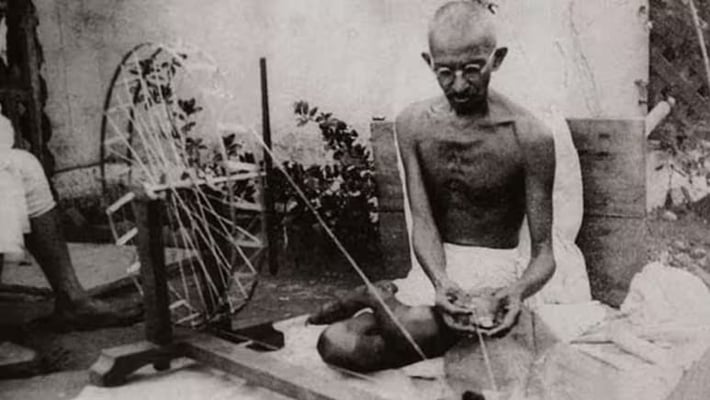

Mahatma Gandhi Jayanti: Why his message of non-violence still matters to the world
Every year on October 2, India observes Gandhi Jayanti, marking the birth anniversary of Mahatma Gandhi. But beyond India, the date carries a wider international significance: the United Nations observes October 2 as the International Day of Non-Violence, recognising Gandhi’s role in developing and advancing non-violent resistance as a force for social and political change.
Gandhi was born on October 2, 1869, in Porbandar, India. He became one of the central figures of India’s independence movement, but his influence eventually reached far beyond the struggle against British colonial rule. His approach was built around ideas of non-violence, truth, civil resistance and the belief that social change did not necessarily have to be achieved through physical force.
From a freedom struggle to a global idea
Gandhi’s politics developed through decades of activism, including his experiences in South Africa and later his leadership in India’s independence movement. He helped turn non-violent resistance into a mass political strategy, encouraging people to challenge unjust laws through protest, civil disobedience and non-cooperation.
One of the most recognised examples was the 1930 Salt March, when Gandhi and his followers travelled to the Arabian Sea to challenge the British salt laws. The United Nations identifies the Salt March as an important example of Gandhi’s strategy of mass civil disobedience.
The significance of such movements was not simply that they opposed a particular law. They demonstrated how ordinary people could participate in political action without relying on armed resistance. Non-violent resistance, as described by the United Nations, can include protest and persuasion, non-cooperation and non-violent intervention.
Why the world remembers Gandhi
Gandhi's legacy has become part of a much larger global conversation about civil rights, equality and peaceful social change. The United Nations notes that his ideas have inspired non-violent movements for civil rights and social change around the world.
His influence is often discussed alongside the work of other major figures associated with peaceful resistance and civil rights. The Permanent Mission of India to the United Nations has noted that Gandhian values have influenced movements worldwide, including those associated with Martin Luther King Jr. and Nelson Mandela.
That influence does not mean Gandhi's ideas are a simple answer to every modern conflict. The world today faces challenges that are very different from those of his time, including online hate, political polarisation, armed conflicts, inequality and environmental crises. Yet the underlying question remains familiar: how can societies respond to injustice without creating further cycles of violence?
Non-violence in a divided world
This is where Gandhi Jayanti can become more than a historical commemoration.
The United Nations' 2026 message for the International Day of Non-Violence highlights peace, dialogue, dignity and shared humanity while pointing to ongoing global divisions, inequality and conflict.
In an age when disagreements can spread instantly through social media, the idea of responding without hatred has relevance beyond political movements. It can apply to communities, workplaces, schools, families and online conversations.
Non-violence does not necessarily mean remaining silent or accepting injustice. The UN describes non-violent action as a way for people who reject passivity and submission to engage in conflict without physical violence.
That distinction is important. Peaceful action can still involve protest, disagreement and resistance. The difference lies in the methods used to pursue change.
Gandhi Jayanti beyond India
For Indians and the global Indian diaspora, Gandhi Jayanti is an opportunity to remember an important chapter of India's history. For international audiences, October 2 also offers a broader opportunity to reflect on how societies deal with disagreement, injustice and conflict.
In 2007, the United Nations General Assembly established October 2 as the International Day of Non-Violence, describing it as an occasion to spread the message of non-violence through education and public awareness. The resolution also affirmed the universal relevance of non-violence and the goal of building a culture of peace, tolerance and understanding.
More than a century after Gandhi's birth, the world continues to debate how meaningful change can be achieved without deepening division.
Perhaps that is why Gandhi Jayanti has evolved beyond a national anniversary. It is also a reminder of a question that belongs to everyone: when faced with conflict or injustice, can we seek change without becoming part of the violence we oppose?
On October 2, remembering Gandhi is therefore not only about looking back at history. It can also be an opportunity to consider how truth, dignity, dialogue and non-violent action might shape the way we respond to the challenges of the present.
Every year on October 2, India observes Gandhi Jayanti, marking the birth anniversary of Mahatma Gandhi. But beyond India, the date carries a wider international significance: the United Nations observes October 2 as the International Day of Non-Violence, recognising Gandhi’s role in developing and...
Every year on October 2, India observes Gandhi Jayanti, marking the birth anniversary of Mahatma Gandhi. But beyond India, the date carries a wider international significance: the United Nations observes October 2 as the International Day of Non-Violence, recognising Gandhi’s role in developing and advancing non-violent resistance as a force for social and political change.
Gandhi was born on October 2, 1869, in Porbandar, India. He became one of the central figures of India’s independence movement, but his influence eventually reached far beyond the struggle against British colonial rule. His approach was built around ideas of non-violence, truth, civil resistance and the belief that social change did not necessarily have to be achieved through physical force.
From a freedom struggle to a global idea
Gandhi’s politics developed through decades of activism, including his experiences in South Africa and later his leadership in India’s independence movement. He helped turn non-violent resistance into a mass political strategy, encouraging people to challenge unjust laws through protest, civil disobedience and non-cooperation.
One of the most recognised examples was the 1930 Salt March, when Gandhi and his followers travelled to the Arabian Sea to challenge the British salt laws. The United Nations identifies the Salt March as an important example of Gandhi’s strategy of mass civil disobedience.
The significance of such movements was not simply that they opposed a particular law. They demonstrated how ordinary people could participate in political action without relying on armed resistance. Non-violent resistance, as described by the United Nations, can include protest and persuasion, non-cooperation and non-violent intervention.
Why the world remembers Gandhi
Gandhi's legacy has become part of a much larger global conversation about civil rights, equality and peaceful social change. The United Nations notes that his ideas have inspired non-violent movements for civil rights and social change around the world.
His influence is often discussed alongside the work of other major figures associated with peaceful resistance and civil rights. The Permanent Mission of India to the United Nations has noted that Gandhian values have influenced movements worldwide, including those associated with Martin Luther King Jr. and Nelson Mandela.
That influence does not mean Gandhi's ideas are a simple answer to every modern conflict. The world today faces challenges that are very different from those of his time, including online hate, political polarisation, armed conflicts, inequality and environmental crises. Yet the underlying question remains familiar: how can societies respond to injustice without creating further cycles of violence?
Non-violence in a divided world
This is where Gandhi Jayanti can become more than a historical commemoration.
The United Nations' 2026 message for the International Day of Non-Violence highlights peace, dialogue, dignity and shared humanity while pointing to ongoing global divisions, inequality and conflict.
In an age when disagreements can spread instantly through social media, the idea of responding without hatred has relevance beyond political movements. It can apply to communities, workplaces, schools, families and online conversations.
Non-violence does not necessarily mean remaining silent or accepting injustice. The UN describes non-violent action as a way for people who reject passivity and submission to engage in conflict without physical violence.
That distinction is important. Peaceful action can still involve protest, disagreement and resistance. The difference lies in the methods used to pursue change.
Gandhi Jayanti beyond India
For Indians and the global Indian diaspora, Gandhi Jayanti is an opportunity to remember an important chapter of India's history. For international audiences, October 2 also offers a broader opportunity to reflect on how societies deal with disagreement, injustice and conflict.
In 2007, the United Nations General Assembly established October 2 as the International Day of Non-Violence, describing it as an occasion to spread the message of non-violence through education and public awareness. The resolution also affirmed the universal relevance of non-violence and the goal of building a culture of peace, tolerance and understanding.
More than a century after Gandhi's birth, the world continues to debate how meaningful change can be achieved without deepening division.
Perhaps that is why Gandhi Jayanti has evolved beyond a national anniversary. It is also a reminder of a question that belongs to everyone: when faced with conflict or injustice, can we seek change without becoming part of the violence we oppose?
On October 2, remembering Gandhi is therefore not only about looking back at history. It can also be an opportunity to consider how truth, dignity, dialogue and non-violent action might shape the way we respond to the challenges of the present.





Leave a Comment