






ISSUE

Friday, October 23, 2026
Volume 17 . Issue 42

By reimagining how we move, electric mobility is transforming transportation from a source of pollution into an opportunity for sustainable innovation.
Imagine a city where traffic moves quietly, the air feels cleaner, and vehicles travel without burning a single drop of petrol. This is not merely a vision of a distant future; it is the promise of the electric mobility revolution.
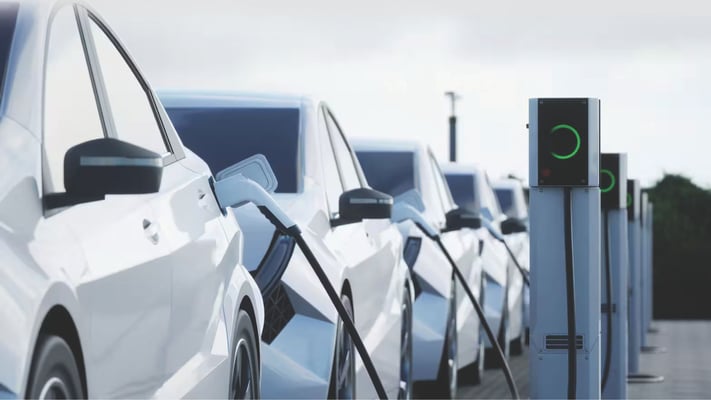
Electric vehicles (EVs) are changing the way the world thinks about transportation. Powered by electricity rather than conventional fuels, they are emerging as an important alternative to petrol and diesel vehicles. From electric scooters navigating crowded streets to buses carrying thousands of commuters, electrification is reshaping mobility one journey at a time.
More Than Just A Change of Engine
The electric mobility revolution is not simply about replacing fuel tanks with batteries. It represents a transformation in technology, energy consumption, and urban living. Advances in battery design are improving vehicle range, while smart charging systems and digital connectivity are making electric transport increasingly practical. Innovations such as battery swapping and vehicle-to-grid technology could further reshape how vehicles interact with energy networks.
For India, this transition carries particular significance. Electric two-wheelers, three-wheelers, buses, and cars offer opportunities to reduce dependence on imported fossil fuels, encourage domestic manufacturing, and support new technology-driven businesses. As cities grow, electric mobility could also help reduce roadside pollution.
The Roadblocks On The Road Ahead
However, every revolution has its challenges. High initial purchase prices, limited charging access in some areas, battery performance concerns, and charging time can discourage potential buyers. Battery production also requires minerals and energy, while discarded batteries create environmental and safety concerns if they are not handled responsibly.
These challenges remind us that an electric vehicle is only as sustainable as the system supporting it. Cleaner electricity, accessible charging infrastructure, responsible mineral sourcing, and effective battery recycling must develop alongside vehicle production.
Innovation Must Go The Distance
The future of electric mobility depends on collaboration among governments, researchers, manufacturers, energy providers, and consumers. Investment in renewable energy, affordable batteries, reliable public charging, and battery-recycling technologies can make the transition more practical and environmentally responsible.
Consumers, too, have a role to play by evaluating their travel needs, exploring suitable electric alternatives, and supporting responsible disposal and recycling practices.
A Revolution In Motion
The electric mobility revolution is ultimately about more than vehicles. It is about rethinking our relationship with energy, technology, and the environment. Progress should not be measured only by how many electric vehicles reach the road, but also by how cleanly they are manufactured, powered, and recycled.
The journey towards sustainable transportation has begun, but its destination depends on the choices we make today. The question is no longer simply whether mobility will become electric, but whether we can make that transformation accessible, responsible, and truly sustainable.
By reimagining how we move, electric mobility is transforming transportation from a source of pollution into an opportunity for sustainable innovation.
Imagine a city where traffic moves quietly, the air feels cleaner, and vehicles travel without burning a single drop of petrol. This is not merely...
By reimagining how we move, electric mobility is transforming transportation from a source of pollution into an opportunity for sustainable innovation.
Imagine a city where traffic moves quietly, the air feels cleaner, and vehicles travel without burning a single drop of petrol. This is not merely a vision of a distant future; it is the promise of the electric mobility revolution.
Electric vehicles (EVs) are changing the way the world thinks about transportation. Powered by electricity rather than conventional fuels, they are emerging as an important alternative to petrol and diesel vehicles. From electric scooters navigating crowded streets to buses carrying thousands of commuters, electrification is reshaping mobility one journey at a time.
More Than Just A Change of Engine
The electric mobility revolution is not simply about replacing fuel tanks with batteries. It represents a transformation in technology, energy consumption, and urban living. Advances in battery design are improving vehicle range, while smart charging systems and digital connectivity are making electric transport increasingly practical. Innovations such as battery swapping and vehicle-to-grid technology could further reshape how vehicles interact with energy networks.
For India, this transition carries particular significance. Electric two-wheelers, three-wheelers, buses, and cars offer opportunities to reduce dependence on imported fossil fuels, encourage domestic manufacturing, and support new technology-driven businesses. As cities grow, electric mobility could also help reduce roadside pollution.
The Roadblocks On The Road Ahead
However, every revolution has its challenges. High initial purchase prices, limited charging access in some areas, battery performance concerns, and charging time can discourage potential buyers. Battery production also requires minerals and energy, while discarded batteries create environmental and safety concerns if they are not handled responsibly.
These challenges remind us that an electric vehicle is only as sustainable as the system supporting it. Cleaner electricity, accessible charging infrastructure, responsible mineral sourcing, and effective battery recycling must develop alongside vehicle production.
Innovation Must Go The Distance
The future of electric mobility depends on collaboration among governments, researchers, manufacturers, energy providers, and consumers. Investment in renewable energy, affordable batteries, reliable public charging, and battery-recycling technologies can make the transition more practical and environmentally responsible.
Consumers, too, have a role to play by evaluating their travel needs, exploring suitable electric alternatives, and supporting responsible disposal and recycling practices.
A Revolution In Motion
The electric mobility revolution is ultimately about more than vehicles. It is about rethinking our relationship with energy, technology, and the environment. Progress should not be measured only by how many electric vehicles reach the road, but also by how cleanly they are manufactured, powered, and recycled.
The journey towards sustainable transportation has begun, but its destination depends on the choices we make today. The question is no longer simply whether mobility will become electric, but whether we can make that transformation accessible, responsible, and truly sustainable.
Leave a Comment