




Filling the shelves between the bookends



For years, New Zealand and India have been described as the two bookends of Asia.
It is a lovely image. One country sits at one end of the Indo-Pacific, the other at the far end. Between them lies half the world’s population, some of its oldest civilisations and its fastest-growing economies.
Bookends, however, are only there to hold books. For much of our shared history, the shelves between New Zealand and India have looked a little sparse.
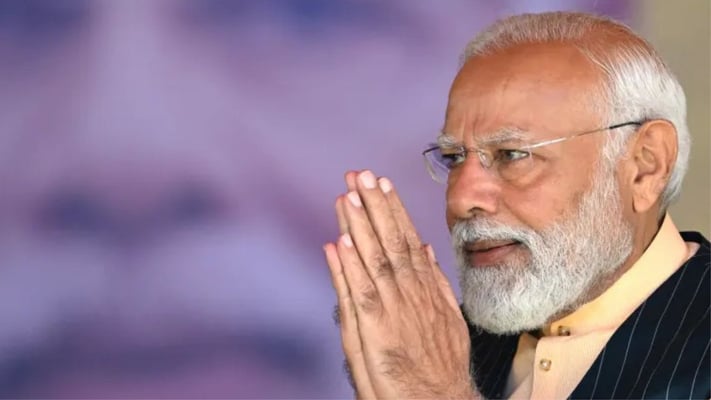
Prime Minister Narendra Modi’s visit this week feels like a good moment to start filling them.
Not only with treaties and communiqués, although they have their place, but with the stories that make relationships endure. Every friendship between nations is built from hundreds of these stories. Some are serious, some surprising and some delightfully quirky.
One of the earliest belongs to a young Indian engineer named Verghese Kurien.
Long before he became the architect of India’s White Revolution and the driving force behind Amul, Kurien came to New Zealand under the Colombo Plan. Here he encountered one of the world’s most successful dairy cooperative systems and absorbed lessons in dairy engineering, processing and farmer ownership. He returned home not to reproduce the New Zealand model, but to adapt its strengths to Indian conditions. The result transformed rural India and helped make India the world’s largest milk producer.
There is a delicious irony in all this. One of the intellectual threads linking New Zealand and India is dairy, yet dairy is the one subject carefully left off the menu in the recently concluded Free Trade Agreement. History, it seems, occasionally has a sense of humour.
Another story begins much earlier, in a small Taranaki settlement called Parihaka.
The peaceful resistance led by Te Whiti o Rongomai and Tohu Kākahi remains one of the most remarkable chapters in New Zealand history. Whether Mahatma Gandhi knew of Parihaka and drew inspiration from it continues to divide historians. There is evidence suggesting he may have, but nothing conclusive.
That uncertainty may be no bad thing. It has all the makings of a friendly new tug of war. Australia and New Zealand still have not settled the Pavlova question. Perhaps New Zealand and India can spend the next century arguing cheerfully over whether Gandhi borrowed an idea from Parihaka.
Whatever the answer, both stories remind us that remarkable ideas have travelled between our countries for much longer than we sometimes realise.
Many more are being written today.
Scientists collaborate on food innovation and climate research. Universities exchange students and researchers. Technology companies are finding partners in each other’s markets. Cricket continues to produce equal measures of heartbreak and delight, depending on which side of the scoreboard you happen to be standing.
Then there are the more than 300,000 New Zealanders of Indian heritage who have quietly become one of the strongest chapters in this growing collection. They do not have to choose between two countries. Every day they add another paragraph to the story of both.
None of this happened overnight.
Long before governments announced trade agreements, countless people were building relationships the slow way. Business leaders organised trade missions. Academics established research partnerships. Sportspeople created friendships. Community organisations strengthened cultural ties. Journalists told each other’s stories. Families built lives across oceans. Students crossed borders and came home carrying new ways of seeing the world.
The relationship now feels increasingly natural rather than aspirational.
There are plenty more books waiting to be written.
New Zealand’s expertise in food, agritech, education, renewable energy and healthcare sits comfortably alongside India’s scale, innovation and entrepreneurial energy. Each has something the other values. Neither needs the other to become a version of itself.
Perhaps that is the real promise of this relationship.
The bookends have stood patiently for generations. Perhaps the time has finally come to give them a library worth holding.
--
Dev Nadkarni is the founding editor of Indian Weekender and has been a contributor to the New Zealand Herald
For years, New Zealand and India have been described as the two bookends of Asia.
It is a lovely image. One country sits at one end of the Indo-Pacific, the other at the far end. Between them lies half the world’s population, some of its oldest civilisations and its fastest-growing economies.
...
For years, New Zealand and India have been described as the two bookends of Asia.
It is a lovely image. One country sits at one end of the Indo-Pacific, the other at the far end. Between them lies half the world’s population, some of its oldest civilisations and its fastest-growing economies.
Bookends, however, are only there to hold books. For much of our shared history, the shelves between New Zealand and India have looked a little sparse.
Prime Minister Narendra Modi’s visit this week feels like a good moment to start filling them.
Not only with treaties and communiqués, although they have their place, but with the stories that make relationships endure. Every friendship between nations is built from hundreds of these stories. Some are serious, some surprising and some delightfully quirky.
One of the earliest belongs to a young Indian engineer named Verghese Kurien.
Long before he became the architect of India’s White Revolution and the driving force behind Amul, Kurien came to New Zealand under the Colombo Plan. Here he encountered one of the world’s most successful dairy cooperative systems and absorbed lessons in dairy engineering, processing and farmer ownership. He returned home not to reproduce the New Zealand model, but to adapt its strengths to Indian conditions. The result transformed rural India and helped make India the world’s largest milk producer.
There is a delicious irony in all this. One of the intellectual threads linking New Zealand and India is dairy, yet dairy is the one subject carefully left off the menu in the recently concluded Free Trade Agreement. History, it seems, occasionally has a sense of humour.
Another story begins much earlier, in a small Taranaki settlement called Parihaka.
The peaceful resistance led by Te Whiti o Rongomai and Tohu Kākahi remains one of the most remarkable chapters in New Zealand history. Whether Mahatma Gandhi knew of Parihaka and drew inspiration from it continues to divide historians. There is evidence suggesting he may have, but nothing conclusive.
That uncertainty may be no bad thing. It has all the makings of a friendly new tug of war. Australia and New Zealand still have not settled the Pavlova question. Perhaps New Zealand and India can spend the next century arguing cheerfully over whether Gandhi borrowed an idea from Parihaka.
Whatever the answer, both stories remind us that remarkable ideas have travelled between our countries for much longer than we sometimes realise.
Many more are being written today.
Scientists collaborate on food innovation and climate research. Universities exchange students and researchers. Technology companies are finding partners in each other’s markets. Cricket continues to produce equal measures of heartbreak and delight, depending on which side of the scoreboard you happen to be standing.
Then there are the more than 300,000 New Zealanders of Indian heritage who have quietly become one of the strongest chapters in this growing collection. They do not have to choose between two countries. Every day they add another paragraph to the story of both.
None of this happened overnight.
Long before governments announced trade agreements, countless people were building relationships the slow way. Business leaders organised trade missions. Academics established research partnerships. Sportspeople created friendships. Community organisations strengthened cultural ties. Journalists told each other’s stories. Families built lives across oceans. Students crossed borders and came home carrying new ways of seeing the world.
The relationship now feels increasingly natural rather than aspirational.
There are plenty more books waiting to be written.
New Zealand’s expertise in food, agritech, education, renewable energy and healthcare sits comfortably alongside India’s scale, innovation and entrepreneurial energy. Each has something the other values. Neither needs the other to become a version of itself.
Perhaps that is the real promise of this relationship.
The bookends have stood patiently for generations. Perhaps the time has finally come to give them a library worth holding.
--
Dev Nadkarni is the founding editor of Indian Weekender and has been a contributor to the New Zealand Herald



Related Posts
ISSUE


Leave a Comment