

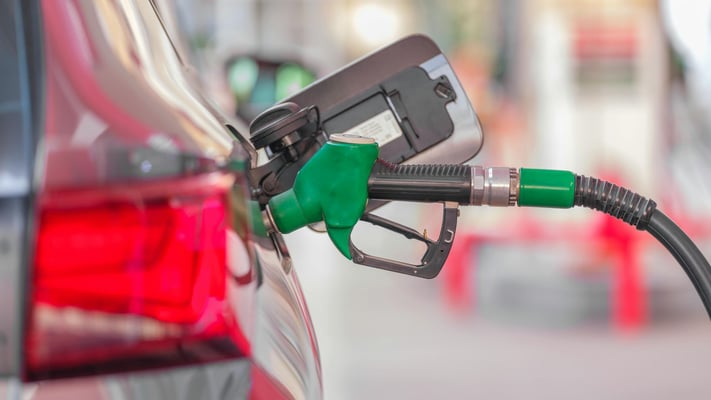

Fuel rationing, remote work possible if oil crisis drags on
New Zealand is facing growing pressure on its fuel supplies as the ongoing conflict involving Iran disrupts global oil markets and threatens key shipping routes.
Recent data from the Ministry of Business, Innovation and Employment (MBIE), updated four days ago, shows the country had a 58-day supply of petrol, 50 days of diesel and 47 days of jet fuel at that time, leaving about 43 days of jet fuel remaining as of today.
More shipments are currently on their way to New Zealand, but economists warn the country could be running low by the time they arrive. Westpac chief economist Kelly Eckhold said stocks could fall sharply before the next deliveries reach shore, Damien Venuto of Stuff has reported.
He said the ships are already within New Zealand’s Exclusive Economic Zone, providing confidence they will arrive safely. However, when asked about their precise location, an MBIE spokesperson declined to provide details, saying the information was “commercially sensitive.”
Fuel companies have also been reluctant to comment on rising prices. MBIE said the companies had not reported any major disruptions to fuel supplies currently in transit to New Zealand.
Despite that, signs of strain are already emerging. Petrol prices have begun rising, and Air New Zealand has cut some flights as jet fuel costs surge, as reported by Stuff.
For the national carrier, the move is aimed at reducing costs and managing supply as jet fuel prices have nearly doubled. It also helps ration available fuel to ensure planes can continue operating.
Eckhold said the reduction in flights will likely push up ticket prices as the number of available seats declines. He warned the ripple effects could reach far beyond the aviation industry.
Higher travel costs and reduced connectivity could slow economic activity, affecting GDP growth and placing pressure on businesses that rely on air transport.
Air New Zealand is the first major organisation in the country to respond directly to the crisis, but economists say other sectors may soon face similar pressures.
The situation intensified after overnight attacks on oil tankers in the Strait of Hormuz and damage to a key refuelling port in the region, developments that have further strained global supply.
In response, the International Energy Agency authorised the release of 400 million barrels of emergency oil reserves, the largest such release in its history.
However, analysts say the figure needs to be viewed in context.
Mark Smith, a senior economist at ASB, says that 400 million barrels of oil might only account for around 20 days of the normal oil flow transported through the Strait of Hormuz.
This is enough to feed global demand for approximately 3.8 days.
The limited scale of the reserve release has contributed to anxiety in global markets, with some countries already taking steps to conserve fuel.
Eckhold says China and Thailand have both banned the export of petroleum, while South Korea is reducing exports to ensure it has enough supply for its own industries. South Korea is also a key exporter of petroleum products to New Zealand, meaning any reduction in exports could affect local supply.
He said the New Zealand Government has already established a committee to monitor the crisis and consider possible responses.
If the conflict continues, officials may need to introduce measures to slow fuel consumption and ensure essential sectors continue operating.
"I would expect that if it really got that bad, they would have some sort of prioritisation scheme in place to be able to keep things going," says Eckhold, Stuff has quoted.
Agriculture and transport are among the sectors that use the most fuel and are considered vital to keeping the economy functioning. Any government response would likely aim to protect these industries if supplies become constrained.
"If things don't resolve in a month or six weeks, [rationing/prioritisation] would strike me as a decent probability," says Eckhold, as quoted by Stuff.
US President Donald Trump has repeatedly suggested the war will end soon, but he has given no specific timeline or explanation for why he expects that outcome.
If the conflict drags on, everyday motorists could bear much of the impact. Eckhold said the Government may encourage people to work from home to reduce fuel consumption.
He also suggested diesel supplies could be prioritised for sectors such as construction and agriculture, while protecting supply chains so essential goods can continue reaching supermarkets, as reported by Stuff.
For now, officials are monitoring the situation closely. The coming weeks may determine whether contingency plans remain precautionary or become necessary measures in an economy that depends heavily on the free movement of goods and people.
New Zealand is facing growing pressure on its fuel supplies as the ongoing conflict involving Iran disrupts global oil markets and threatens key shipping routes.
{% module_block module "widget_c4a1de16-f7a0-4981-a9d9-36a95abaa32e" %}{% module_attribute "ads" is_json="true" %}{% raw...New Zealand is facing growing pressure on its fuel supplies as the ongoing conflict involving Iran disrupts global oil markets and threatens key shipping routes.
Recent data from the Ministry of Business, Innovation and Employment (MBIE), updated four days ago, shows the country had a 58-day supply of petrol, 50 days of diesel and 47 days of jet fuel at that time, leaving about 43 days of jet fuel remaining as of today.
More shipments are currently on their way to New Zealand, but economists warn the country could be running low by the time they arrive. Westpac chief economist Kelly Eckhold said stocks could fall sharply before the next deliveries reach shore, Damien Venuto of Stuff has reported.
He said the ships are already within New Zealand’s Exclusive Economic Zone, providing confidence they will arrive safely. However, when asked about their precise location, an MBIE spokesperson declined to provide details, saying the information was “commercially sensitive.”
Fuel companies have also been reluctant to comment on rising prices. MBIE said the companies had not reported any major disruptions to fuel supplies currently in transit to New Zealand.
Despite that, signs of strain are already emerging. Petrol prices have begun rising, and Air New Zealand has cut some flights as jet fuel costs surge, as reported by Stuff.
For the national carrier, the move is aimed at reducing costs and managing supply as jet fuel prices have nearly doubled. It also helps ration available fuel to ensure planes can continue operating.
Eckhold said the reduction in flights will likely push up ticket prices as the number of available seats declines. He warned the ripple effects could reach far beyond the aviation industry.
Higher travel costs and reduced connectivity could slow economic activity, affecting GDP growth and placing pressure on businesses that rely on air transport.
Air New Zealand is the first major organisation in the country to respond directly to the crisis, but economists say other sectors may soon face similar pressures.
The situation intensified after overnight attacks on oil tankers in the Strait of Hormuz and damage to a key refuelling port in the region, developments that have further strained global supply.
In response, the International Energy Agency authorised the release of 400 million barrels of emergency oil reserves, the largest such release in its history.
However, analysts say the figure needs to be viewed in context.
Mark Smith, a senior economist at ASB, says that 400 million barrels of oil might only account for around 20 days of the normal oil flow transported through the Strait of Hormuz.
This is enough to feed global demand for approximately 3.8 days.
The limited scale of the reserve release has contributed to anxiety in global markets, with some countries already taking steps to conserve fuel.
Eckhold says China and Thailand have both banned the export of petroleum, while South Korea is reducing exports to ensure it has enough supply for its own industries. South Korea is also a key exporter of petroleum products to New Zealand, meaning any reduction in exports could affect local supply.
He said the New Zealand Government has already established a committee to monitor the crisis and consider possible responses.
If the conflict continues, officials may need to introduce measures to slow fuel consumption and ensure essential sectors continue operating.
"I would expect that if it really got that bad, they would have some sort of prioritisation scheme in place to be able to keep things going," says Eckhold, Stuff has quoted.
Agriculture and transport are among the sectors that use the most fuel and are considered vital to keeping the economy functioning. Any government response would likely aim to protect these industries if supplies become constrained.
"If things don't resolve in a month or six weeks, [rationing/prioritisation] would strike me as a decent probability," says Eckhold, as quoted by Stuff.
US President Donald Trump has repeatedly suggested the war will end soon, but he has given no specific timeline or explanation for why he expects that outcome.
If the conflict drags on, everyday motorists could bear much of the impact. Eckhold said the Government may encourage people to work from home to reduce fuel consumption.
He also suggested diesel supplies could be prioritised for sectors such as construction and agriculture, while protecting supply chains so essential goods can continue reaching supermarkets, as reported by Stuff.
For now, officials are monitoring the situation closely. The coming weeks may determine whether contingency plans remain precautionary or become necessary measures in an economy that depends heavily on the free movement of goods and people.




Leave a Comment