

Drive or buy alcohol without a physical ID soon- here’s what you need to know
Carrying a physical driver’s licence or photo ID could soon become a thing of the past, as the Government prepares to roll out new digital identification features through its Govt.nz app.
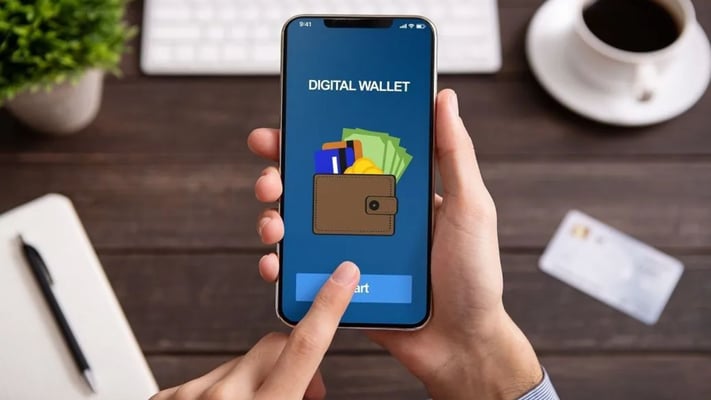
According to a report by Sam Smith of Stuff, from the end of March, users will be able to access a digital wallet within the app, allowing them to store and use digital driver’s licences and other forms of ID. The change is part of a broader push to modernise public services and make identity verification more convenient.
At present, people are required by law to carry a physical licence while driving and present a physical ID when purchasing alcohol. However, proposed legislative updates would allow digital credentials to be accepted in these situations, including at bars, supermarkets, and police checkpoints, as reported by Stuff.
The new features were announced by Digitising Government and Public Service Minister Judith Collins, who said the app will make it easier for people to interact with government services.
Collins said the app will now provide users with easy access to government digital services, such as communications and proof of digital identity. “By the end of this month, users will be able to see their digital wallet in the app. This will allow people to store and present accredited digital credentials issued by the government or the private sector,” as quoted by Stuff.
A new Government Issuance Platform will also go live, enabling agencies to issue digital credentials directly to users’ wallets. Collins said this “all-of-government solution” will help to “reduce duplication” and ensure “better value for money”, Stuff has quoted.
Meanwhile, Hospitality New Zealand is working with the Department of Internal Affairs to make the Kiwi Access Card one of the first credentials available digitally, pending changes to the Sale and Supply of Alcohol Act.
“This digital credential could be used by customers to present their Kiwi Access Card on their phone at a bar or event entrance, so staff can confirm age eligibility quickly and securely without handling a physical card,” Collins said, Stuff has quoted.
She added that as legislation is updated, digital IDs will carry the same legal weight as physical ones across a range of uses, including alcohol sales, vehicle rentals, anti-money laundering checks, and identity verification. Once changes are in place, people will be able to rely on digital ID for both driving and purchasing alcohol, as reported by Stuff.
Additional features are also in development, including secure messaging expected by July 2026, which will allow users to receive updates such as registration reminders and travel advisories directly from government agencies, as reported by Stuff.
The Govt.nz app, launched in December last year, is designed to offer a secure and convenient way to access government services via mobile devices. Collins noted that using the app will remain optional, with existing methods still available.
Carrying a physical driver’s licence or photo ID could soon become a thing of the past, as the Government prepares to roll out new digital identification features through its Govt.nz app.
{% module_block module "widget_7717b0af-9d38-464a-a197-12882d3d6af4" %}{% module_attribute "ads" is_json="true"...Carrying a physical driver’s licence or photo ID could soon become a thing of the past, as the Government prepares to roll out new digital identification features through its Govt.nz app.
According to a report by Sam Smith of Stuff, from the end of March, users will be able to access a digital wallet within the app, allowing them to store and use digital driver’s licences and other forms of ID. The change is part of a broader push to modernise public services and make identity verification more convenient.
At present, people are required by law to carry a physical licence while driving and present a physical ID when purchasing alcohol. However, proposed legislative updates would allow digital credentials to be accepted in these situations, including at bars, supermarkets, and police checkpoints, as reported by Stuff.
The new features were announced by Digitising Government and Public Service Minister Judith Collins, who said the app will make it easier for people to interact with government services.
Collins said the app will now provide users with easy access to government digital services, such as communications and proof of digital identity. “By the end of this month, users will be able to see their digital wallet in the app. This will allow people to store and present accredited digital credentials issued by the government or the private sector,” as quoted by Stuff.
A new Government Issuance Platform will also go live, enabling agencies to issue digital credentials directly to users’ wallets. Collins said this “all-of-government solution” will help to “reduce duplication” and ensure “better value for money”, Stuff has quoted.
Meanwhile, Hospitality New Zealand is working with the Department of Internal Affairs to make the Kiwi Access Card one of the first credentials available digitally, pending changes to the Sale and Supply of Alcohol Act.
“This digital credential could be used by customers to present their Kiwi Access Card on their phone at a bar or event entrance, so staff can confirm age eligibility quickly and securely without handling a physical card,” Collins said, Stuff has quoted.
She added that as legislation is updated, digital IDs will carry the same legal weight as physical ones across a range of uses, including alcohol sales, vehicle rentals, anti-money laundering checks, and identity verification. Once changes are in place, people will be able to rely on digital ID for both driving and purchasing alcohol, as reported by Stuff.
Additional features are also in development, including secure messaging expected by July 2026, which will allow users to receive updates such as registration reminders and travel advisories directly from government agencies, as reported by Stuff.
The Govt.nz app, launched in December last year, is designed to offer a secure and convenient way to access government services via mobile devices. Collins noted that using the app will remain optional, with existing methods still available.




Leave a Comment