

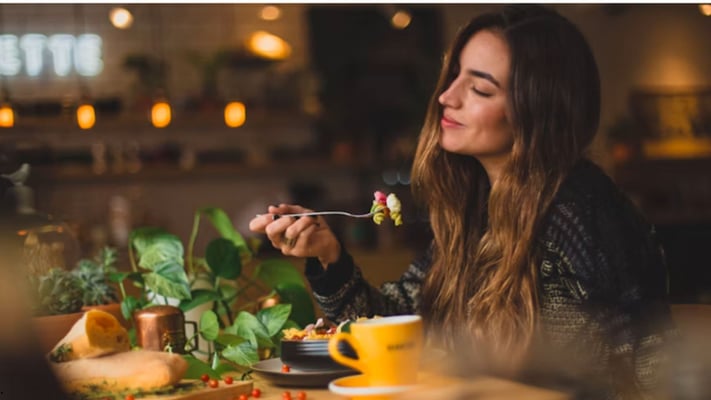

Why solo dining is becoming the world's hottest food trend
Solo dining has traditionally been socially awkward and hard to enjoy. The awkward glances from the staff, the hostess's envious expression, the shameful seating in booths for six, and the waiter's incredulous look all made solo dining challenging and uncomfortable.
However, attitudes toward solo diners have started to shift globally. Solo diners can now embrace the experience and focus on their meals, enjoying the opportunity to be present.
A Paris bistro owner observed, "Solo diners no longer feel uncomfortable dining alone; in fact, it has become a popular dining trend in restaurants worldwide."
Japan has long had a tradition of solo dining. For decades, Ichiran—a famous ramen chain—has built booths for diners to enjoy ramen undisturbed by couples. Today, single diners can eat at their own pace. They no longer have to negotiate who gets the last spring roll.
European restaurants have quickly welcomed solo diners. In Paris, Milan, and Copenhagen, there has reportedly been a sharp increase in solo guests at fine-dining spots over the last two years.
Restaurateurs are now redesigning bar-style seating so diners can see the chef preparing food. This gives solo diners the appearance of enjoying a special experience, not just dining alone after being stood up.
In urban India, there is a slow but steady rise in young professionals dining alone and enjoying their meals without needing conversation.
Restaurants also see money in solo diners. These guests often order more courses and spend more time enjoying dessert. Since they dine alone, they do not share dessert or decide together how to finish it.
Happy with their experience, solo diners may tip higher than average. Because of this, many places now offer 'dining for one' menus or smaller versions at a higher price. This lets diners customize their meal without leaving overstuffed.
Technology could also boost solo dining. The smartphone, often seen as a social threat, is a boon for those eating alone. Solo diners can read online, watch videos, or simply contemplate in peace. No one judges their actions, and waiters find them less awkward than groups.
If you’ve been waiting for a friend to join you at that restaurant—stop waiting. Reserve your table for one, order what you like, and savor every course. Toast to yourself.
You’re your best dining companion—sometimes all you need is a breadstick and a quiet table to prove it.
Solo dining has traditionally been socially awkward and hard to enjoy. The awkward glances from the staff, the hostess's envious expression, the shameful seating in booths for six, and the waiter's incredulous look all made solo dining challenging and uncomfortable.
However, attitudes toward solo...
Solo dining has traditionally been socially awkward and hard to enjoy. The awkward glances from the staff, the hostess's envious expression, the shameful seating in booths for six, and the waiter's incredulous look all made solo dining challenging and uncomfortable.
However, attitudes toward solo diners have started to shift globally. Solo diners can now embrace the experience and focus on their meals, enjoying the opportunity to be present.
A Paris bistro owner observed, "Solo diners no longer feel uncomfortable dining alone; in fact, it has become a popular dining trend in restaurants worldwide."
Japan has long had a tradition of solo dining. For decades, Ichiran—a famous ramen chain—has built booths for diners to enjoy ramen undisturbed by couples. Today, single diners can eat at their own pace. They no longer have to negotiate who gets the last spring roll.
European restaurants have quickly welcomed solo diners. In Paris, Milan, and Copenhagen, there has reportedly been a sharp increase in solo guests at fine-dining spots over the last two years.
Restaurateurs are now redesigning bar-style seating so diners can see the chef preparing food. This gives solo diners the appearance of enjoying a special experience, not just dining alone after being stood up.
In urban India, there is a slow but steady rise in young professionals dining alone and enjoying their meals without needing conversation.
Restaurants also see money in solo diners. These guests often order more courses and spend more time enjoying dessert. Since they dine alone, they do not share dessert or decide together how to finish it.
Happy with their experience, solo diners may tip higher than average. Because of this, many places now offer 'dining for one' menus or smaller versions at a higher price. This lets diners customize their meal without leaving overstuffed.
Technology could also boost solo dining. The smartphone, often seen as a social threat, is a boon for those eating alone. Solo diners can read online, watch videos, or simply contemplate in peace. No one judges their actions, and waiters find them less awkward than groups.
If you’ve been waiting for a friend to join you at that restaurant—stop waiting. Reserve your table for one, order what you like, and savor every course. Toast to yourself.
You’re your best dining companion—sometimes all you need is a breadstick and a quiet table to prove it.


Leave a Comment