




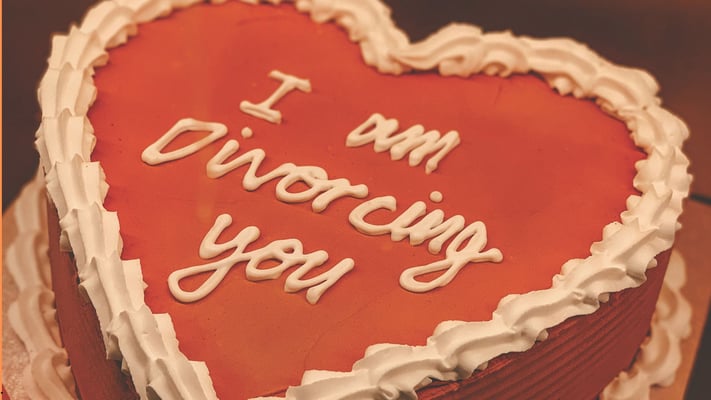



For years now, divorce has been perceived as being the end of the line for almost all relationships. The topic of divorce has been avoided by entire families, while communities have placed a stigma on it, and people, specifically women, have been made to feel that they have a duty to adjust to make the marriage successful at all costs. However, Gen Z is reversing this train of thought by stating that if a marriage is harmful to your emotional health, it is not worth remaining in strictly for the sake of appearances.
This generation does not oppose marriage; rather, they oppose being miserable because of it. As society evolves in urban areas across the globe, younger generations are changing the conversation about divorce away from blame and being right, and more towards achieving balance.

The increase in "no-fault" divorce, whereby couples can divorce without ever proving cruelty, and/or no misconduct on either party's part, is representative of this shift in our culture. For Gen Z, the basis of a successful relationship is emotional compatibility, mutual respect, open communication and personal growth. When any of these components of a relationship fall apart, divorcing is more of an admission that the relationship no longer works, rather than an embarrassing event.
This shift in philosophy is demonstrated through both the statistics and the belief systems of younger generations today. For example, India's divorce rate is still relatively low at approximately 11/4% but in the major cities of India, there has been a steady growth of mutually agreed-upon divorce among educated, professional younger individuals.
Furthermore, the acceptance of divorce amongst younger generations has grown significantly over the last 20 years across the globe. Surveys in places like the United States and Europe indicate that younger people are less likely to think divorce is immoral than their parents or grandparents.
Social media has played a large role in fostering this mentality shift. Gen Z youngsters are both consuming and creating content that focuses on subjects such as therapy, healing, boundaries and emotional well-being.
Divorce stories today are told through the lens of new beginnings, rather than humiliation. Influencers are creating content regarding things such as co-parenting, post-divorce doing well and rebuilding themselves after separation. The vernacular has also changed—from a “broken marriage” to come see me at my new location.
In many ways, Gen Z is challenging the long-held belief that staying together for an extended period of time is an indication of success.
They are questioning whether longevity of a relationship holds more value than having a safe, and healthy emotional environment. While staying in an emotionally abusive marriage for years may work out well for society, it may not work out well for those involved.
While some say that today's generation is becoming too self-centred and unwilling to compromise, there is some credence to the thought that generations before today normalised emotional neglect, incompatibilities and even abuse all in the name of family honour.
This is a significant change in the way society is viewing divorce today as being a negative thing. Gen Z is voicing the opinion that no one should be miserable just for the sake of keeping up appearances.
Marriage is no longer regarded as something you stay in for your entire life; marriage is increasingly being regarded as a relationship built on creating mutual well-being.
Divorce is now being redefined—not as an indication of failure, but as an indication that one is willing to be authentic as opposed to pretending that they are happy. While the culture is slow to come to terms with this change, there is little doubt that we are witnessing a tremendous shift in how society is perceiving divorce.


ISSUE

Leave a Comment