


School’s citrus drink ban sparks debate over allergy safety
A primary school in Whanganui has urged parents to avoid packing citrus drinks in lunch boxes after discovering a potentially dangerous item on school grounds, highlighting the challenges of managing severe allergies in shared environments.
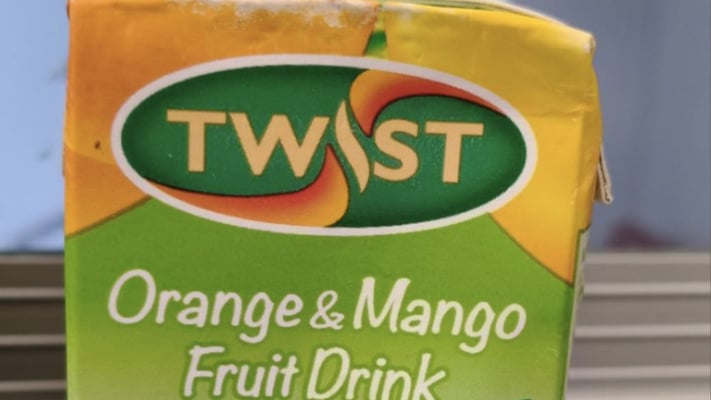
According to a report by Amy Ridout of Stuff, Keith Street School issued the request after staff found a half-empty carton of orange and mango juice on March 12. The discovery raised immediate concern due to a student at the school who has a life-threatening allergy to citrus fruits and pineapple.
In a Facebook post later that day, the school warned:
“We have a student with a life-threatening allergy to all citrus and pineapple who will end up in an ambulance to the hospital if she even comes close to this juice or the empty box.
“Please, please, please do not send these drinks to school with your tamariki, and please let your children know also. Thank you.”
The appeal quickly gained attention online, sparking widespread discussion beyond the school community. While some questioned the practicality of such restrictions, most commenters expressed support for the school’s precautionary approach.
One supporter wrote: “It is a very easy thing to leave out of lunch boxes and to save a life and keep a child safe should be EVERY communities top priority,” while another added, “Baffled at the selfish attitude displayed in some of these comments.” Others shared sympathy for the student, with one comment reading: “Poor kid. I feel for her and appreciate the school trying to keep her safe,” as quoted by Stuff.
However, some disagreed with the school’s stance. One person pointed out that her granddaughter, who has Type 1 diabetes, relies on juice to quickly raise blood sugar levels. Another described the restriction as “odd,” noting how common citrus ingredients are in everyday foods.
School principal Linda Ireton defended the policy, saying it was necessary to protect the child.
“It’s a life-threatening condition. There is no other response. We are responsible for this child’s life. If we don’t have these restrictions in place, her life is at risk,” Stuff has quoted.
According to Stuff, she explained that the guidelines were not new and that the school had been “water-only” even before the student enrolled. The allergy is so severe that even indirect contact can trigger a reaction.
“It could be an orange lolly, whether she eats it or not, touching something that someone else has touched with citrus on their fingers.”
Previous incidents have required staff to administer an EpiPen and rush the child to the hospital, although milder exposure can sometimes be treated with antihistamines and follow-up medical care.
Despite occasional lapses, Ireton said the school community, especially students, has been supportive.
“She wants to enjoy school, and not worry… we want her to be able to relax, so that her family know she is safe.”
“The kids are very loving; they don’t want their friend to get sick,” Stuff has quoted.
The debate has also drawn input from allergy experts. Mark Dixon, chief executive of Allergy New Zealand, acknowledged the school’s intentions but cautioned against broad bans.
“It’s limiting risk, but not changing behaviour. Eventually, the child will go to secondary school where they will have to learn to cope on their own, in a world where there aren’t bans in place,” as quoted by Stuff.
He added that such measures can be “polarising” and difficult to enforce.
“Allergy NZ did not support blanket bans, which Dixon said were stigmatising and ‘impossible to police’,” Stuff has quoted.
Instead, the organisation advocates for increased awareness and education tailored to individual cases.
“We regularly get asked how to manage allergies. They are different than any other health condition, you manage them on a child-by-child basis,” Stuff has quoted.

With limited formal guidelines available, Dixon noted that schools often face complex decisions when balancing individual safety with practical implementation.
“The answer is not that easy. We’ve done our best to present what’s available, but there’s no definitive answer, and that’s why it’s such a good topic,” as quoted by Stuff.
A primary school in Whanganui has urged parents to avoid packing citrus drinks in lunch boxes after discovering a potentially dangerous item on school grounds, highlighting the challenges of managing severe allergies in shared environments.
{% module_block module...A primary school in Whanganui has urged parents to avoid packing citrus drinks in lunch boxes after discovering a potentially dangerous item on school grounds, highlighting the challenges of managing severe allergies in shared environments.
According to a report by Amy Ridout of Stuff, Keith Street School issued the request after staff found a half-empty carton of orange and mango juice on March 12. The discovery raised immediate concern due to a student at the school who has a life-threatening allergy to citrus fruits and pineapple.
In a Facebook post later that day, the school warned:
“We have a student with a life-threatening allergy to all citrus and pineapple who will end up in an ambulance to the hospital if she even comes close to this juice or the empty box.
“Please, please, please do not send these drinks to school with your tamariki, and please let your children know also. Thank you.”
The appeal quickly gained attention online, sparking widespread discussion beyond the school community. While some questioned the practicality of such restrictions, most commenters expressed support for the school’s precautionary approach.
One supporter wrote: “It is a very easy thing to leave out of lunch boxes and to save a life and keep a child safe should be EVERY communities top priority,” while another added, “Baffled at the selfish attitude displayed in some of these comments.” Others shared sympathy for the student, with one comment reading: “Poor kid. I feel for her and appreciate the school trying to keep her safe,” as quoted by Stuff.
However, some disagreed with the school’s stance. One person pointed out that her granddaughter, who has Type 1 diabetes, relies on juice to quickly raise blood sugar levels. Another described the restriction as “odd,” noting how common citrus ingredients are in everyday foods.
School principal Linda Ireton defended the policy, saying it was necessary to protect the child.
“It’s a life-threatening condition. There is no other response. We are responsible for this child’s life. If we don’t have these restrictions in place, her life is at risk,” Stuff has quoted.
According to Stuff, she explained that the guidelines were not new and that the school had been “water-only” even before the student enrolled. The allergy is so severe that even indirect contact can trigger a reaction.
“It could be an orange lolly, whether she eats it or not, touching something that someone else has touched with citrus on their fingers.”
Previous incidents have required staff to administer an EpiPen and rush the child to the hospital, although milder exposure can sometimes be treated with antihistamines and follow-up medical care.
Despite occasional lapses, Ireton said the school community, especially students, has been supportive.
“She wants to enjoy school, and not worry… we want her to be able to relax, so that her family know she is safe.”
“The kids are very loving; they don’t want their friend to get sick,” Stuff has quoted.
The debate has also drawn input from allergy experts. Mark Dixon, chief executive of Allergy New Zealand, acknowledged the school’s intentions but cautioned against broad bans.
“It’s limiting risk, but not changing behaviour. Eventually, the child will go to secondary school where they will have to learn to cope on their own, in a world where there aren’t bans in place,” as quoted by Stuff.
He added that such measures can be “polarising” and difficult to enforce.
“Allergy NZ did not support blanket bans, which Dixon said were stigmatising and ‘impossible to police’,” Stuff has quoted.
Instead, the organisation advocates for increased awareness and education tailored to individual cases.
“We regularly get asked how to manage allergies. They are different than any other health condition, you manage them on a child-by-child basis,” Stuff has quoted.
With limited formal guidelines available, Dixon noted that schools often face complex decisions when balancing individual safety with practical implementation.
“The answer is not that easy. We’ve done our best to present what’s available, but there’s no definitive answer, and that’s why it’s such a good topic,” as quoted by Stuff.


Leave a Comment