



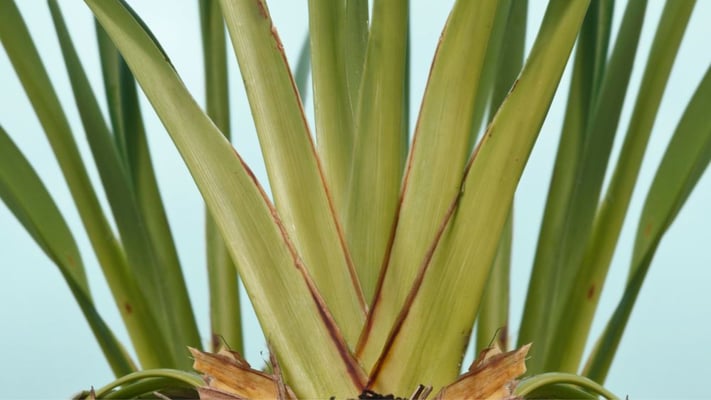



Researchers in New Zealand are exploring the potential of one of the country’s most common native plants to help address a major global pollution problem. Scientists at the University of Auckland have been studying harakeke, a native flax plant, to determine whether it can filter harmful “forever chemicals” from drinking water.

According to a report by 1News, the chemicals, known as Perfluoroalkyl and Polyfluoroalkyl Substances (PFAS), have been widely used for decades in products such as waterproof clothing, non-stick cookware, electronics and cosmetics. Because these substances do not break down easily in the environment, they can persist in water sources and accumulate in living organisms.
University of Auckland associate professor Erin Leitao explained that PFAS can eventually make their way into waterways and build up in the human body over time. “That gets to a concentration that causes problems, so you end up seeing adverse health effects from them," he said, as quoted by 1News.
Although research is still ongoing, PFAS exposure has previously been linked to serious health concerns, including cancer, potential birth defects and fertility problems.
During laboratory experiments, researchers placed small strands of harakeke into water contaminated with PFAS. After shaking the mixture for 24 hours, the scientists found that the plant strands were able to remove up to 99 per cent of the most difficult-to-treat chemicals, 1News has reported.
University of Auckland professor of organic chemistry David Barker described the findings as encouraging. According to him, harakeke could potentially replace traditional water filtration materials, which are often made from environmentally harmful substances such as activated carbon and polystyrene, 1News has reported.
Barker said the idea for the research came after learning about the cultural importance of harakeke to Māori communities. “In the past, they, for instance, built a lot of their settlements around where there was harakeke on the streams," he said.

"This was because harakeke absorbs the pollutants from the water through its roots and really cleans the streams," 1News has quoted.
If further studies confirm these findings, the native plant could offer a natural and sustainable way to reduce harmful chemicals in water supplies.


ISSUE


Leave a Comment