




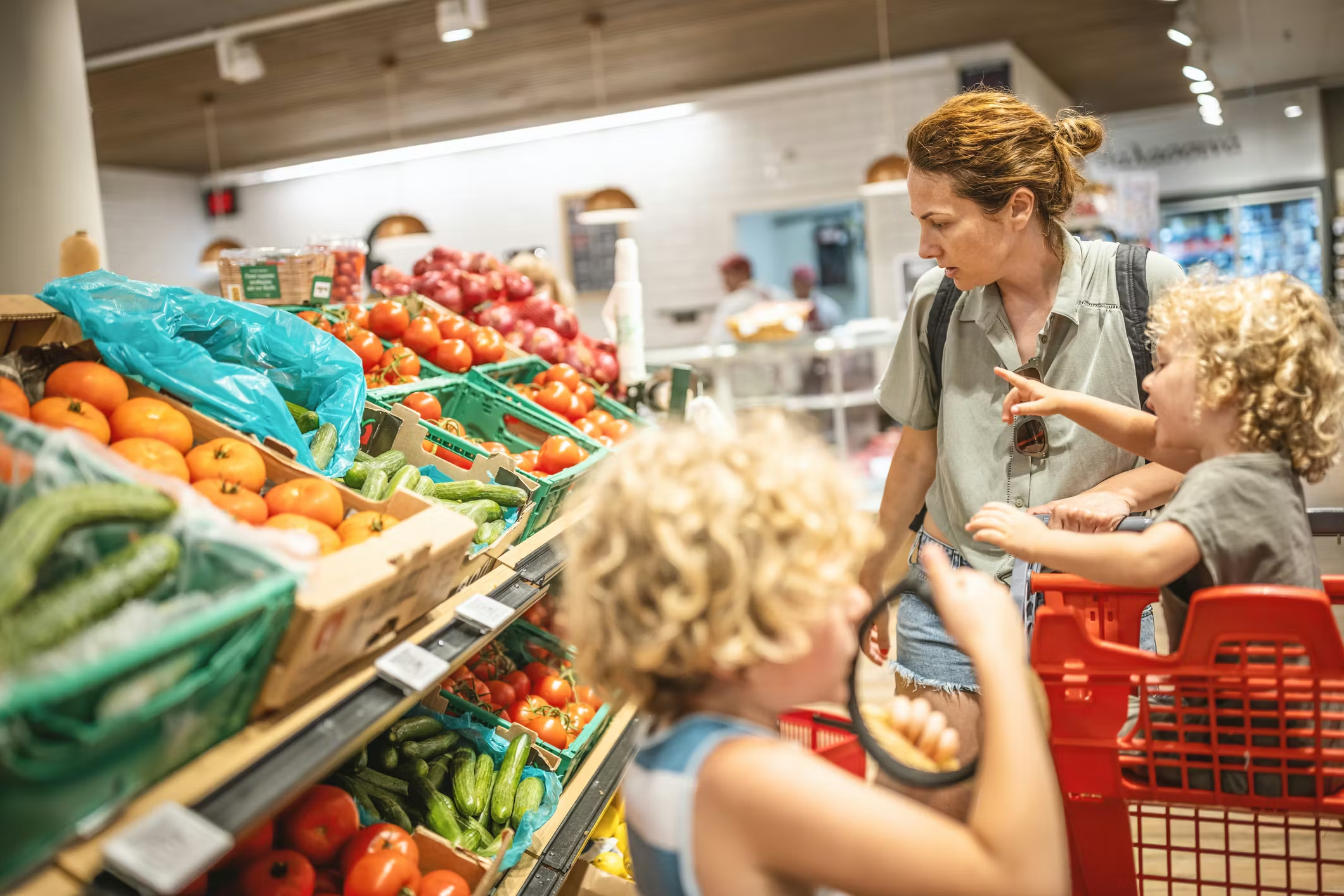



A New Zealand mother has decided to boycott supermarkets in an effort to cut food costs and eat healthier, saying the move could push retailers to address rising grocery prices if more people followed suit. Reported by Annemarie Quill from Stuff.
Taupō-based mum Fleur Smith has made it her New Year’s resolution to stop shopping at major supermarkets altogether. Instead, she is focusing on making food from scratch and sourcing ingredients outside the traditional grocery chains. She believes supermarket prices have reached a breaking point for many households.

“Everyone is saying they can no longer pay… it can’t go on like it is,” Smith said.
She has been sharing her journey through daily videos, explaining that the cost of food has become a constant topic of conversation among friends, family and the wider community.
“It just kind of became apparent at Christmas that everyone was just talking about how ridiculous food is costing. Everyone is noticing more and more that what they are getting for, say, $100 at the supermarket is getting less and less. People are genuinely worried how they will survive like this. I thought there has got to be another way.”
Smith says many families are trying to save money wherever they can, but that often leads to compromises in nutrition.
People, she noted, are frequently pushed towards cheaper, heavily processed foods because they feel they have no other choice. “Unfortunately the default is often cheaper, over-processed food like noodles and white bread or fast food – options which can also be the unhealthiest.”
She argues that preparing food at home can be both healthier and more cost-effective in the long run.
“Making your own bread has got to be better than reaching for $1 bread full of all sorts of stabilisers and processed this, that and the other, which is really bad for gut health…”
Her comments come as the cost-of-living crisis continues to bite at supermarket checkouts across New Zealand. Prices for everyday essentials such as bread, milk and meat have steadily increased, leaving many families under financial strain.
According to the latest data released in December, overall food prices were 4.6% higher in 2025 compared with the previous year. Some staple items that households rely on most have risen even more sharply, intensifying pressure on weekly grocery budgets.
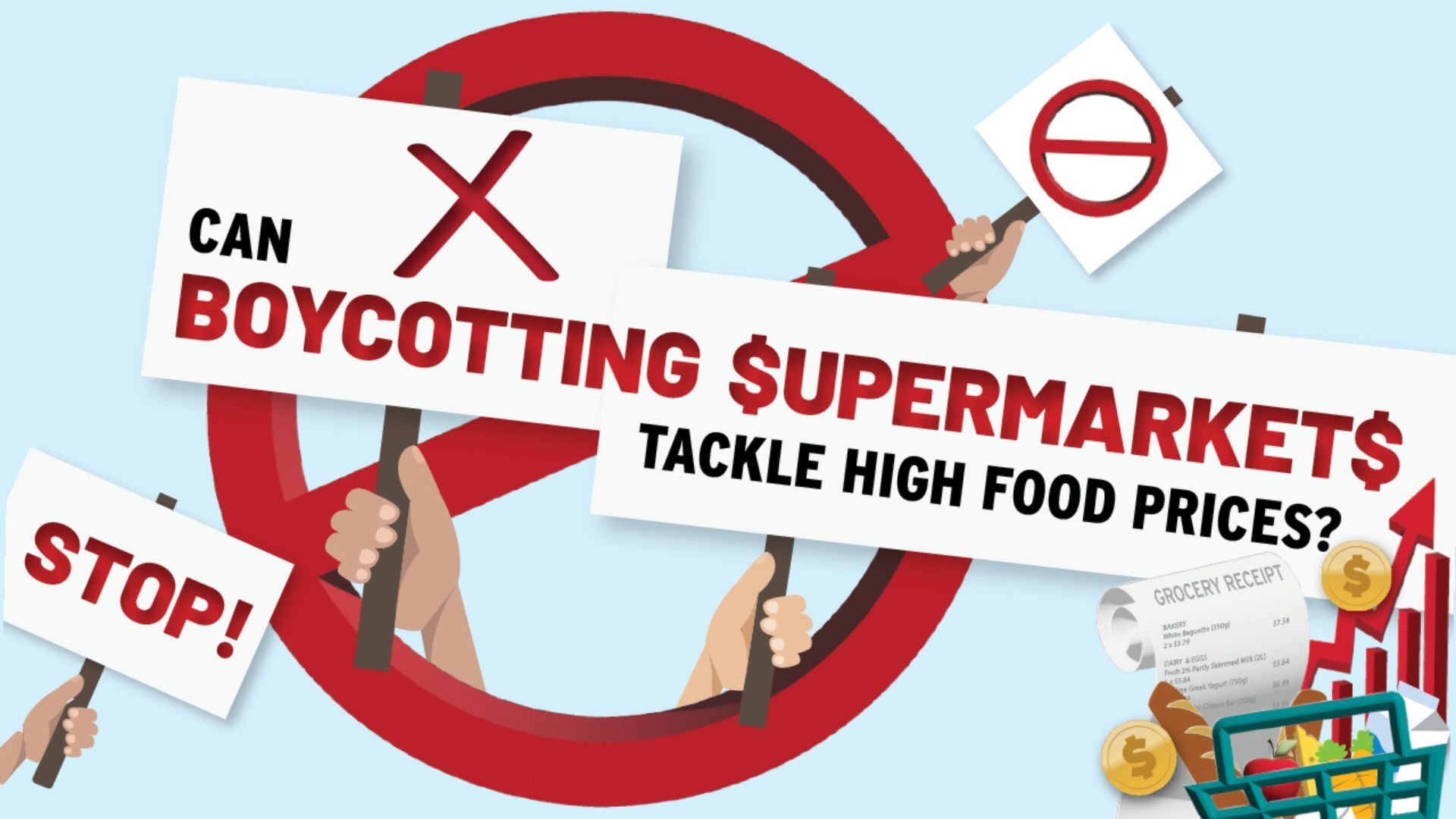
Smith hopes her supermarket boycott will encourage more people to rethink how they shop for food — and ultimately spark change in how groceries are priced.
White bread increased in price by more than 53.2% in a year, based on the cheapest option available. Beef went up 26.7%, and milk rose 15.8%.
Both Woolworths and Foodstuffs were asked to comment on Smith’s idea, and if they would reduce supermarket prices if more New Zealanders followed her lead.
Woolworths said the company would “politely decline this one”.
A Foodstuffs spokesperson said the company was “very aware the cost of living is one of the biggest issues our customers continue to face…
“We encourage customers to shop around and take advantage of the specials and deals available at their local stores.”
Foodstuffs said its customers “don’t typically challenge our checkout teams about pricing. If they do have a query or concern, we manage those as they arise and take a listen-first approach.”
Working off the theory that going directly to source is cheaper, Smith is aiming to buy food only from local stores, such as butchers and grocers, as well as markets, farms, fruit and vege stalls and wholesalers.
“It’s not like I am a great cook or even know how to make things from scratch like bread or yoghurt, so it’s going to be a process of discovery for me, what works and what doesn’t.”
How much time this will take is something she will note daily, aware that for many this is a mental barrier.
“I’ve actually found, once you know how to do it, making things like your own bread and yoghurt is pretty easy. Finding it not only tastes better but saves so much is worth that extra time - and it’s very early days, as I learn as I go I will get quicker.”
UK-born Smith is no novice when it comes to all things edible. Since moving to New Zealand, she’s helped put her newly adopted home on the food map with the Treats of Taupō food festival which she started in 2024.
“The change for me this year is I will be looking inward to what I can make at home, learning how to find the best, most cost-effective ingredients while still buying local.”
Sticking to seasonal ingredients not only saves money but is enabling her to be more creative.
“I was bored with what we were eating week after week, the same thing. I felt so out of touch with where my food was coming from. Supermarkets play on making everything in easy reach, but it’s gone too far in not really thinking about what we can make.

“Bananas might be cheap at a supermarket, but I started looking at labels, asking myself, why I am buying these from Ecuador, when I could buy other fruit that’s fresh and in season from Hawke’s Bay. Pams olive oil is from Spain, but there are lots of olive growers in New Zealand, so why aren’t we buying from them?”
She’s already discovering saving hacks.
“Volunteer at your nearest community gardens. I knew nothing about growing my own vegetables, how to do it, or even what grows when. When you volunteer, you not only learn skills from others, you get to share in the local produce.”
Shopping at the butcher’s comes with recommendations on what cuts of meat are a good buy, and how to use them. Stopping at roadside stalls for fresh fruit and veges also saves dollars.
“It can be time consuming and obviously uses petrol to shop around, but there are online options too you can regularly subscribe too, for example ‘misfit’ fruit and veg wholesalers which sell slightly misshapen produce that is still great but which the supermarkets might have rejected.”
It’s also worth travelling to buy seasonal produce in bulk and then freezing it.
“I went to a berry farm to stock up on kilos which freeze well and work out a fraction of the price you’d pay for smaller amounts in supermarkets.”
Buy the cheapest and freshest first, and then make it work, she advises.
“Like this week, I had loads of cabbages and not a clue what to do with them. It’s pushing myself but it’s actually fun to be creative - and when you’ve learned a recipe that you love, you can do it again - or make it in bulk and freeze.”
Although it’s early in the year, the family are already finding that their food bills are down, and they are really enjoying the food.
“This week I did a roast chicken I got from the butcher, which lasted more than a day. Last night we had chicken with a fresh salad and tomatoes, and I made a potato salad, all with ingredients I got free from the community gardens.”
Smith’s biggest savings challenge so far is dairy.
“Individual New Zealand dairies tend to produce artisan cheeses or milks, which may be delicious, but tend to be pricey. I’ve yet to think of a way of getting dairy more cheaply. I’ve made yoghurt - so will investigate even making butter and cream.”


ISSUE


Leave a Comment