

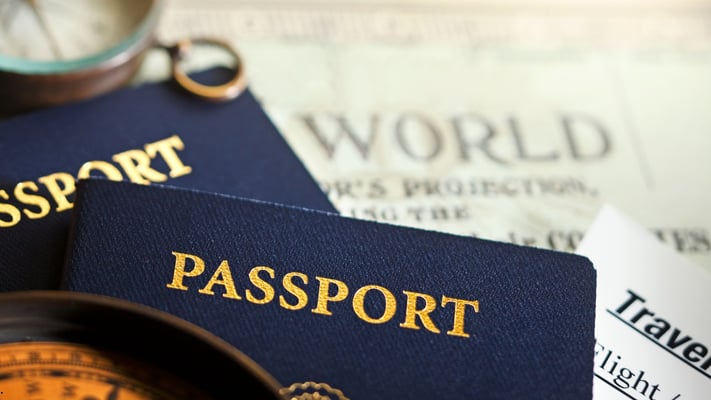

Indian passport slips to 78th in global rankings
India’s passport ranking has slipped to 78th position in the latest Henley Passport Index, highlighting the continuing gap in global travel mobility between nations. The Indian passport has fallen three places from its earlier 75th rank recorded in February 2026, as reported by Firstpost.
The latest ranking once again draws attention to the challenges Indian travellers often face while planning international trips, particularly when it comes to visa procedures and travel restrictions.
For many travellers, visa regulations remain one of the most stressful parts of travelling abroad. Lengthy paperwork, uncertain approval timelines, financial documentation requirements, and mandatory advance planning can complicate travel arrangements and sometimes even force people to postpone or cancel trips entirely.
According to Firstpost, this is where the global strength of a passport becomes highly significant, as it directly impacts the level of travel freedom citizens enjoy across different countries.
A passport today serves a purpose beyond simply being an identity document required at airports or immigration checkpoints. It also reflects a country’s diplomatic relationships, economic standing, international influence, and the ease with which its citizens can move across borders.
Generally, stronger passports provide easier access to multiple destinations with fewer visa restrictions and simplified entry procedures.
On the other hand, lower-ranked passports are often associated with stricter visa scrutiny, longer processing timelines, and additional documentation requirements.
India’s decline to the 78th position in the Henley Passport Index has once again sparked conversations about global mobility for Indian citizens.
Despite the drop in ranking, Indian passport holders still retain access to several destinations without requiring a traditional pre-approved visa.
Firstpost reported that Indian citizens can currently travel to 56 destinations either visa-free, through visa-on-arrival facilities, or with simplified entry permissions.
The Henley Passport Index is considered one of the most recognised global rankings measuring passport strength and travel freedom. It evaluates passports based on the number of destinations citizens can access without obtaining a visa in advance.
According to Firstpost, fluctuations in passport rankings are influenced by multiple factors, including diplomatic relations, international agreements, geopolitical developments, and changes in immigration policies worldwide.
The latest decline in India’s ranking serves as a reminder of how global mobility remains uneven across countries, affecting not only tourism but also education, business travel, work opportunities, and international networking for citizens.
India’s passport ranking has slipped to 78th position in the latest Henley Passport Index, highlighting the continuing gap in global travel mobility between nations. The Indian passport has fallen three places from its earlier 75th rank recorded in February 2026, as reported by Firstpost.
{%...India’s passport ranking has slipped to 78th position in the latest Henley Passport Index, highlighting the continuing gap in global travel mobility between nations. The Indian passport has fallen three places from its earlier 75th rank recorded in February 2026, as reported by Firstpost.
The latest ranking once again draws attention to the challenges Indian travellers often face while planning international trips, particularly when it comes to visa procedures and travel restrictions.
For many travellers, visa regulations remain one of the most stressful parts of travelling abroad. Lengthy paperwork, uncertain approval timelines, financial documentation requirements, and mandatory advance planning can complicate travel arrangements and sometimes even force people to postpone or cancel trips entirely.
According to Firstpost, this is where the global strength of a passport becomes highly significant, as it directly impacts the level of travel freedom citizens enjoy across different countries.
A passport today serves a purpose beyond simply being an identity document required at airports or immigration checkpoints. It also reflects a country’s diplomatic relationships, economic standing, international influence, and the ease with which its citizens can move across borders.
Generally, stronger passports provide easier access to multiple destinations with fewer visa restrictions and simplified entry procedures.
On the other hand, lower-ranked passports are often associated with stricter visa scrutiny, longer processing timelines, and additional documentation requirements.
India’s decline to the 78th position in the Henley Passport Index has once again sparked conversations about global mobility for Indian citizens.
Despite the drop in ranking, Indian passport holders still retain access to several destinations without requiring a traditional pre-approved visa.
Firstpost reported that Indian citizens can currently travel to 56 destinations either visa-free, through visa-on-arrival facilities, or with simplified entry permissions.
The Henley Passport Index is considered one of the most recognised global rankings measuring passport strength and travel freedom. It evaluates passports based on the number of destinations citizens can access without obtaining a visa in advance.
According to Firstpost, fluctuations in passport rankings are influenced by multiple factors, including diplomatic relations, international agreements, geopolitical developments, and changes in immigration policies worldwide.
The latest decline in India’s ranking serves as a reminder of how global mobility remains uneven across countries, affecting not only tourism but also education, business travel, work opportunities, and international networking for citizens.




Leave a Comment