

Apple names John Ternus as CEO, Tim Cook to step down after 15 years
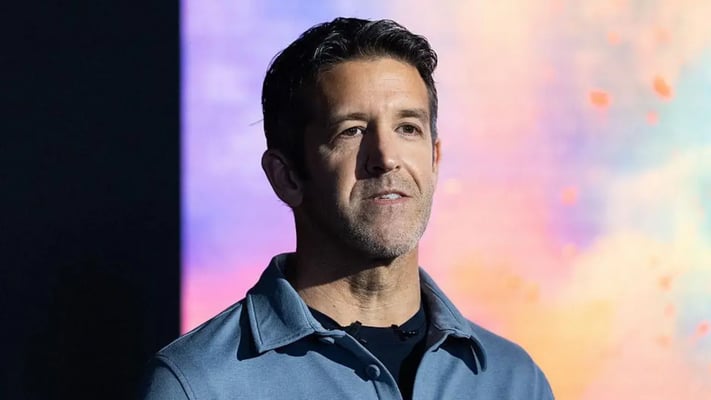
Apple Inc. has named John Ternus as its new chief executive, succeeding Tim Cook, who is stepping down after leading the company for 15 years. Reported by Kali Hays from BBC.
According to BBC.. Ternus, currently Apple’s head of hardware engineering and a 25-year veteran of the company, will officially take over as CEO on September 1. Cook will transition into the role of executive chairman.
Cook has served as Apple’s chief executive since 2011, following the resignation of co-founder Steve Jobs due to health reasons, shortly before his death.
He will remain CEO through the summer to ensure a smooth handover, working closely with Ternus during the transition period. After stepping down, Cook will "assist with certain aspects of the company, including engaging with policymakers around the world".
Cook’s decision comes after months of speculation that Apple was preparing for a leadership change. Reflecting on his tenure, he described the role as "the greatest privilege of my life." During his leadership, Apple grew into one of the most valuable companies globally.
In 2018, Apple became the first publicly traded company to reach a valuation of $1 trillion (£740bn), and it is now valued at approximately $4 trillion.
Cook praised his successor, calling Ternus a "visionary" executive with "the mind of an engineer, the soul of an innovator and the heart to lead with integrity and honour".
"He is without question the right person to lead Apple into the future," Cook added.
Ternus had already emerged as a leading candidate for the role last year, particularly after the departure of longtime executive and chief operating officer Jeff Williams.
During his 25 years at Apple, Ternus has contributed to nearly every major product the company has launched. His work spans all generations of the iPad, multiple versions of the iPhone, as well as the introduction of AirPods and the Apple Watch.
He also played a key role in transitioning Mac computers to Apple’s own silicon chips. Ternus previously worked under Jobs and, in a statement, referred to Cook as his "mentor."
"I am filled with optimism about what we can achieve in the years to come," Ternus said.
A shift toward product innovation
Appointing a leader with a strong hardware and product background may signal a shift in Apple’s strategy. Under Cook, the company faced criticism for not delivering breakthrough innovations on the scale of the iPhone, despite achieving remarkable financial success.
Dipanjan Chatterjee, a principal analyst at Forrester, acknowledged Cook’s role in strengthening Apple’s financial position but noted the absence of a transformative product that could drive long-term growth.
He said Apple "remains structurally dependent on the phone" as it "searches for its next growth engine".
According to Chatterjee, Ternus’ appointment suggests Apple is aiming for greater "differentiation" in its products. He added that the new CEO "must resist the temptation of incrementalism that has plagued Apple of late and escape the iPhone's gravitational pull".
Gil Luria, managing director at DA Davidson & Co, echoed this view, stating that Ternus’ hardware focus indicates Apple may invest more heavily in new product categories such as foldable devices and wearable technologies like smart glasses.
Apple has also faced criticism for lagging behind competitors in the rapidly growing field of artificial intelligence. The company has recently integrated ChatGPT technology from OpenAI into its operating systems.
Following the announcement, OpenAI CEO Sam Altman wrote on X: "Tim Cook is a legend.
"I am very thankful for everything he has done and I am very thankful for Apple."
Unlike Ternus, Cook did not come from a product or engineering background. Before joining Apple, he held roles focused on operations, logistics, and sales at companies such as IBM and Compaq. His expertise lay in streamlining operations and scaling the business, rather than leading product innovation—a role that Jobs was widely known for.
One of the most notable product launches during Cook’s tenure was the Apple Vision Pro, though it struggled to gain widespread consumer adoption.
Nevertheless, Cook’s operational leadership is expected to secure his legacy as one of the most successful business executives.
Timothy Hubbard, a professor at the University of Notre Dame Mendoza College of Business, said Cook’s leadership turned Apple into a company that was "the best at refining, scaling and defending an extraordinarily powerful system".
"The real question now is whether that same organisation can pivot toward exploration, where success depends on speed, uncertainty and a greater willingness to experiment," he said.
Apple’s cautious approach toward artificial intelligence has set it apart from rivals such as Google, Microsoft, and Meta, all of which are investing heavily in AI development.
With new leadership in place, analysts believe Apple may be preparing to deepen its integration of AI into its hardware ecosystem.
"The very strengths that made Apple dominant - their discipline, polish, and control - could become constraints if the next era rewards openness and faster iteration," Hubbard said.
"That rapid innovation is where Apple started, and maybe that's where the company needs to return."

Apple Inc. has named John Ternus as its new chief executive, succeeding Tim Cook, who is stepping down after leading the company for 15 years. Reported by Kali Hays from BBC.
According to BBC.. Ternus, currently Apple’s head of hardware engineering and a 25-year veteran of the company, will...
Apple Inc. has named John Ternus as its new chief executive, succeeding Tim Cook, who is stepping down after leading the company for 15 years. Reported by Kali Hays from BBC.
According to BBC.. Ternus, currently Apple’s head of hardware engineering and a 25-year veteran of the company, will officially take over as CEO on September 1. Cook will transition into the role of executive chairman.
Cook has served as Apple’s chief executive since 2011, following the resignation of co-founder Steve Jobs due to health reasons, shortly before his death.
He will remain CEO through the summer to ensure a smooth handover, working closely with Ternus during the transition period. After stepping down, Cook will "assist with certain aspects of the company, including engaging with policymakers around the world".
Cook’s decision comes after months of speculation that Apple was preparing for a leadership change. Reflecting on his tenure, he described the role as "the greatest privilege of my life." During his leadership, Apple grew into one of the most valuable companies globally.
In 2018, Apple became the first publicly traded company to reach a valuation of $1 trillion (£740bn), and it is now valued at approximately $4 trillion.
Cook praised his successor, calling Ternus a "visionary" executive with "the mind of an engineer, the soul of an innovator and the heart to lead with integrity and honour".
"He is without question the right person to lead Apple into the future," Cook added.
Ternus had already emerged as a leading candidate for the role last year, particularly after the departure of longtime executive and chief operating officer Jeff Williams.
During his 25 years at Apple, Ternus has contributed to nearly every major product the company has launched. His work spans all generations of the iPad, multiple versions of the iPhone, as well as the introduction of AirPods and the Apple Watch.
He also played a key role in transitioning Mac computers to Apple’s own silicon chips. Ternus previously worked under Jobs and, in a statement, referred to Cook as his "mentor."
"I am filled with optimism about what we can achieve in the years to come," Ternus said.
A shift toward product innovation
Appointing a leader with a strong hardware and product background may signal a shift in Apple’s strategy. Under Cook, the company faced criticism for not delivering breakthrough innovations on the scale of the iPhone, despite achieving remarkable financial success.
Dipanjan Chatterjee, a principal analyst at Forrester, acknowledged Cook’s role in strengthening Apple’s financial position but noted the absence of a transformative product that could drive long-term growth.
He said Apple "remains structurally dependent on the phone" as it "searches for its next growth engine".
According to Chatterjee, Ternus’ appointment suggests Apple is aiming for greater "differentiation" in its products. He added that the new CEO "must resist the temptation of incrementalism that has plagued Apple of late and escape the iPhone's gravitational pull".
Gil Luria, managing director at DA Davidson & Co, echoed this view, stating that Ternus’ hardware focus indicates Apple may invest more heavily in new product categories such as foldable devices and wearable technologies like smart glasses.
Apple has also faced criticism for lagging behind competitors in the rapidly growing field of artificial intelligence. The company has recently integrated ChatGPT technology from OpenAI into its operating systems.
Following the announcement, OpenAI CEO Sam Altman wrote on X: "Tim Cook is a legend.
"I am very thankful for everything he has done and I am very thankful for Apple."
Unlike Ternus, Cook did not come from a product or engineering background. Before joining Apple, he held roles focused on operations, logistics, and sales at companies such as IBM and Compaq. His expertise lay in streamlining operations and scaling the business, rather than leading product innovation—a role that Jobs was widely known for.
One of the most notable product launches during Cook’s tenure was the Apple Vision Pro, though it struggled to gain widespread consumer adoption.
Nevertheless, Cook’s operational leadership is expected to secure his legacy as one of the most successful business executives.
Timothy Hubbard, a professor at the University of Notre Dame Mendoza College of Business, said Cook’s leadership turned Apple into a company that was "the best at refining, scaling and defending an extraordinarily powerful system".
"The real question now is whether that same organisation can pivot toward exploration, where success depends on speed, uncertainty and a greater willingness to experiment," he said.
Apple’s cautious approach toward artificial intelligence has set it apart from rivals such as Google, Microsoft, and Meta, all of which are investing heavily in AI development.
With new leadership in place, analysts believe Apple may be preparing to deepen its integration of AI into its hardware ecosystem.
"The very strengths that made Apple dominant - their discipline, polish, and control - could become constraints if the next era rewards openness and faster iteration," Hubbard said.
"That rapid innovation is where Apple started, and maybe that's where the company needs to return."


Leave a Comment