




Sandeep Dhiman murder: Court rejects bid to overturn life sentence
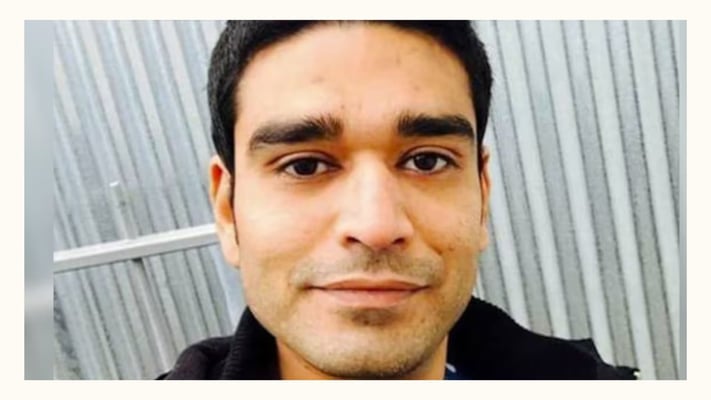



A man who was 17 when he brutally killed Napier IT professional Sandeep Dhiman in Hawke’s Bay, has failed in a bid to have his life sentence reconsidered, with the Court of Appeal ruling the punishment was not manifestly unjust despite his young age and troubled background, The New Zealand Herald has reported.
Shaun Liam Karauria, now 26, asked the Court of Appeal to allow him to challenge his sentence years after it was imposed, arguing that changes in sentencing law meant he should instead receive a finite prison term.
According to Herald, the court has declined the application, leaving Karauria’s life sentence and 12-year minimum period of imprisonment (MPI) in place.
Dhiman, 30, was killed in December 2017 after Karauria and another 17-year-old, Rosie Page Lewis, devised a plan to steal a car.
According to a recently released Court of Appeal decision, Lewis befriended Dhiman on Tinder and persuaded him to drive to a remote location.
The court said Dhiman was effectively “set up”.
Once at the location, Karauria took Dhiman for a walk and attacked him with a knife, stabbing him nine times.
Despite his injuries, Dhiman managed to make his way towards the road before collapsing.
Karauria then attacked him again, stomping on his face and head.
He was found dead in a roadside ditch near Napier on December 18, 2017 — the day he would have turned 31.
“The clear purpose was to make sure he was dead,” the decision stated, as quoted by Herald.
Karauria was preparing to leave in Dhiman’s car when Lewis said she believed Dhiman had moved.
He returned and attacked Dhiman again.
Dhiman was left on Matahorua Rd near Tūtira and was found dead about 12 hours later.
Dhiman, an IT professional who had come to New Zealand from India for study and employment opportunities, had been living in Napier for about seven months before his death.
Troubled background considered at sentencing
When Karauria was sentenced in the High Court in 2018, Justice Simon France described the killing as both carefully planned and exceptionally brutal, Herald reported.
That meant the murder fell within the category of the most serious offending under the Sentencing Act, producing a starting point of a 17-year minimum period of imprisonment.
However, the judge also considered Karauria’s age and personal circumstances.
His father had died when he was 11, after which his upbringing became increasingly unsettled. He moved between family members and spent periods living in Wairoa and Taranaki.
The court heard he had experienced violence, left school without qualifications and at times had been homeless.
He also experienced significant mental health difficulties following his father’s death, including depression, alcohol abuse, suicidal thoughts and self-harm.
Justice France considered Karauria emotionally immature and recognised that, although the killing was deliberate, he did not have the same level of understanding as an adult.
“You are not an adult,” he said at the time, as quoted by Herald.
“You do not think like one, you are not capable of thinking like one, and culpability is not to be assessed as if you are one.”
Those considerations resulted in a three-year reduction to the 17-year starting point.
Karauria's early guilty plea resulted in another two-year reduction, leaving him with life imprisonment and a 12-year MPI.
Lewis also pleaded guilty to murder and received life imprisonment with an 11-year minimum term.
Appeal centred on developments in youth sentencing
Herald has reported that Karauria's latest challenge relied on a 2023 Court of Appeal decision, Dickey v R, which recognised that the neurological and cognitive development of young offenders can be relevant to culpability and, in some circumstances, could make life imprisonment for murder manifestly unjust.
His lawyer argued that the legal principles established in that case represented a significant development in the way young offenders should be sentenced.
Had those principles been available when Karauria was sentenced in 2018, his lawyer argued, the court may have imposed a finite sentence rather than life imprisonment.
The Court of Appeal, however, found that Justice France had already taken into account many of the factors highlighted in Dickey.
The court said his age, difficult upbringing, mental health issues and emotional immaturity had all been considered at sentencing.
It also distinguished Karauria's case from the offending considered in Dickey, pointing to the deliberate planning and extreme violence involved in Dhiman's murder.
“In our view, the culpability attending his planned and brutal murder of Mr Dhiman would have prevented the imposition of a finite sentence,” the Court of Appeal ruled, as quoted in the Herald report.
“A sentence of life imprisonment with an MPI of at least 12 years would not have been manifestly unjust.”
The court also noted that Karauria waited almost seven years after sentencing before filing his application in April 2025.
It said the delay was relevant because the criminal justice system places importance on cases eventually reaching finality.
Karauria's application was therefore declined, and his life sentence remains unchanged, Herald has reported.
Dhiman was working for Chorus and had been living in Napier for about seven months before his death. He had moved to New Zealand to pursue his studies and career opportunities.
A man who was 17 when he brutally killed Napier IT professional Sandeep Dhiman in Hawke’s Bay, has failed in a bid to have his life sentence reconsidered, with the Court of Appeal ruling the punishment was not manifestly unjust despite his young age and troubled background, The New Zealand Herald...
A man who was 17 when he brutally killed Napier IT professional Sandeep Dhiman in Hawke’s Bay, has failed in a bid to have his life sentence reconsidered, with the Court of Appeal ruling the punishment was not manifestly unjust despite his young age and troubled background, The New Zealand Herald has reported.
Shaun Liam Karauria, now 26, asked the Court of Appeal to allow him to challenge his sentence years after it was imposed, arguing that changes in sentencing law meant he should instead receive a finite prison term.
According to Herald, the court has declined the application, leaving Karauria’s life sentence and 12-year minimum period of imprisonment (MPI) in place.
Dhiman, 30, was killed in December 2017 after Karauria and another 17-year-old, Rosie Page Lewis, devised a plan to steal a car.
According to a recently released Court of Appeal decision, Lewis befriended Dhiman on Tinder and persuaded him to drive to a remote location.
The court said Dhiman was effectively “set up”.
Once at the location, Karauria took Dhiman for a walk and attacked him with a knife, stabbing him nine times.
Despite his injuries, Dhiman managed to make his way towards the road before collapsing.
Karauria then attacked him again, stomping on his face and head.
He was found dead in a roadside ditch near Napier on December 18, 2017 — the day he would have turned 31.
“The clear purpose was to make sure he was dead,” the decision stated, as quoted by Herald.
Karauria was preparing to leave in Dhiman’s car when Lewis said she believed Dhiman had moved.
He returned and attacked Dhiman again.
Dhiman was left on Matahorua Rd near Tūtira and was found dead about 12 hours later.
Dhiman, an IT professional who had come to New Zealand from India for study and employment opportunities, had been living in Napier for about seven months before his death.
Troubled background considered at sentencing
When Karauria was sentenced in the High Court in 2018, Justice Simon France described the killing as both carefully planned and exceptionally brutal, Herald reported.
That meant the murder fell within the category of the most serious offending under the Sentencing Act, producing a starting point of a 17-year minimum period of imprisonment.
However, the judge also considered Karauria’s age and personal circumstances.
His father had died when he was 11, after which his upbringing became increasingly unsettled. He moved between family members and spent periods living in Wairoa and Taranaki.
The court heard he had experienced violence, left school without qualifications and at times had been homeless.
He also experienced significant mental health difficulties following his father’s death, including depression, alcohol abuse, suicidal thoughts and self-harm.
Justice France considered Karauria emotionally immature and recognised that, although the killing was deliberate, he did not have the same level of understanding as an adult.
“You are not an adult,” he said at the time, as quoted by Herald.
“You do not think like one, you are not capable of thinking like one, and culpability is not to be assessed as if you are one.”
Those considerations resulted in a three-year reduction to the 17-year starting point.
Karauria's early guilty plea resulted in another two-year reduction, leaving him with life imprisonment and a 12-year MPI.
Lewis also pleaded guilty to murder and received life imprisonment with an 11-year minimum term.
Appeal centred on developments in youth sentencing
Herald has reported that Karauria's latest challenge relied on a 2023 Court of Appeal decision, Dickey v R, which recognised that the neurological and cognitive development of young offenders can be relevant to culpability and, in some circumstances, could make life imprisonment for murder manifestly unjust.
His lawyer argued that the legal principles established in that case represented a significant development in the way young offenders should be sentenced.
Had those principles been available when Karauria was sentenced in 2018, his lawyer argued, the court may have imposed a finite sentence rather than life imprisonment.
The Court of Appeal, however, found that Justice France had already taken into account many of the factors highlighted in Dickey.
The court said his age, difficult upbringing, mental health issues and emotional immaturity had all been considered at sentencing.
It also distinguished Karauria's case from the offending considered in Dickey, pointing to the deliberate planning and extreme violence involved in Dhiman's murder.
“In our view, the culpability attending his planned and brutal murder of Mr Dhiman would have prevented the imposition of a finite sentence,” the Court of Appeal ruled, as quoted in the Herald report.
“A sentence of life imprisonment with an MPI of at least 12 years would not have been manifestly unjust.”
The court also noted that Karauria waited almost seven years after sentencing before filing his application in April 2025.
It said the delay was relevant because the criminal justice system places importance on cases eventually reaching finality.
Karauria's application was therefore declined, and his life sentence remains unchanged, Herald has reported.
Dhiman was working for Chorus and had been living in Napier for about seven months before his death. He had moved to New Zealand to pursue his studies and career opportunities.



Related Posts
ISSUE

Leave a Comment