




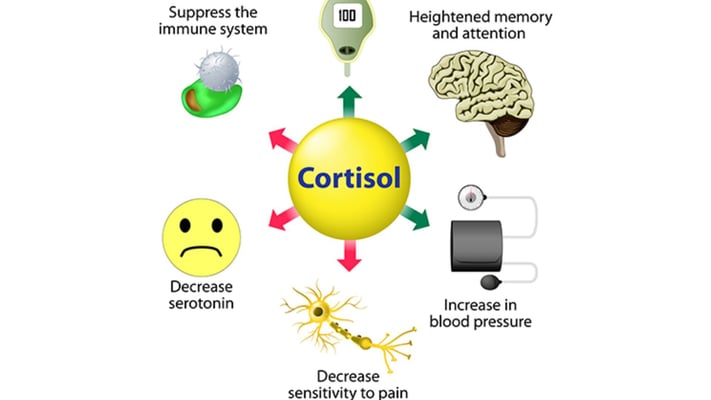



Millions grapple with unrelenting stress in modern life, often feeling drained, anxious, and unwell without a clear cause. Experts increasingly link these issues to chronically elevated cortisol, the body's main stress hormone, which plays a helpful role in the short term but damages health when persistently high.

Cortisol's Double-Edged Role
Produced by the adrenal glands, cortisol regulates metabolism, inflammation, blood pressure, and the stress response. It follows a daily cycle, peaking in the morning for energy and dropping at night for recovery via the hypothalamus-pituitary-adrenal axis.
Short bursts during stress mobilise glucose for quick action, but chronic activation keeps levels soaring. "Persistent stress and anxiety can put a physical burden on the body’s emergency response systems, including elevated and long-term exposure to stress hormones, including cortisol," said Dr Arpana Vidyasagar in a UCLA Health article on cortisol during stress.

Recognizing the Symptoms
Key signs include abdominal and facial weight gain, fatigue, high blood pressure, muscle weakness, irritability, insomnia, headaches, anxiety, and frequent infections.
"Symptoms of high cortisol levels, or Cushing syndrome, can include weight gain, especially in your face and belly [and] high blood pressure," states the Cleveland Clinic in its cortisol overview.
Serious Health Impacts
Prolonged elevation heightens risks for diabetes, osteoporosis, heart disease, depression, cognitive decline, and weakened immunity.mayoclinic+1
"The long-term activation of the stress response system and too much exposure to cortisol... can disrupt almost all the body's processes. This puts you at higher risk of many health problems," warns the Mayo Clinic in its February 4, 2026, article on chronic stress.
Actionable Ways to Lower It
Prioritize 7-9 hours of sleep, moderate exercise, deep breathing, and strong social ties. "Get quality sleep... Move your body. Regular physical activity helps improve sleep quality and reduce stress. Practice deep breathing exercises," recommends the Cleveland Clinic.
Limit caffeine and practice mindfulness to restore balance.
When to Get Checked
See a doctor for lasting symptoms; tests like blood, saliva, or urine measure levels precisely. "If symptoms persist, see your doctor. They may order tests to check hormone levels," advise UCLA Health experts.
Early intervention prevents complications like Cushing’s syndrome.


ISSUE


Leave a Comment