


Palak paneer ‘smell’ case: Indian students win Rs 1.8 crore in US
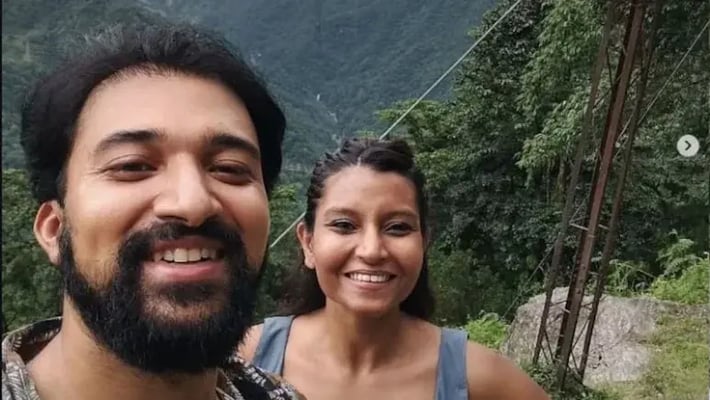
Jan 14, 2026: Two Indian PhD students at the University of Colorado Boulder in the United States have secured a civil rights settlement worth $200,000 (approximately Rs 1.8 crore) after alleging systemic discrimination over their cultural food practices on campus. Reported by Sanstuti Nath from NDTV.
The case stems from a September 5, 2023 incident involving Aditya Prakash, then a doctoral candidate in the university’s Anthropology Department.
About a year into his programme, Prakash said he was reheating his lunch — palak paneer — in a shared microwave when a female staff member objected to the “smell” and asked him not to use the facility for his food.
“The smell was pungent, she said,” Prakash, 34, told The Indian Express. He said he pushed back, arguing that the space was communal and that he had an equal right to use it.
“My food is my pride. And notions about what smells good or bad to someone are culturally determined,” Prakash said. He recalled that a facilities staff member suggested even broccoli was restricted due to its odour. “I replied that context matters. ‘How many groups of people do you know who face racism because they eat broccoli?’”
The dispute escalated after Prakash’s partner, Urmi Bhattacheryya, supported him. The couple alleged that they were subsequently subjected to discriminatory treatment for standing their ground.
Prakash claimed he was repeatedly summoned to meetings with senior faculty and accused of making the staff member “feel unsafe.” Bhattacheryya, meanwhile, said she was removed from her teaching assistant role without explanation for backing Prakash.
“The department also refused to grant us master's degrees that PhD students are awarded en route to the PhD. That's when we decided to seek legal recourse,” Prakash said.
In their lawsuit filed in the United States District Court for Colorado, the couple alleged that the university withheld their earned master’s degrees and fostered a hostile academic environment that obstructed their progress.
The suit argued that the university’s response to their cultural food amounted to deeper “systemic bias” against international students.
In September 2025, the University of Colorado Boulder agreed to settle the case, paying Prakash and Bhattacheryya $200,000 and formally awarding their master’s degrees. However, both have been barred from future enrolment or employment at the university.
Following the settlement, Bhattacheryya shared an emotional post on Instagram announcing the legal victory.
“This year, I fought a fight – a fight for the freedom to eat what I want and to protest at will... no matter the colour of my skin, my ethnic extraction or the unflinchingly unchanged Indian accent,” she wrote.
“I endured startling health reversals I'd never encountered before. The steady chipping away at, and eroding of, a self-respect and confidence I'd always jealously safeguarded -- that no one had ever dared to touch before.
Until these actions did, if you've followed our journeys, did. Well, not for long. I will not be humbled by injustices. I will not be silent in the face of deliberate upheavals. I will certainly kowtow to no one.”
Jan 14, 2026: Two Indian PhD students at the University of Colorado Boulder in the United States have secured a civil rights settlement worth $200,000 (approximately Rs 1.8 crore) after alleging systemic discrimination over their cultural food practices on campus. Reported by Sanstuti Nath from...
Jan 14, 2026: Two Indian PhD students at the University of Colorado Boulder in the United States have secured a civil rights settlement worth $200,000 (approximately Rs 1.8 crore) after alleging systemic discrimination over their cultural food practices on campus. Reported by Sanstuti Nath from NDTV.
The case stems from a September 5, 2023 incident involving Aditya Prakash, then a doctoral candidate in the university’s Anthropology Department.
About a year into his programme, Prakash said he was reheating his lunch — palak paneer — in a shared microwave when a female staff member objected to the “smell” and asked him not to use the facility for his food.
“The smell was pungent, she said,” Prakash, 34, told The Indian Express. He said he pushed back, arguing that the space was communal and that he had an equal right to use it.
“My food is my pride. And notions about what smells good or bad to someone are culturally determined,” Prakash said. He recalled that a facilities staff member suggested even broccoli was restricted due to its odour. “I replied that context matters. ‘How many groups of people do you know who face racism because they eat broccoli?’”
The dispute escalated after Prakash’s partner, Urmi Bhattacheryya, supported him. The couple alleged that they were subsequently subjected to discriminatory treatment for standing their ground.
Prakash claimed he was repeatedly summoned to meetings with senior faculty and accused of making the staff member “feel unsafe.” Bhattacheryya, meanwhile, said she was removed from her teaching assistant role without explanation for backing Prakash.
“The department also refused to grant us master's degrees that PhD students are awarded en route to the PhD. That's when we decided to seek legal recourse,” Prakash said.
In their lawsuit filed in the United States District Court for Colorado, the couple alleged that the university withheld their earned master’s degrees and fostered a hostile academic environment that obstructed their progress.
The suit argued that the university’s response to their cultural food amounted to deeper “systemic bias” against international students.
In September 2025, the University of Colorado Boulder agreed to settle the case, paying Prakash and Bhattacheryya $200,000 and formally awarding their master’s degrees. However, both have been barred from future enrolment or employment at the university.
Following the settlement, Bhattacheryya shared an emotional post on Instagram announcing the legal victory.
“This year, I fought a fight – a fight for the freedom to eat what I want and to protest at will... no matter the colour of my skin, my ethnic extraction or the unflinchingly unchanged Indian accent,” she wrote.
“I endured startling health reversals I'd never encountered before. The steady chipping away at, and eroding of, a self-respect and confidence I'd always jealously safeguarded -- that no one had ever dared to touch before.
Until these actions did, if you've followed our journeys, did. Well, not for long. I will not be humbled by injustices. I will not be silent in the face of deliberate upheavals. I will certainly kowtow to no one.”


Leave a Comment