




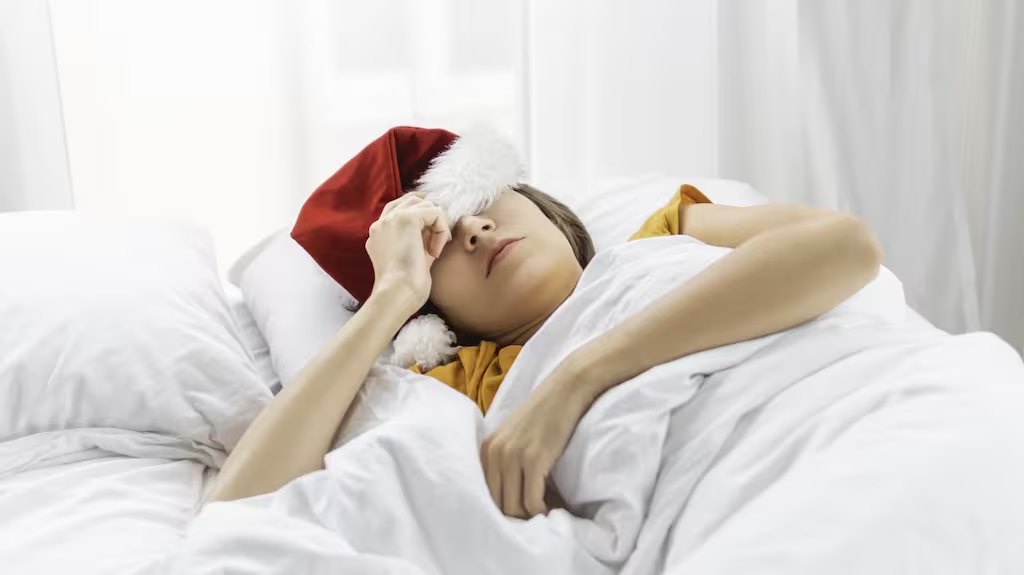



Christmas is meant to be a time to rest and recharge, yet for many people it becomes one of the most disruptive periods for sleep. Late nights, travel, festive food, alcohol, and packed schedules often throw normal routines out of balance, affecting mood, health, and even safety. Sleep expert Clare Anderson explains how the holiday season quietly sabotages sleep — and what can be done to protect it. Reported by 1news.
1. The social jetlag of Christmas parties
Late nights and lie-ins may feel indulgent, but irregular sleep timing disrupts the body clock. Bright lights and changing schedules leave people feeling sluggish, irritable, and less focused the next day.
2. End-of-year exhaustion
Many adults already get less than the recommended seven hours of sleep. Even losing one hour a night builds up quickly, making the Christmas break a crucial time to recover lost rest.

3. Festive eating and sleepiness
Heavy meals rich in fat and carbohydrates can act like sedatives. When combined with sleep deprivation, cravings for sugary foods increase, followed by an energy crash about 90 minutes later.
4. Excited children and disrupted bedtimes
Christmas Eve excitement raises stress hormones in children, making sleep difficult. Overtired children often become hyperactive, turning bedtime into a struggle.
5. Shift work at Christmas
Retail, healthcare, and essential workers face long and overnight shifts. Shifts longer than ten hours raise accident risk by 13%, while night work increases it by 28%, making Christmas particularly challenging for shift workers.
6. The hidden burden of Christmas travel
Fatigue plays a role in around 17% of fatal vehicle accidents. Long journeys, jet lag, unfamiliar beds, and reduced sleep all heighten the risk.
7. The Christmas lights paradox
Short winter days reduce daylight exposure, while bright festive lights at night overstimulate the brain. This imbalance disrupts circadian rhythms and can affect heart rate and blood sugar during sleep.
8. Alcohol and the myth of a silent night
Alcohol may help you fall asleep faster, but it fragments sleep and worsens breathing issues. You may not remember waking during the night, but you will feel the effects the next day.
9. Christmas napping
A short nap on Christmas Day is common. People sleep about 5% more on average, and an extra 20–30 minutes of sleep can help boost immunity.
10. Anxiety beyond the empty stocking
Financial stress, loneliness, and high expectations increase anxiety. Anxiety raises the risk of sleep problems by 90%, and poor sleep then worsens anxiety.
11. The pleasure and pain of New Year’s Eve
New Year’s Eve is the worst night for sleep, with bedtimes delayed by around 90 minutes. Accident rates rise the next day, making rest essential.

12. A gift to yourself: sleep protection
Maintain regular sleep and wake times, aim for at least seven hours of sleep, keep naps short and early, moderate alcohol and heavy food, manage light exposure, support children’s routines, and take extra care when travelling.
Author Clare Anderson is a Professor of Sleep and Circadian Science at the University of Birmingham.



ISSUE


Leave a Comment