




-Jun-05-2026-02-40-42-0510-AM.jpg?width=740&height=400&name=Break%20The%20Silence%20NZ%20Campaign%20Supports%20Asians%20Facing%20Gambling%20Harm%20(1)-Jun-05-2026-02-40-42-0510-AM.jpg)



More than a century after Rabindranath Tagore wrote Kabuliwala, the beloved story has been reimagined for contemporary New Zealand audiences in Indian Ink's latest production, Balloon Dog.
Currently touring Aotearoa following a sold-out preview season, the play shifts the setting from 19th-century Calcutta to modern-day Auckland, bringing themes of migration, belonging and human connection into a local context.
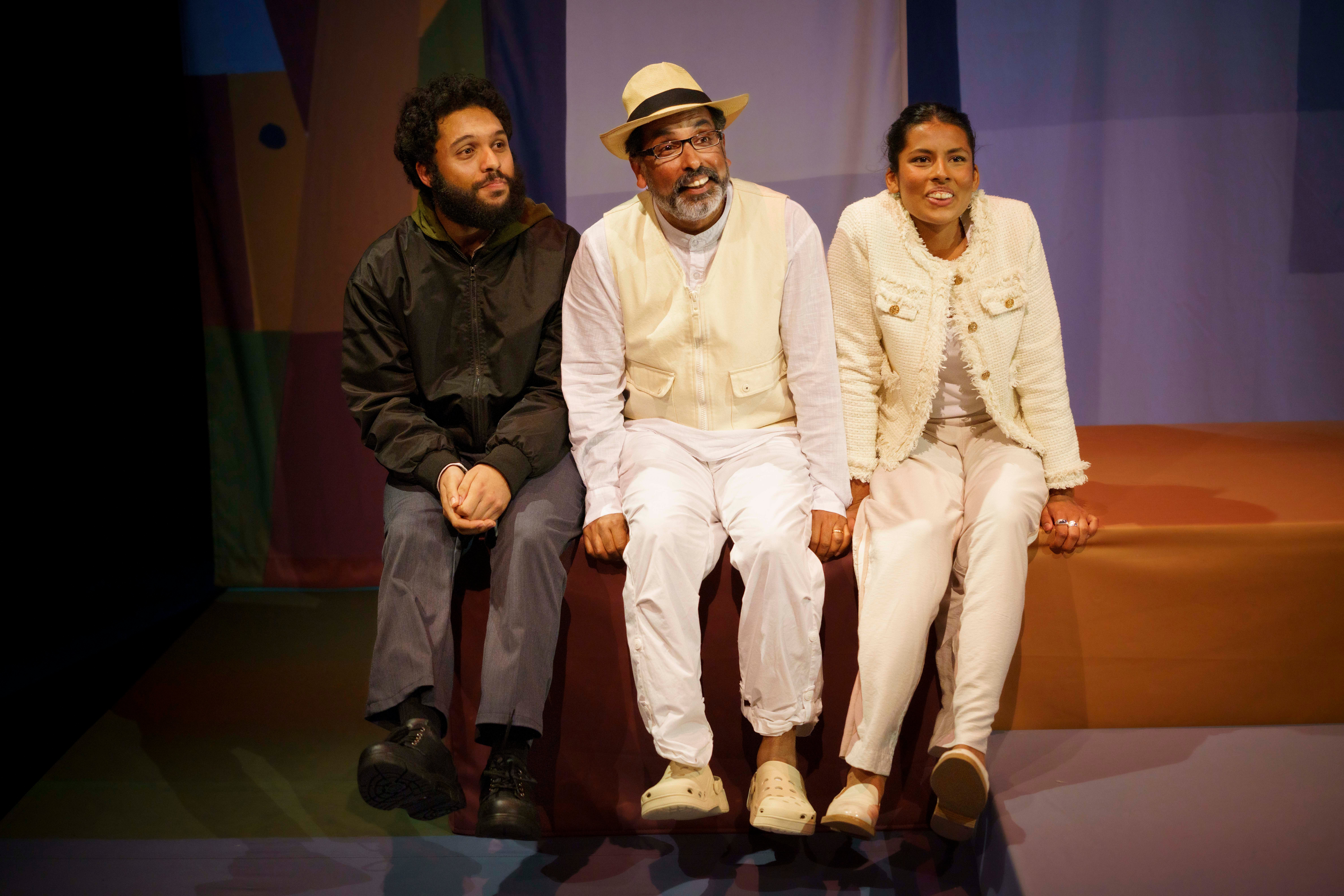
At the centre of the story is Kabir, a migrant worker whose friendship with a five-year-old girl named Mini prompts a family to confront their own assumptions and fears.
“I play Kabir, a migrant worker who forms an unexpectedly strong bond with Mini, a five-year-old girl,” says actor Jehangir Homavazir.
For Homavazir, the story's themes remain as relevant today as when Tagore first wrote them.
“I think the core of the story is timeless. Its themes transcend generations, so adapting it to a modern New Zealand context felt surprisingly natural. The experiences of migration, connection, and belonging are still incredibly relevant today.”
Created by Indian Ink co-founders Jacob Rajan and Justin Lewis, with Lewis directing and Rajan on stage, Balloon Dog is the theatre company's twelfth production and explores issues including migration, parenthood, prejudice and loneliness.
“Kabuliwala and Balloon Dog are both stories about seeing one another, even across the barriers of culture, class and circumstance. Like people everywhere, the stories are different – but they’re the same” says co-writer Jacob Rajan.
For Homavazir, who is of Indian-Iranian descent and was born and raised in East Auckland, some of those themes resonated on a personal level.
“I really connected with the idea of being judged before people truly get to know you. That’s something a lot of people from migrant or ethnic communities can relate to.”
That connection helped shape his portrayal of Kabir during a development process that spanned more than a year.
“The character went through a lot of changes throughout the process, which was incredibly rewarding as an actor. It gave me the opportunity to really dive deep into who Kabir is — not just who he is on the surface, but who he isn’t as well.”
He says one of the most rewarding aspects of the role has been presenting a migrant character in a way that goes beyond common stereotypes.
“I think the most rewarding part is getting to humanise and ‘hero’ this character. He’s not a stereotype, a villain, or even an underdog — he’s simply a man trying to do the right thing for the people around him.”
Jehangir has been a part of an range of different works such as, "The Mourning After" written and directed by Ahi Karunaharanan, "The First Prime Time Asian Sitcom" with Silo theatre company and recently was seen in The Pop-Up Globe's recent edition of "A Midsummer Nights Dream".
He has also been a part of a few screen projects, most notably a featured extra in Netflix's "Choose Love" and Dwayne in Someday Shorts "Ballsy".
Balloon Dog production itself has evolved over multiple rehearsal and development stages, allowing the cast and creative team to continually refine the story.
The team spent weeks developing the work, often coming back with new ideas, rewrites, and discoveries.
Even after months of rehearsals and performances, Homavazir says the work continues to reveal new layers.
Alongside Rajan and Homavazir, the production features recent Toi Whakaari graduate Alisha Jacob in her professional theatre debut, while musician and composer David Ward creates live music and sound effects on stage.
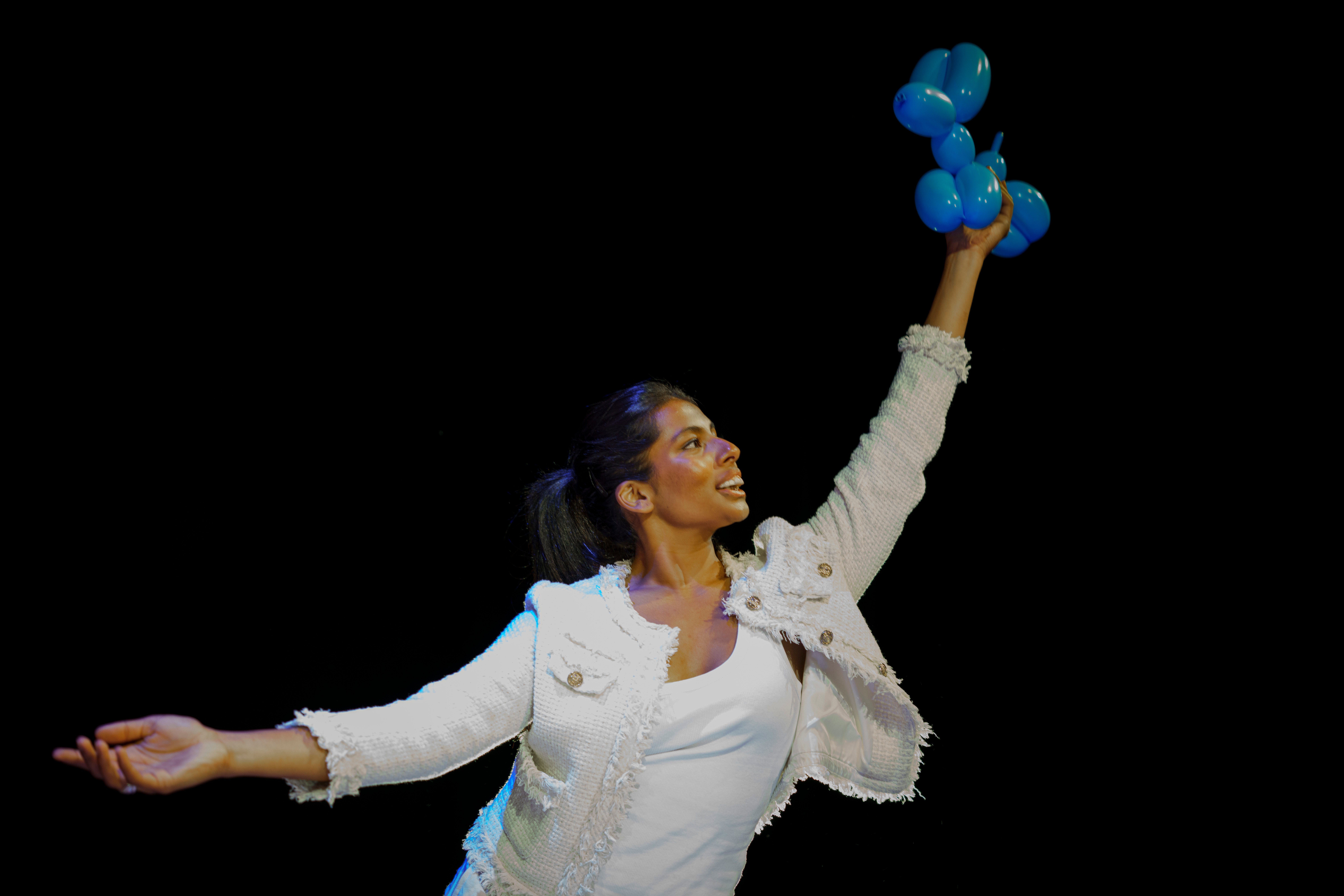
Homavazir believes the production also reflects the growing visibility of South Asian stories in New Zealand's arts sector. He says these stories are becoming increasingly important because they reflect the reality of a more multicultural Aotearoa.
As more South Asian writers, actors and directors gain visibility, these stories are helping reshape what New Zealand theatre looks like, he says.
“I do think the New Zealand arts and theatre industry is becoming more open to South Asian and ethnic voices, especially over the last decade.”
As Balloon Dog continues its national tour, Homavazir hopes audiences leave with a greater sense of empathy and connection.
“I hope audiences leave with a sense of joy, empathy, and openness. At its heart, the story is about human connection, and I hope people walk away feeling a little more connected to one another.”
Click here to book your tickets.



ISSUE


Leave a Comment