




War of Words Has Just Only Begun!
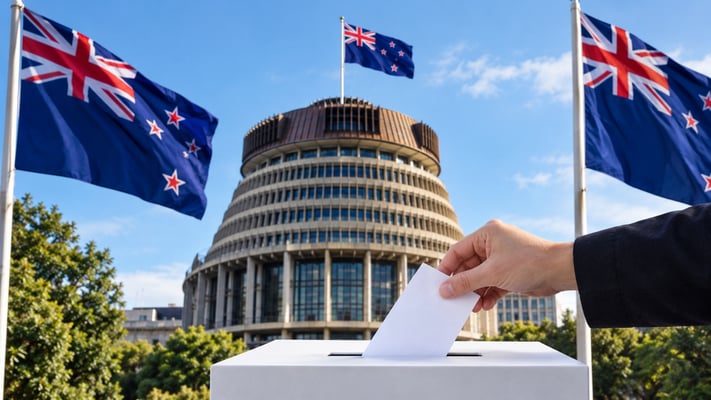



With New Zealand’s general election just little over a month away, the gloves are coming off. Parliament has been dissolved, the formal election process is under way, and voters will go to the polls on November 7.
What initially appeared to be a contest centred on the economy, cost of living, healthcare, public services and jobs is increasingly turning into a battle of accusations, counteraccusations and political mudslinging. The campaign has only just entered its decisive phase, and if the opening exchanges are any indication, the war of words has only just begun.
Prime Minister Christopher Luxon’s National-led centre-right coalition is fighting to retain power against a Labour-led opposition bloc headed by Chris Hipkins. Recent polling suggests an unusually tight contest, with neither side assured of victory and smaller parties potentially holding the balance of power under New Zealand’s Mixed Member Proportional system.
The rhetoric is already becoming sharper. National has made economic management and its “no new taxes” message central to its campaign, portraying itself as the party capable of restoring fiscal discipline and economic growth. Labour, meanwhile, has placed the cost-of-living crisis at the heart of its campaign and has attacked the Government over unemployment, household pressures and public services.
At the parties’ recent campaign launches, the language became distinctly more personal, with accusations of political “bribes”, broken promises and dishonesty entering the debate.
That is politics. Elections are inevitably contests between competing visions, personalities and interests. Political parties everywhere try to expose their opponents’ weaknesses, highlight their own strengths and appeal to voters’ fears and hopes.
But New Zealand should be careful not to allow electioneering to descend into the kind of politics that has become depressingly familiar elsewhere.
India offers a particularly stark comparison. Political confrontation there can sometimes sink to what many critics regard as the lowest level of gutter politics, where personal attacks, character assassination, conspiracy theories and allegations of betrayal overwhelm serious discussion of policy.
The intensity of political rivalry can become so extreme that opponents sometimes appear willing to go against their own people and, at times, even join hands with those portrayed as enemies of the nation. India has a fiercely competitive multiparty democracy, with political parties representing people with very different motives, ideologies and records.
Yet despite being the world’s largest democracy, there are aspects of political morality and public behaviour that Indian politicians could learn from a much smaller country like New Zealand.
The broader lesson for New Zealand is nevertheless important. Opposition is essential to democracy. Criticising a government is not disloyalty; holding those in power accountable is one of democracy’s most important functions. Equally, a government should not automatically portray every criticism from the opposition as an attack on the democracy.
New Zealand has historically benefited from a political culture in which disagreement, although often fierce, generally operates within strong democratic institutions. The current campaign is already testing that tradition. Investors are watching closely for policy reversals, while voters remain concerned about economic uncertainty and the cost of living.
The November 7 election therefore deserves better than a race to the bottom.
Political leaders should attack policies, not make attacks personal. They should never resort to derogatory or abusive language to influence political discourse. They should expose genuine failures, not manufacture false accusations or create fake narratives to mislead voters. Most importantly, they should tell voters what better alternative they offer if elected, rather than simply explaining why the other side deserves to lose.
There is still plenty of time for the campaign to become even more bitter. But New Zealand voters should demand something better: vigorous debate without hatred, accountability without character assassination, and political competition without turning fellow citizens into enemies.
The war of words may have just begun. Let it not become a war against political decency itself.
With New Zealand’s general election just little over a month away, the gloves are coming off. Parliament has been dissolved, the formal election process is under way, and voters will go to the polls on November 7.
What initially appeared to be a contest centred on the economy, cost of living,...
With New Zealand’s general election just little over a month away, the gloves are coming off. Parliament has been dissolved, the formal election process is under way, and voters will go to the polls on November 7.
What initially appeared to be a contest centred on the economy, cost of living, healthcare, public services and jobs is increasingly turning into a battle of accusations, counteraccusations and political mudslinging. The campaign has only just entered its decisive phase, and if the opening exchanges are any indication, the war of words has only just begun.
Prime Minister Christopher Luxon’s National-led centre-right coalition is fighting to retain power against a Labour-led opposition bloc headed by Chris Hipkins. Recent polling suggests an unusually tight contest, with neither side assured of victory and smaller parties potentially holding the balance of power under New Zealand’s Mixed Member Proportional system.
The rhetoric is already becoming sharper. National has made economic management and its “no new taxes” message central to its campaign, portraying itself as the party capable of restoring fiscal discipline and economic growth. Labour, meanwhile, has placed the cost-of-living crisis at the heart of its campaign and has attacked the Government over unemployment, household pressures and public services.
At the parties’ recent campaign launches, the language became distinctly more personal, with accusations of political “bribes”, broken promises and dishonesty entering the debate.
That is politics. Elections are inevitably contests between competing visions, personalities and interests. Political parties everywhere try to expose their opponents’ weaknesses, highlight their own strengths and appeal to voters’ fears and hopes.
But New Zealand should be careful not to allow electioneering to descend into the kind of politics that has become depressingly familiar elsewhere.
India offers a particularly stark comparison. Political confrontation there can sometimes sink to what many critics regard as the lowest level of gutter politics, where personal attacks, character assassination, conspiracy theories and allegations of betrayal overwhelm serious discussion of policy.
The intensity of political rivalry can become so extreme that opponents sometimes appear willing to go against their own people and, at times, even join hands with those portrayed as enemies of the nation. India has a fiercely competitive multiparty democracy, with political parties representing people with very different motives, ideologies and records.
Yet despite being the world’s largest democracy, there are aspects of political morality and public behaviour that Indian politicians could learn from a much smaller country like New Zealand.
The broader lesson for New Zealand is nevertheless important. Opposition is essential to democracy. Criticising a government is not disloyalty; holding those in power accountable is one of democracy’s most important functions. Equally, a government should not automatically portray every criticism from the opposition as an attack on the democracy.
New Zealand has historically benefited from a political culture in which disagreement, although often fierce, generally operates within strong democratic institutions. The current campaign is already testing that tradition. Investors are watching closely for policy reversals, while voters remain concerned about economic uncertainty and the cost of living.
The November 7 election therefore deserves better than a race to the bottom.
Political leaders should attack policies, not make attacks personal. They should never resort to derogatory or abusive language to influence political discourse. They should expose genuine failures, not manufacture false accusations or create fake narratives to mislead voters. Most importantly, they should tell voters what better alternative they offer if elected, rather than simply explaining why the other side deserves to lose.
There is still plenty of time for the campaign to become even more bitter. But New Zealand voters should demand something better: vigorous debate without hatred, accountability without character assassination, and political competition without turning fellow citizens into enemies.
The war of words may have just begun. Let it not become a war against political decency itself.


Related Posts
ISSUE

Leave a Comment