




New Zealand must choose unity over division
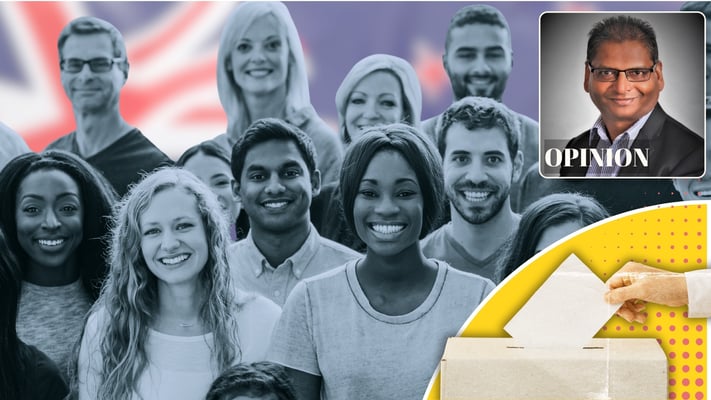



As New Zealand moves closer to the 2026 General Election, we can expect political debate to become louder, sharper and more intense.
That is democracy. Political parties should challenge each other. Governments should be held accountable. Opposition parties should present alternatives, and New Zealanders should be encouraged to debate the issues that matter to our country.
But there should also be a line that we collectively refuse to cross. In my personal view, the targeting, blaming or scapegoating of ethnic communities for political advantage should have no place in New Zealand politics.
Ethnic Communities are part of New Zealand.
New Zealand today is a diverse nation. Our ethnic communities are not separate from New Zealand society. They are part of its fabric. They are our doctors, nurses, teachers, tradespeople, business owners, technology professionals, farmers, students, volunteers and community leaders.
They create businesses, employ people, pay taxes and make a meaningful contribution to our economy. Indian communities collectively contributed $100,000 to support flood relief efforts in Napier and Hastings in 2023. They also bring culture, language, food, festivals and traditions that have become part of modern New Zealand. Many have made enormous sacrifices to build their lives here.
They have raised their children here, established businesses here and contributed countless hours to charitable, sporting, cultural and community organisations. Most importantly, they are proud to call New Zealand home.This does not mean immigration or policies affecting migrant and ethnic communities should be beyond political debate.
Far from it. New Zealanders have every right to debate immigration settings, infrastructure pressures, housing, healthcare, education, employment, crime and the cost of living. These are legitimate public policy issues.
But there is an important distinction between debating policy and blaming people, especially certain community groups.
Debate the Policy, Not the Ethnicity.
Political leaders from across the spectrum carry a particular responsibility during an election year. Words spoken by political leaders receive enormous attention. They influence public debate and can shape attitudes well beyond Parliament. That is why political disagreements should focus on policies, decisions and outcomes rather than ethnicity.
If immigration settings are considered too high or too low, debate the immigration policy. If housing supply is inadequate, debate how we build more homes. If our infrastructure is under pressure, debate investment and planning. If there are concerns about crime, debate policing, prevention, sentencing and rehabilitation.
But we should resist turning entire communities into convenient explanations for complex national problems.
New Zealand’s challenges were not created by one ethnicity, migrant group or community, and they will not be solved by dividing New Zealanders into groups.
Communities also have a responsibility.
The responsibility does not sit with politicians alone.
Community leaders, ethnic organisations, businesses, media and ordinary New Zealanders also have a role to play. When any community is unfairly targeted, we should be prepared to speak up, regardless of which community is affected and regardless of which political party is responsible.
That principle is important.
Condemning divisive politics should not depend on whether it comes from the political left, centre or right. If we genuinely believe in an inclusive New Zealand, the same standard must apply to everyone.
At the same time, ethnic communities should participate confidently in our democracy.
We should encourage people to vote, understand the policies of different parties, attend candidate meetings, ask difficult questions and engage respectfully with political leaders. Our communities should not be afraid of robust political debate. We should welcome it.
What we should reject is the suggestion that someone’s ethnicity makes them less entitled to belong or contribute to New Zealand.
The New Zealand We Want After November 2026 Election Day
Elections come and go. Governments change. Political leaders change. But when the campaign posters come down and the votes have been counted, we still have to live together as neighbours, colleagues, friends and fellow New Zealanders. That is worth remembering during the heat of an election campaign.
The words used to win votes can leave consequences long after election day.
The 2026 General Election should therefore be a contest of policies, ideas, competence and leadership.
Political parties should tell us how they will grow the economy, improve productivity, reduce the cost of living, strengthen healthcare and education, build infrastructure, keep communities safe and create opportunities for the next generation.
Let them compete vigorously on those ideas.
But people’s ethnicity should never become a political weapon.
Our diversity does not prevent us from having difficult conversations. We can disagree strongly and still respect one another.
That, in fact, is one of the strengths of democracy. Whatever our ethnicity, birthplace, religion or political preference, we share an interest in building a safe, prosperous and united New Zealand. We will not agree on everything, nor should we. But there is one principle around which we should be able to unite.
No New Zealander should be made to feel that they belong here any less because of their ethnicity.
As we approach the 2026 election, political leaders and communities alike have an opportunity to demonstrate that vigorous democracy and social unity can exist together.
Let us debate strongly. Let us disagree respectfully. Let us hold our leaders accountable.
But let us never allow political differences to turn New Zealanders against one another.
We are stronger when we stand together. Let’s keep New Zealand united.
Narendra Bhana KSM is a community leader in New Zealand
As New Zealand moves closer to the 2026 General Election, we can expect political debate to become louder, sharper and more intense.That is democracy. Political parties should challenge each other. Governments should be held accountable. Opposition parties should present alternatives, and New...
As New Zealand moves closer to the 2026 General Election, we can expect political debate to become louder, sharper and more intense.
That is democracy. Political parties should challenge each other. Governments should be held accountable. Opposition parties should present alternatives, and New Zealanders should be encouraged to debate the issues that matter to our country.
But there should also be a line that we collectively refuse to cross. In my personal view, the targeting, blaming or scapegoating of ethnic communities for political advantage should have no place in New Zealand politics.
Ethnic Communities are part of New Zealand.
New Zealand today is a diverse nation. Our ethnic communities are not separate from New Zealand society. They are part of its fabric. They are our doctors, nurses, teachers, tradespeople, business owners, technology professionals, farmers, students, volunteers and community leaders.
They create businesses, employ people, pay taxes and make a meaningful contribution to our economy. Indian communities collectively contributed $100,000 to support flood relief efforts in Napier and Hastings in 2023. They also bring culture, language, food, festivals and traditions that have become part of modern New Zealand. Many have made enormous sacrifices to build their lives here.
They have raised their children here, established businesses here and contributed countless hours to charitable, sporting, cultural and community organisations. Most importantly, they are proud to call New Zealand home.This does not mean immigration or policies affecting migrant and ethnic communities should be beyond political debate.
Far from it. New Zealanders have every right to debate immigration settings, infrastructure pressures, housing, healthcare, education, employment, crime and the cost of living. These are legitimate public policy issues.
But there is an important distinction between debating policy and blaming people, especially certain community groups.
Debate the Policy, Not the Ethnicity.
Political leaders from across the spectrum carry a particular responsibility during an election year. Words spoken by political leaders receive enormous attention. They influence public debate and can shape attitudes well beyond Parliament. That is why political disagreements should focus on policies, decisions and outcomes rather than ethnicity.
If immigration settings are considered too high or too low, debate the immigration policy. If housing supply is inadequate, debate how we build more homes. If our infrastructure is under pressure, debate investment and planning. If there are concerns about crime, debate policing, prevention, sentencing and rehabilitation.
But we should resist turning entire communities into convenient explanations for complex national problems.
New Zealand’s challenges were not created by one ethnicity, migrant group or community, and they will not be solved by dividing New Zealanders into groups.
Communities also have a responsibility.
The responsibility does not sit with politicians alone.
Community leaders, ethnic organisations, businesses, media and ordinary New Zealanders also have a role to play. When any community is unfairly targeted, we should be prepared to speak up, regardless of which community is affected and regardless of which political party is responsible.
That principle is important.
Condemning divisive politics should not depend on whether it comes from the political left, centre or right. If we genuinely believe in an inclusive New Zealand, the same standard must apply to everyone.
At the same time, ethnic communities should participate confidently in our democracy.
We should encourage people to vote, understand the policies of different parties, attend candidate meetings, ask difficult questions and engage respectfully with political leaders. Our communities should not be afraid of robust political debate. We should welcome it.
What we should reject is the suggestion that someone’s ethnicity makes them less entitled to belong or contribute to New Zealand.
The New Zealand We Want After November 2026 Election Day
Elections come and go. Governments change. Political leaders change. But when the campaign posters come down and the votes have been counted, we still have to live together as neighbours, colleagues, friends and fellow New Zealanders. That is worth remembering during the heat of an election campaign.
The words used to win votes can leave consequences long after election day.
The 2026 General Election should therefore be a contest of policies, ideas, competence and leadership.
Political parties should tell us how they will grow the economy, improve productivity, reduce the cost of living, strengthen healthcare and education, build infrastructure, keep communities safe and create opportunities for the next generation.
Let them compete vigorously on those ideas.
But people’s ethnicity should never become a political weapon.
Our diversity does not prevent us from having difficult conversations. We can disagree strongly and still respect one another.
That, in fact, is one of the strengths of democracy. Whatever our ethnicity, birthplace, religion or political preference, we share an interest in building a safe, prosperous and united New Zealand. We will not agree on everything, nor should we. But there is one principle around which we should be able to unite.
No New Zealander should be made to feel that they belong here any less because of their ethnicity.
As we approach the 2026 election, political leaders and communities alike have an opportunity to demonstrate that vigorous democracy and social unity can exist together.
Let us debate strongly. Let us disagree respectfully. Let us hold our leaders accountable.
But let us never allow political differences to turn New Zealanders against one another.
We are stronger when we stand together. Let’s keep New Zealand united.
Narendra Bhana KSM is a community leader in New Zealand



Related Posts
ISSUE

Leave a Comment