




New Zealand Heads for a Tight Vote!
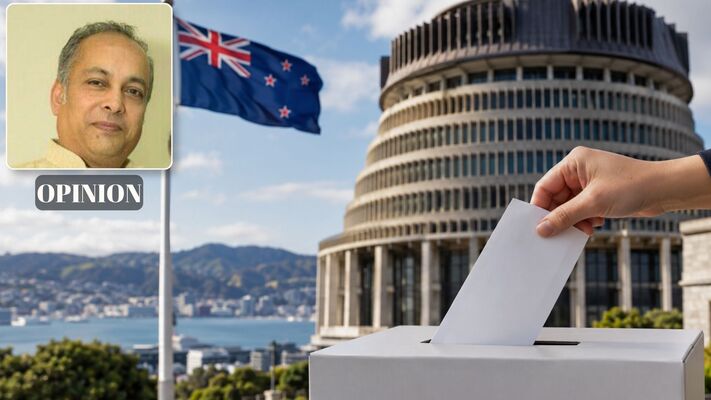


With the election approaching, New Zealand voters face a tight contest, shifting political loyalties and difficult questions about who will govern next.
New Zealand is heading towards one of its most unpredictable general elections in recent years, with uncertainty surrounding the major parties, the strength of smaller political players and the shape of the next government.
With election day scheduled for November 7, the campaign is entering a decisive phase. Yet rather than a clear contest between two competing political visions, voters are witnessing a closely fought battle in which neither major party appears assured of victory.
The latest polling figures underline the uncertainty. National and Labour are running neck and neck, while the Greens, ACT, New Zealand First and The Opportunities Party could play crucial roles in determining the outcome.
A recent polling average published on October 18 placed both National and Labour at 28.6 per cent, highlighting just how evenly divided the electorate remains.
For Prime Minister Christopher Luxon, the election is a test of whether his National-led coalition can secure another term. For Labour leader Chris Hipkins, it is an opportunity to convince voters that a change of government would offer a better response to the economic and social challenges facing the country.
However, neither side can afford to take voter support for granted.
The cost of living, housing affordability, employment, healthcare and the state of the economy remain among the major concerns shaping the campaign.
Many households continue to feel financial pressure, while businesses are looking for stronger economic growth and greater certainty. The Government argues that its policies will improve economic performance and restore confidence. Labour,
meanwhile, has challenged the Government's record, arguing that many New Zealanders are still struggling to make ends meet.
For voters, the question is not simply which party makes the strongest promises, but which one can deliver practical improvements to everyday life.
After three years of government, National must convince the electorate that its policies need more time to produce results. Labour must demonstrate that its alternative is credible, affordable and capable of addressing the country's economic difficulties.
New Zealand's Mixed Member Proportional (MMP) electoral system makes the contest more complicated. Winning the largest share of the party vote does not automatically guarantee the ability to govern. Parties must secure enough parliamentary support to command a majority.
That is where the smaller parties become particularly important.
ACT and New Zealand First remain essential potential partners for a National-led administration, while the Greens and Te Pāti Māori could help Labour assemble a governing majority.
The Opportunities Party has also emerged as a significant factor, with polling suggesting it could win enough support to enter Parliament.
The uncertainty is compounded by the difficulty of predicting how these parties might negotiate after the election. Their policy differences, political ambitions and willingness to compromise could prove just as important as the final vote count.
Consequently, voters are not only deciding which party they prefer. They are also influencing which combinations of parties might ultimately form the next government.
Leadership will also matter. Luxon needs to demonstrate that he can retain public confidence and manage the competing priorities of his coalition partners.
Hipkins must show that Labour can regain trust and offer a convincing alternative.
Meanwhile, Winston Peters and David Seymour will be looking to maximise their parties' influence in any post-election negotiations.
As the campaign progresses, political messaging is becoming sharper, with parties seeking to mobilise their supporters and attract undecided voters.
But negative campaigning, competing claims and political rhetoric can also make it harder for the public to distinguish between genuine policy differences and electioneering.
The uncertainty is not necessarily a sign of a failing democracy. It can reflect a diverse electorate with different expectations, priorities and political preferences.
Nevertheless, prolonged uncertainty over the next government could create challenges for economic planning, public services and business confidence.
Ultimately, the election should be about more than political survival or which leader occupies the Beehive. It should be about the direction New Zealand wants to take, the quality of its public services, economic opportunities and the future it can offer
the next generation.
With the major parties struggling to establish a decisive lead, the final verdict rests with voters. Until the ballots are counted and the coalition arithmetic becomes clear, speculation will continue.
One thing is certain: New Zealand's next government may be determined as much by the choices made at the ballot box as by the negotiations that follow.
With the election approaching, New Zealand voters face a tight contest, shifting political loyalties and difficult questions about who will govern next.New Zealand is heading towards one of its most unpredictable general elections in recent years, with uncertainty surrounding the major parties, the...
With the election approaching, New Zealand voters face a tight contest, shifting political loyalties and difficult questions about who will govern next.
New Zealand is heading towards one of its most unpredictable general elections in recent years, with uncertainty surrounding the major parties, the strength of smaller political players and the shape of the next government.
With election day scheduled for November 7, the campaign is entering a decisive phase. Yet rather than a clear contest between two competing political visions, voters are witnessing a closely fought battle in which neither major party appears assured of victory.
The latest polling figures underline the uncertainty. National and Labour are running neck and neck, while the Greens, ACT, New Zealand First and The Opportunities Party could play crucial roles in determining the outcome.
A recent polling average published on October 18 placed both National and Labour at 28.6 per cent, highlighting just how evenly divided the electorate remains.
For Prime Minister Christopher Luxon, the election is a test of whether his National-led coalition can secure another term. For Labour leader Chris Hipkins, it is an opportunity to convince voters that a change of government would offer a better response to the economic and social challenges facing the country.
However, neither side can afford to take voter support for granted.
The cost of living, housing affordability, employment, healthcare and the state of the economy remain among the major concerns shaping the campaign.
Many households continue to feel financial pressure, while businesses are looking for stronger economic growth and greater certainty. The Government argues that its policies will improve economic performance and restore confidence. Labour,
meanwhile, has challenged the Government's record, arguing that many New Zealanders are still struggling to make ends meet.
For voters, the question is not simply which party makes the strongest promises, but which one can deliver practical improvements to everyday life.
After three years of government, National must convince the electorate that its policies need more time to produce results. Labour must demonstrate that its alternative is credible, affordable and capable of addressing the country's economic difficulties.
New Zealand's Mixed Member Proportional (MMP) electoral system makes the contest more complicated. Winning the largest share of the party vote does not automatically guarantee the ability to govern. Parties must secure enough parliamentary support to command a majority.
That is where the smaller parties become particularly important.
ACT and New Zealand First remain essential potential partners for a National-led administration, while the Greens and Te Pāti Māori could help Labour assemble a governing majority.
The Opportunities Party has also emerged as a significant factor, with polling suggesting it could win enough support to enter Parliament.
The uncertainty is compounded by the difficulty of predicting how these parties might negotiate after the election. Their policy differences, political ambitions and willingness to compromise could prove just as important as the final vote count.
Consequently, voters are not only deciding which party they prefer. They are also influencing which combinations of parties might ultimately form the next government.
Leadership will also matter. Luxon needs to demonstrate that he can retain public confidence and manage the competing priorities of his coalition partners.
Hipkins must show that Labour can regain trust and offer a convincing alternative.
Meanwhile, Winston Peters and David Seymour will be looking to maximise their parties' influence in any post-election negotiations.
As the campaign progresses, political messaging is becoming sharper, with parties seeking to mobilise their supporters and attract undecided voters.
But negative campaigning, competing claims and political rhetoric can also make it harder for the public to distinguish between genuine policy differences and electioneering.
The uncertainty is not necessarily a sign of a failing democracy. It can reflect a diverse electorate with different expectations, priorities and political preferences.
Nevertheless, prolonged uncertainty over the next government could create challenges for economic planning, public services and business confidence.
Ultimately, the election should be about more than political survival or which leader occupies the Beehive. It should be about the direction New Zealand wants to take, the quality of its public services, economic opportunities and the future it can offer
the next generation.
With the major parties struggling to establish a decisive lead, the final verdict rests with voters. Until the ballots are counted and the coalition arithmetic becomes clear, speculation will continue.
One thing is certain: New Zealand's next government may be determined as much by the choices made at the ballot box as by the negotiations that follow.


Related Posts
ISSUE


Leave a Comment