


Love your liver: A practical guide to natural recovery
The liver is your body’s ultimate multitasker—acting as a filter, a fuel store, and a chemical processing plant all at once.However, in an era of processed foods and environmental stressors, this powerhouse can become overworked.
While the term "detox" is often associated with restrictive juice cleanses, true liver recovery is about supporting the organ’s natural regenerative abilities through consistent, thoughtful habits.
How to Facilitate Recovery
Recovery starts with reduction. To give your liver a "breather," the first step is to minimize the intake of substances that force it to work overtime. This includes alcohol, refined sugars, and highly processed fats. When these inputs decrease, the liver can shift its energy from constant crisis management to cellular repair.
Hydration is equally critical. Water helps the liver move toxins through your system and into your kidneys for excretion.Aim for consistency rather than volume; sipping water throughout the day is more effective than "flooding" your system all at once.
The Liver-Recovery Menu
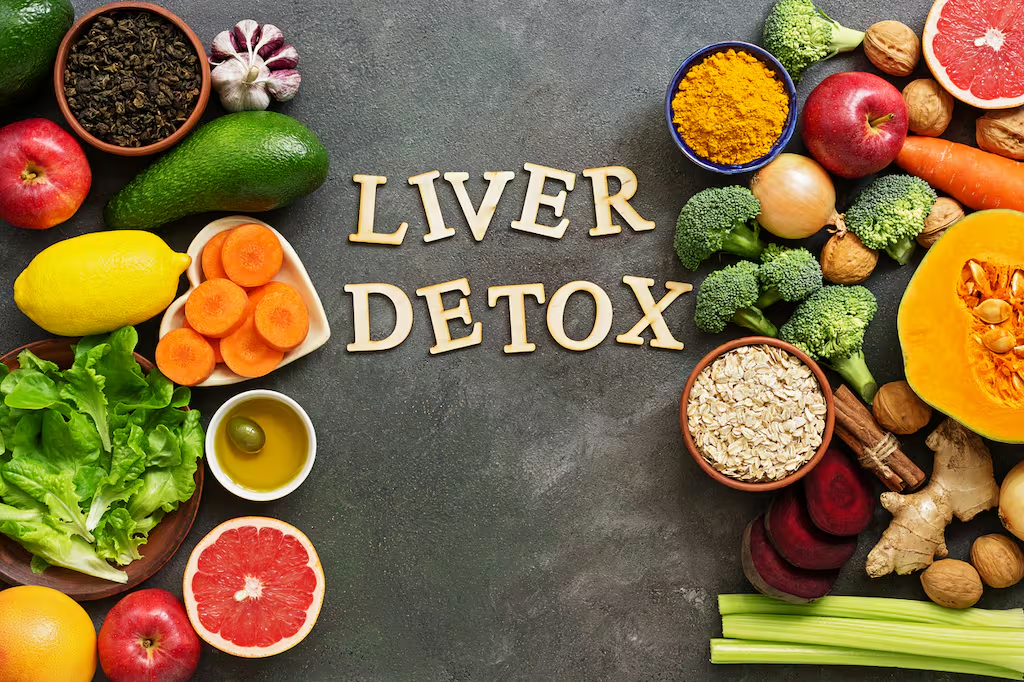
To actively support your liver, focus on foods rich in antioxidants and sulfur. Sulfur-rich vegetables like broccoli, Brussels sprouts, and garlic help the liver produce glutathione, a master antioxidant that neutralizes harmful molecules.
-
Leafy Greens: Spinach and kale are packed with chlorophyll, which helps neutralize heavy metals and pesticides
-
Bitter Foods: Ingredients like arugula, dandelion greens, and grapefruit stimulate bile production, which is essential for digesting fats and removing waste.
-
Healthy Fats: Swap saturated fats for Omega-3s found in walnuts and flaxseeds to reduce inflammation within liver tissues.
A Sustainable Approach
The liver is remarkably resilient—it is the only organ capable of complete regeneration. By shifting from a "quick fix" mentality to a lifestyle of metabolic support, you aren't just detoxing; you are rebuilding. Focus on whole foods, quality sleep, and movement to ensure your liver remains your body’s strongest ally for years to come.
The liver is your body’s ultimate multitasker—acting as a filter, a fuel store, and a chemical processing plant all at once.However, in an era of processed foods and environmental stressors, this powerhouse can become overworked.
While the term "detox" is often associated with restrictive juice...
The liver is your body’s ultimate multitasker—acting as a filter, a fuel store, and a chemical processing plant all at once.However, in an era of processed foods and environmental stressors, this powerhouse can become overworked.
While the term "detox" is often associated with restrictive juice cleanses, true liver recovery is about supporting the organ’s natural regenerative abilities through consistent, thoughtful habits.
How to Facilitate Recovery
Recovery starts with reduction. To give your liver a "breather," the first step is to minimize the intake of substances that force it to work overtime. This includes alcohol, refined sugars, and highly processed fats. When these inputs decrease, the liver can shift its energy from constant crisis management to cellular repair.
Hydration is equally critical. Water helps the liver move toxins through your system and into your kidneys for excretion.Aim for consistency rather than volume; sipping water throughout the day is more effective than "flooding" your system all at once.
The Liver-Recovery Menu
To actively support your liver, focus on foods rich in antioxidants and sulfur. Sulfur-rich vegetables like broccoli, Brussels sprouts, and garlic help the liver produce glutathione, a master antioxidant that neutralizes harmful molecules.
-
Leafy Greens: Spinach and kale are packed with chlorophyll, which helps neutralize heavy metals and pesticides
-
Bitter Foods: Ingredients like arugula, dandelion greens, and grapefruit stimulate bile production, which is essential for digesting fats and removing waste.
-
Healthy Fats: Swap saturated fats for Omega-3s found in walnuts and flaxseeds to reduce inflammation within liver tissues.
A Sustainable Approach
The liver is remarkably resilient—it is the only organ capable of complete regeneration. By shifting from a "quick fix" mentality to a lifestyle of metabolic support, you aren't just detoxing; you are rebuilding. Focus on whole foods, quality sleep, and movement to ensure your liver remains your body’s strongest ally for years to come.


Leave a Comment