

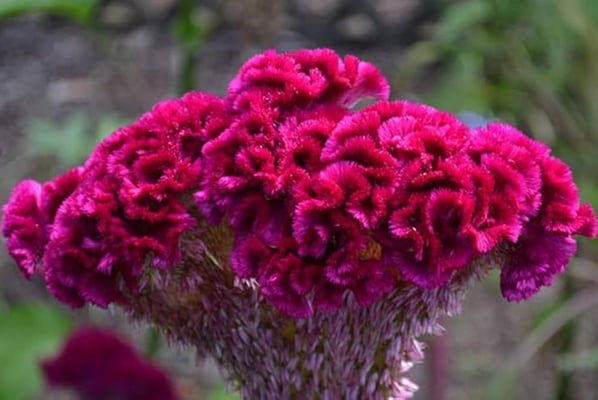

Mawal: A Traditional Ingredient With Modern Health Appeal
Mawal, commonly known as the cockscomb flower, is gaining renewed attention for its nutritional value and traditional significance.
Long used in Indian kitchens—particularly in Kashmiri cuisine—this vibrant dried flower is now being recognised for both its culinary and wellness benefits.
Mawal has been appreciated for centuries for its ability to add natural colour and a subtle earthy tone to dishes. Beyond its visual appeal, it carries a range of health-supporting properties that align well with today’s preference for clean, natural ingredients.
A Traditional Ingredient With Cultural Depth
For many Indians, Mawal evokes memories of authentic regional cooking. Its natural red pigment makes it a preferred alternative to synthetic food colouring, especially in traditional curries and slow-cooked dishes. As awareness grows around natural, preservative-free foods, Mawal is once again emerging as a valued pantry ingredient.
Key Health Benefits of Mawal
According to the feature, research and traditional use highlight several potential health advantages:
1. Supports Skin Health
Mawal contains antioxidants that help protect the skin from environmental stress and aging.
2. Contributes to Eye Health
Its natural Vitamin A content may help maintain good vision, particularly relevant in an increasingly screen-heavy lifestyle.
3. Aids Digestion
The flower has mild digestive-support properties and may help ease common discomforts such as bloating.
4. Anti-Inflammatory Potential
Certain compounds in the flower exhibit anti-inflammatory effects, which may be beneficial for joint or muscle concerns.
5. Rich in Natural Antioxidants
Its betalain pigments help combat oxidative stress, which is linked to overall long-term health and immunity.
Culinary Uses and Versatility
Mawal’s culinary use extends beyond traditional recipes. It can be incorporated in various ways:
-
As a natural colourant in curries and rice dishes
-
Added to soups or broths for depth
-
Blended into spice mixes
-
Used in festive or celebratory recipes requiring natural colour
Its ability to add flavour and colour without additives makes it increasingly appealing to those seeking more natural cooking alternatives.
A Bridge Between Tradition and Modern Wellness
What sets Mawal apart is its dual identity—as a cultural ingredient tied to traditional Indian cuisine and as a modern wellness enhancer supported by emerging research. Its return to relevance reflects a broader trend of rediscovering traditional foods that offer both taste and health benefits.
As interest grows, Mawal stands out as a versatile, nutrient-rich ingredient that blends heritage with contemporary nutritional awareness.
Mawal, commonly known as the cockscomb flower, is gaining renewed attention for its nutritional value and traditional significance.
Long used in Indian kitchens—particularly in Kashmiri cuisine—this vibrant dried flower is now being recognised for both its culinary and wellness benefits.
Mawal...
Mawal, commonly known as the cockscomb flower, is gaining renewed attention for its nutritional value and traditional significance.
Long used in Indian kitchens—particularly in Kashmiri cuisine—this vibrant dried flower is now being recognised for both its culinary and wellness benefits.
Mawal has been appreciated for centuries for its ability to add natural colour and a subtle earthy tone to dishes. Beyond its visual appeal, it carries a range of health-supporting properties that align well with today’s preference for clean, natural ingredients.
A Traditional Ingredient With Cultural Depth
For many Indians, Mawal evokes memories of authentic regional cooking. Its natural red pigment makes it a preferred alternative to synthetic food colouring, especially in traditional curries and slow-cooked dishes. As awareness grows around natural, preservative-free foods, Mawal is once again emerging as a valued pantry ingredient.
Key Health Benefits of Mawal
According to the feature, research and traditional use highlight several potential health advantages:
1. Supports Skin Health
Mawal contains antioxidants that help protect the skin from environmental stress and aging.
2. Contributes to Eye Health
Its natural Vitamin A content may help maintain good vision, particularly relevant in an increasingly screen-heavy lifestyle.
3. Aids Digestion
The flower has mild digestive-support properties and may help ease common discomforts such as bloating.
4. Anti-Inflammatory Potential
Certain compounds in the flower exhibit anti-inflammatory effects, which may be beneficial for joint or muscle concerns.
5. Rich in Natural Antioxidants
Its betalain pigments help combat oxidative stress, which is linked to overall long-term health and immunity.
Culinary Uses and Versatility
Mawal’s culinary use extends beyond traditional recipes. It can be incorporated in various ways:
-
As a natural colourant in curries and rice dishes
-
Added to soups or broths for depth
-
Blended into spice mixes
-
Used in festive or celebratory recipes requiring natural colour
Its ability to add flavour and colour without additives makes it increasingly appealing to those seeking more natural cooking alternatives.
A Bridge Between Tradition and Modern Wellness
What sets Mawal apart is its dual identity—as a cultural ingredient tied to traditional Indian cuisine and as a modern wellness enhancer supported by emerging research. Its return to relevance reflects a broader trend of rediscovering traditional foods that offer both taste and health benefits.
As interest grows, Mawal stands out as a versatile, nutrient-rich ingredient that blends heritage with contemporary nutritional awareness.




Leave a Comment