


India-US trade talks deadlocked in row over ‘missed’ call
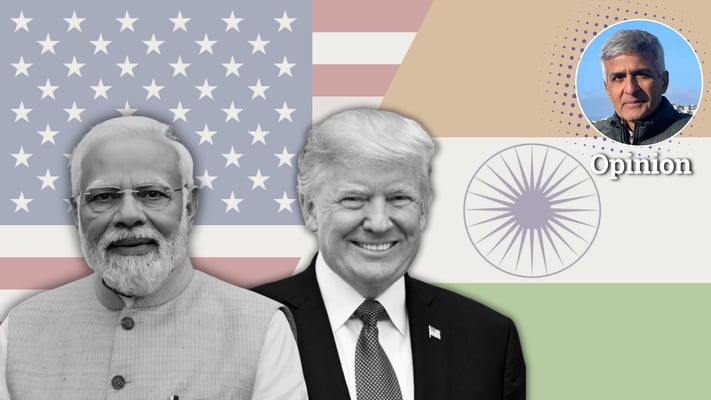
Bilateral talks between India and the United States to close a trade deal have stalled over something as inane as a phone call.
US Commerce Secretary Howard Lutnick’s recent remark that an anticipated phone call that Indian Prime Minister Narendra Modi did not make to US President Donald Trump resulted in a missed opportunity to seal a deal.
New Delhi pooh-poohed the claim, with the Ministry of External Affairs (MEA) issuing a formal rebuttal questioning the “accuracy” of Lutnick’s account of the circumstances leading to the current stalemate. India also reiterated its priority of meeting the security needs of the country’s 1.42 billion population through oil imports.
The initiative to boost trade between the two countries goes back to the Trump-Modi meeting at the White House on February 13, 2025. The aim was to more than double bilateral trade in goods and services from USD 210 billion in 2024 to $500 billion by 2030. Towards this end, a “mutually beneficial, multi-sector Bilateral Trade Agreement (BTA)” was supposed to be in place by 2025.
In a show of good faith, India cut tariffs on American imports such as high-end motorcycles, luxury cars, and some electronic goods.
But the two countries failed to capitalise on the goodwill of that early engagement. Not impressed by the tariff cuts offered by India, the US pressed for cuts in the agricultural sector, a no-go area for India.
There is also a geopolitical dimension to the trade talks. The US and India have an active partnership in the Indo-Pacific region.
Both are members of the Quad group, comprising Australia, Japan, the US, and India, aimed at countering the growing influence of China in the region. Therefore, a US-India trade deal is of strategic importance to both countries.
Given Lutnick’s hawkish posture towards India, despite New Delhi’s commitment to reaching a trade accord without compromising its key sectors such as agriculture and dairy, it would not be an overstatement to say that the Trump administration is bent on exacting a penalty for India’s continued reliance on cheap crude from Russia.
To counter the pressure campaign launched by the White House, India has adopted a tactical approach by reducing its oil imports from Russia and stepping up its energy purchases from the US.
According to data sourced to the Indian Commerce Ministry, Indian oil purchases from Russia, which stood at USD 3.72 billion in November, showed a decline in the month of December.
India is committed to raising energy purchases from the US from $15 billion to $25 billion.
But Washington is signalling a lack of appreciation for New Delhi’s willingness to accommodate the Trump administration’s trenchant opposition to oil purchases from Russia, which it perceives as fuelling the war in Ukraine.
The Trump administration has little patience with India’s foreign policy of maintaining equidistance between Moscow and Washington. Trading with Russia is a blind spot for Trump as he aggressively pursues a trade policy that hinges on reward and penalty.
Thus, Indonesia and Vietnam have closed trade deals with the US even though these countries were behind India in the negotiations queue.
Trump imposed 50% tariffs on Indian goods last August, penalising India for its Russian oil imports, prompting Indian oil refineries to cut oil purchases from Russia.
Despite the 50% tariffs, India’s goods exports to the US rose by almost 22% in November compared to the previous year.
Trump has warned of further increases on tariffs if Delhi keeps up its purchase of Russian oil.
Lutnick’s inflammatory comments come on the heels of a Republican-backed Russia sanctions bill tabled in the US Congress, which raises the stakes for countries trading with Moscow.
Indian exporters are also standing by for an imminent US Supreme Court ruling on the legality of the Trump administration’s tariff hike. But even in the event of an adverse court ruling, Trump has other levers of executive authority that he can pull to have his way.
New Delhi’s cautious diplomatic response to the Trump administration’s aggressive trade policies has not brought the two countries any closer to inking a trade deal. US Commerce Secretary Lutnick’s latest barb is aimed at forcing India to toe the US line that risks making New Delhi appear a pliant trading partner.

Venu Menon is a senior journalist based in Wellington. He was Consulting Editor of The Hindu in India prior to moving to New Zealand
Bilateral talks between India and the United States to close a trade deal have stalled over something as inane as a phone call.
US Commerce Secretary Howard Lutnick’s recent remark that an anticipated phone call that Indian Prime Minister Narendra Modi did not make to US President Donald Trump...
Bilateral talks between India and the United States to close a trade deal have stalled over something as inane as a phone call.
US Commerce Secretary Howard Lutnick’s recent remark that an anticipated phone call that Indian Prime Minister Narendra Modi did not make to US President Donald Trump resulted in a missed opportunity to seal a deal.
New Delhi pooh-poohed the claim, with the Ministry of External Affairs (MEA) issuing a formal rebuttal questioning the “accuracy” of Lutnick’s account of the circumstances leading to the current stalemate. India also reiterated its priority of meeting the security needs of the country’s 1.42 billion population through oil imports.
The initiative to boost trade between the two countries goes back to the Trump-Modi meeting at the White House on February 13, 2025. The aim was to more than double bilateral trade in goods and services from USD 210 billion in 2024 to $500 billion by 2030. Towards this end, a “mutually beneficial, multi-sector Bilateral Trade Agreement (BTA)” was supposed to be in place by 2025.
In a show of good faith, India cut tariffs on American imports such as high-end motorcycles, luxury cars, and some electronic goods.
But the two countries failed to capitalise on the goodwill of that early engagement. Not impressed by the tariff cuts offered by India, the US pressed for cuts in the agricultural sector, a no-go area for India.
There is also a geopolitical dimension to the trade talks. The US and India have an active partnership in the Indo-Pacific region.
Both are members of the Quad group, comprising Australia, Japan, the US, and India, aimed at countering the growing influence of China in the region. Therefore, a US-India trade deal is of strategic importance to both countries.
Given Lutnick’s hawkish posture towards India, despite New Delhi’s commitment to reaching a trade accord without compromising its key sectors such as agriculture and dairy, it would not be an overstatement to say that the Trump administration is bent on exacting a penalty for India’s continued reliance on cheap crude from Russia.
To counter the pressure campaign launched by the White House, India has adopted a tactical approach by reducing its oil imports from Russia and stepping up its energy purchases from the US.
According to data sourced to the Indian Commerce Ministry, Indian oil purchases from Russia, which stood at USD 3.72 billion in November, showed a decline in the month of December.
India is committed to raising energy purchases from the US from $15 billion to $25 billion.
But Washington is signalling a lack of appreciation for New Delhi’s willingness to accommodate the Trump administration’s trenchant opposition to oil purchases from Russia, which it perceives as fuelling the war in Ukraine.
The Trump administration has little patience with India’s foreign policy of maintaining equidistance between Moscow and Washington. Trading with Russia is a blind spot for Trump as he aggressively pursues a trade policy that hinges on reward and penalty.
Thus, Indonesia and Vietnam have closed trade deals with the US even though these countries were behind India in the negotiations queue.
Trump imposed 50% tariffs on Indian goods last August, penalising India for its Russian oil imports, prompting Indian oil refineries to cut oil purchases from Russia.
Despite the 50% tariffs, India’s goods exports to the US rose by almost 22% in November compared to the previous year.
Trump has warned of further increases on tariffs if Delhi keeps up its purchase of Russian oil.
Lutnick’s inflammatory comments come on the heels of a Republican-backed Russia sanctions bill tabled in the US Congress, which raises the stakes for countries trading with Moscow.
Indian exporters are also standing by for an imminent US Supreme Court ruling on the legality of the Trump administration’s tariff hike. But even in the event of an adverse court ruling, Trump has other levers of executive authority that he can pull to have his way.
New Delhi’s cautious diplomatic response to the Trump administration’s aggressive trade policies has not brought the two countries any closer to inking a trade deal. US Commerce Secretary Lutnick’s latest barb is aimed at forcing India to toe the US line that risks making New Delhi appear a pliant trading partner.
Venu Menon is a senior journalist based in Wellington. He was Consulting Editor of The Hindu in India prior to moving to New Zealand


Leave a Comment