
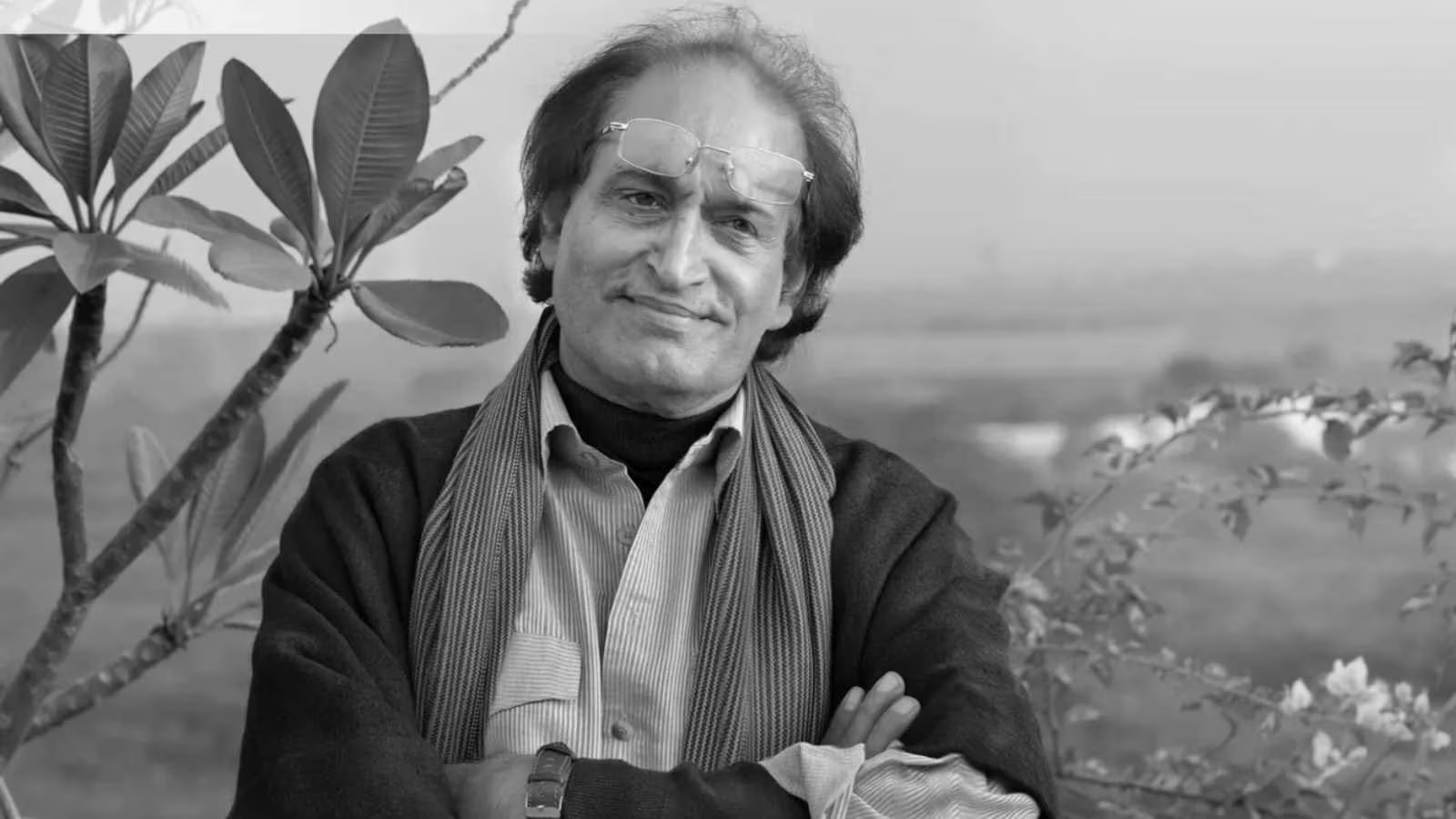

The man who captured India’s soul: Raghu Rai dies at 83
One of the most prolific visual chroniclers of contemporary India, Raghu Rai brought life to every image he captured, leaving behind a legacy that defined generations of storytelling through the lens. Reported by The Indian Express
According to The Indian Express.. Rai’s journey into photography began almost by chance. Trained as a civil engineer, he was on a professional break when a visit to his brother, photographer S Paul, in Delhi during the 1960s introduced him to the art form.
During a trip to a village in Haryana with a friend, he clicked one of his earliest photographs—a donkey looking directly into the camera. Struck by its impact, S Paul sent the image to The Times in London, where it was published.
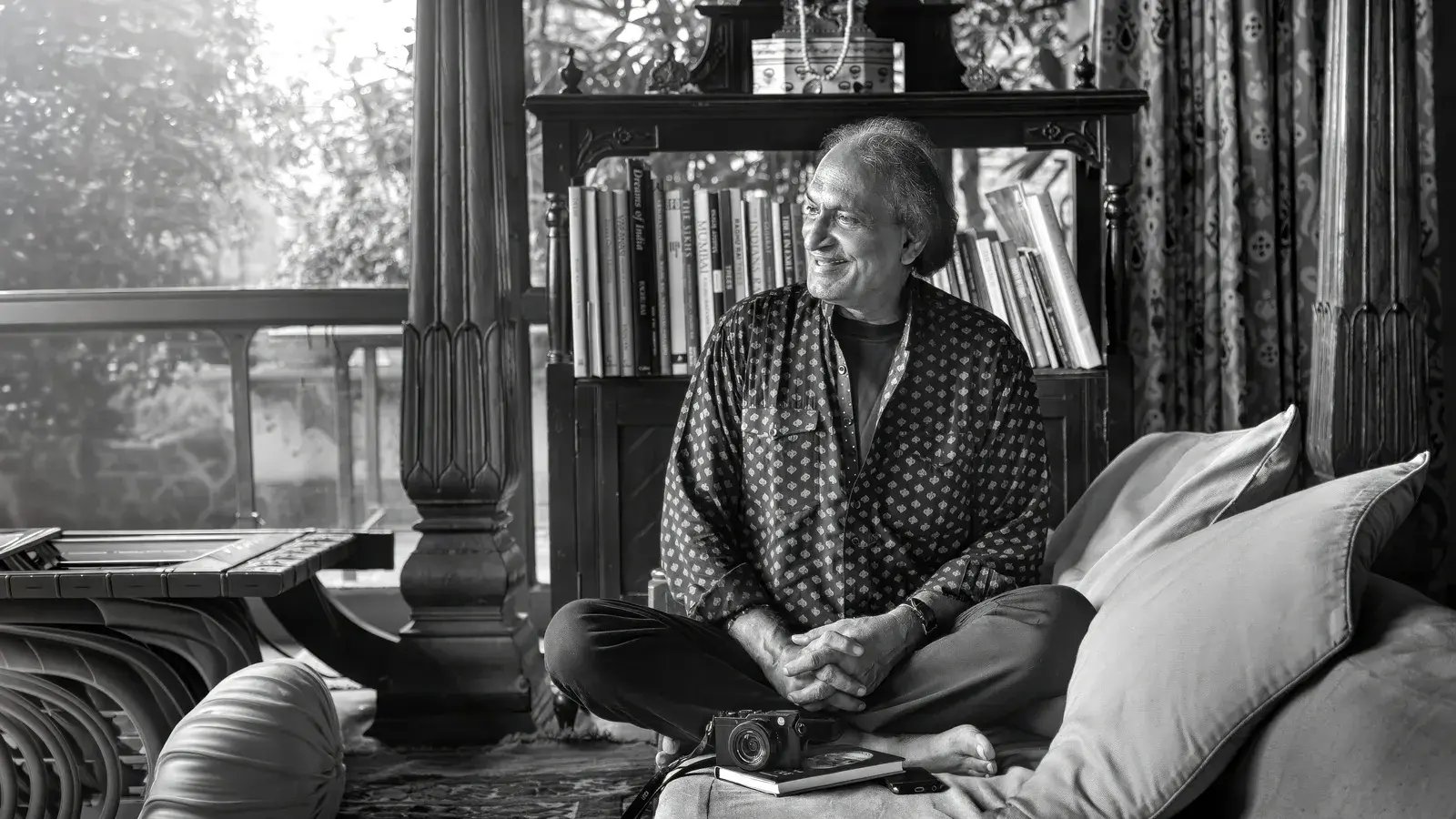
That moment not only earned Rai prize money but also marked the beginning of a lifelong career in photography. Rai passed away in Delhi on April 26 at the age of 83.
Known for his tenacity, sharp observation, and deep curiosity, Rai infused each photograph with a sense of life and emotion, capturing the very pulse of the nation.
Reflecting on his journey, he once said, “More than a professional photographer, I became an explorer of life,” in an interview with The Indian Express in 2024. While his life has come to an end, the moments he preserved continue to live on through an extraordinary archive that spans photojournalism, documentation, and portraits of some of the most influential figures across politics, culture, and society.
Over a career spanning more than five decades, Rai worked as a photojournalist across several newsrooms, carrying with him an intuitive and deeply human approach to storytelling. In the same 2024 interview, he remarked, “If responsible journalism is the first draft of history, then photojournalism is the first evidence of that history being lived.
The sanctity of my profession requires that the photographs go into the depths of daily life of people’s emotions and their responses to situations and capture that in any given time or space. I am not here to make pretty pictures or documentary pictures that just impart information.”
Across seven decades, the Padma Shri awardee (1972) documented pivotal moments in India’s history. His work included powerful images of Jarnail Singh Bhindranwale at Amritsar’s Golden Temple complex shortly before Operation Blue Star. He also captured haunting visuals from the Bhopal Gas Tragedy and documented refugees during the Bangladesh Liberation War.
During the period of the Emergency, Rai continued his work despite strict censorship. Recalling those years in a 2025 interview with The Indian Express, he stated, “There were several photographs that couldn’t be published, including that of political leaders who were arrested and protesters. We devised ways to depict reality, with symbolic representations.”
In 1977, Rai achieved another milestone by becoming the first Indian photographer invited to join Magnum Photos, following a nomination by legendary French photographer Henri Cartier-Bresson, who had encountered his work at a Paris exhibition in 1971.
Cartier-Bresson’s humanist philosophy found resonance in Rai’s own work, visible in his evocative frames—from the bustling streets of Old Delhi to the ghats of the Ganga, diverse landscapes, and the Mahakumbh.
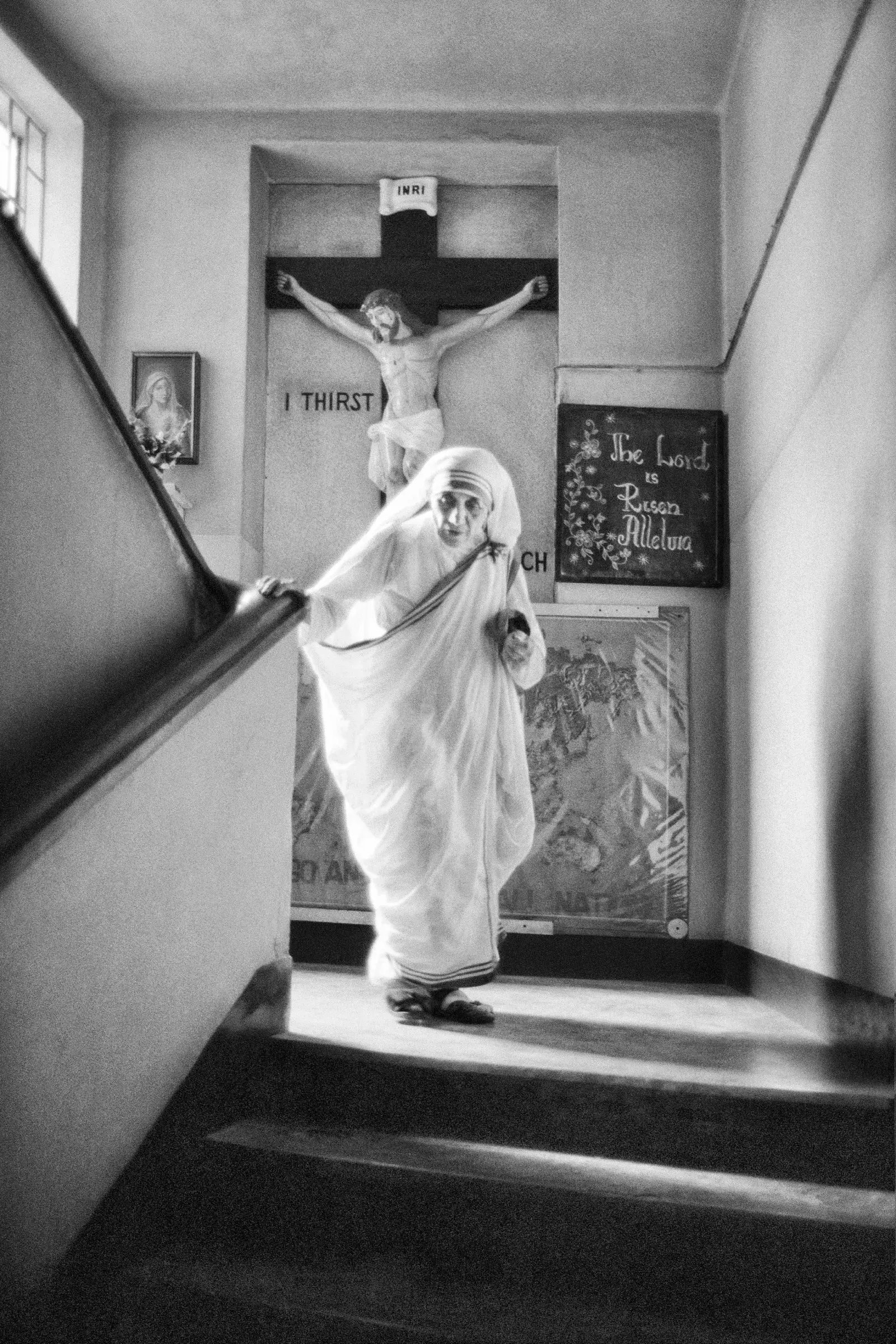
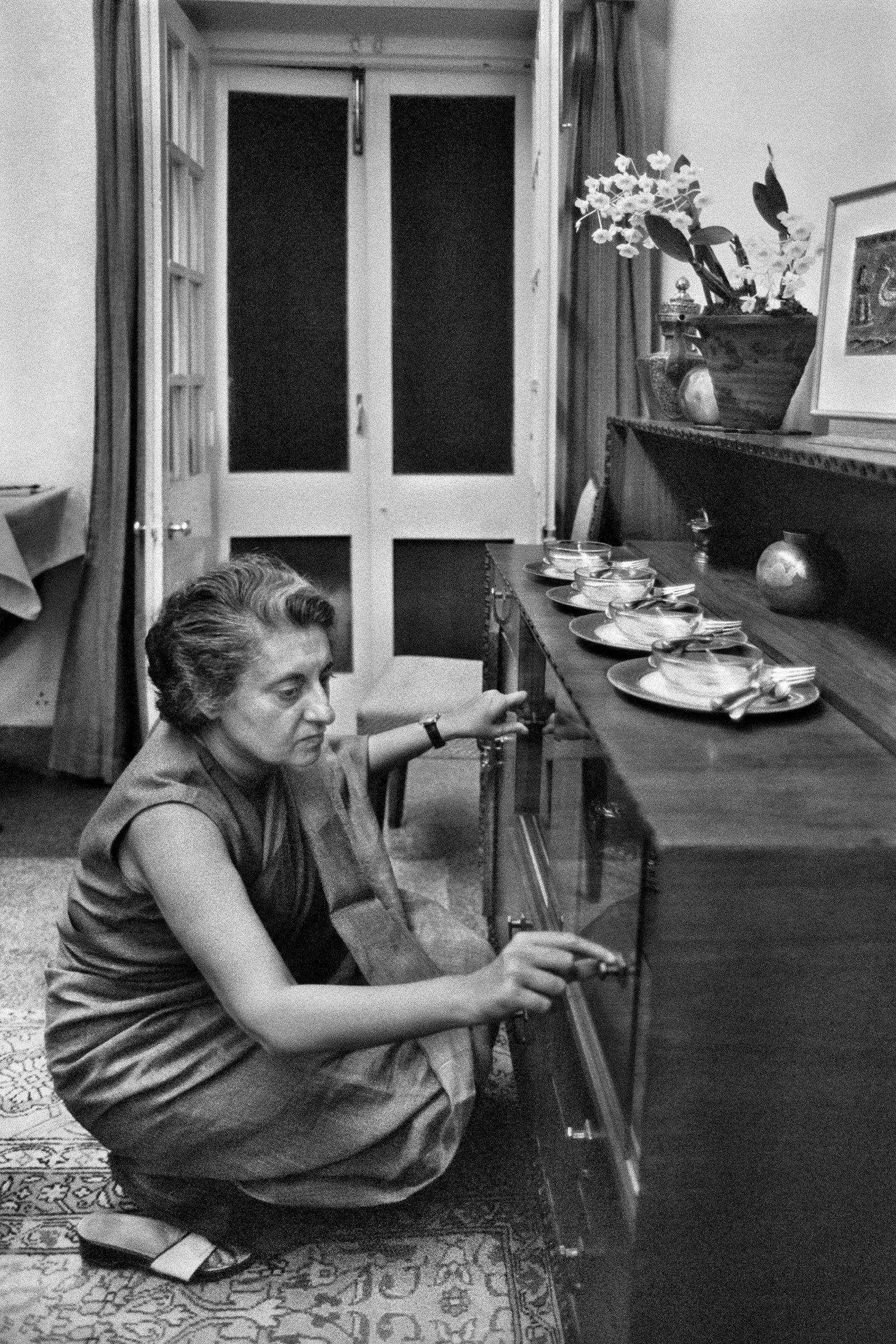
Rai’s inclination toward reflection and documentation also led to the creation of several acclaimed books, including Delhi, Raghu Rai’s India, Picturing Time, and Tibet in Exile. His 2016 work Raghu Rai: People brought together some of his most iconic portraits, ranging from anonymous individuals to prominent personalities such as former Prime Minister Indira Gandhi, shehnai maestro Ustad Bismillah Khan, Dalai Lama, Mother Teresa, and film figures like Satyajit Ray and Aparna Sen.
Even in his later years, Rai continued to photograph with the same passion and dedication that had defined his early days, solidifying his place as one of the most influential visual storytellers of contemporary India.
One of the most prolific visual chroniclers of contemporary India, Raghu Rai brought life to every image he captured, leaving behind a legacy that defined generations of storytelling through the lens. Reported by The Indian Express
According to The Indian Express.. Rai’s journey into photography...
One of the most prolific visual chroniclers of contemporary India, Raghu Rai brought life to every image he captured, leaving behind a legacy that defined generations of storytelling through the lens. Reported by The Indian Express
According to The Indian Express.. Rai’s journey into photography began almost by chance. Trained as a civil engineer, he was on a professional break when a visit to his brother, photographer S Paul, in Delhi during the 1960s introduced him to the art form.
During a trip to a village in Haryana with a friend, he clicked one of his earliest photographs—a donkey looking directly into the camera. Struck by its impact, S Paul sent the image to The Times in London, where it was published.

That moment not only earned Rai prize money but also marked the beginning of a lifelong career in photography. Rai passed away in Delhi on April 26 at the age of 83.
Known for his tenacity, sharp observation, and deep curiosity, Rai infused each photograph with a sense of life and emotion, capturing the very pulse of the nation.
Reflecting on his journey, he once said, “More than a professional photographer, I became an explorer of life,” in an interview with The Indian Express in 2024. While his life has come to an end, the moments he preserved continue to live on through an extraordinary archive that spans photojournalism, documentation, and portraits of some of the most influential figures across politics, culture, and society.
Over a career spanning more than five decades, Rai worked as a photojournalist across several newsrooms, carrying with him an intuitive and deeply human approach to storytelling. In the same 2024 interview, he remarked, “If responsible journalism is the first draft of history, then photojournalism is the first evidence of that history being lived.

The sanctity of my profession requires that the photographs go into the depths of daily life of people’s emotions and their responses to situations and capture that in any given time or space. I am not here to make pretty pictures or documentary pictures that just impart information.”
Across seven decades, the Padma Shri awardee (1972) documented pivotal moments in India’s history. His work included powerful images of Jarnail Singh Bhindranwale at Amritsar’s Golden Temple complex shortly before Operation Blue Star. He also captured haunting visuals from the Bhopal Gas Tragedy and documented refugees during the Bangladesh Liberation War.
During the period of the Emergency, Rai continued his work despite strict censorship. Recalling those years in a 2025 interview with The Indian Express, he stated, “There were several photographs that couldn’t be published, including that of political leaders who were arrested and protesters. We devised ways to depict reality, with symbolic representations.”
In 1977, Rai achieved another milestone by becoming the first Indian photographer invited to join Magnum Photos, following a nomination by legendary French photographer Henri Cartier-Bresson, who had encountered his work at a Paris exhibition in 1971.
Cartier-Bresson’s humanist philosophy found resonance in Rai’s own work, visible in his evocative frames—from the bustling streets of Old Delhi to the ghats of the Ganga, diverse landscapes, and the Mahakumbh.

Rai’s inclination toward reflection and documentation also led to the creation of several acclaimed books, including Delhi, Raghu Rai’s India, Picturing Time, and Tibet in Exile. His 2016 work Raghu Rai: People brought together some of his most iconic portraits, ranging from anonymous individuals to prominent personalities such as former Prime Minister Indira Gandhi, shehnai maestro Ustad Bismillah Khan, Dalai Lama, Mother Teresa, and film figures like Satyajit Ray and Aparna Sen.
Even in his later years, Rai continued to photograph with the same passion and dedication that had defined his early days, solidifying his place as one of the most influential visual storytellers of contemporary India.




Leave a Comment