


Probe reveals continued weaknesses in transport agency oversight
A major independent review into New Zealand’s driver licensing and vehicle testing system has identified significant oversight challenges within the NZ Transport Agency Waka Kotahi, including staff concerns about resourcing, organisational dysfunction, and management practices.
According to a report by Stuff, the investigation, led by lawyer Stacey Shortall and obtained by Stuff following intervention from the Office of the Ombudsman, examined the agency’s regulation of driver training, vehicle testing, and the transportation of dangerous goods.
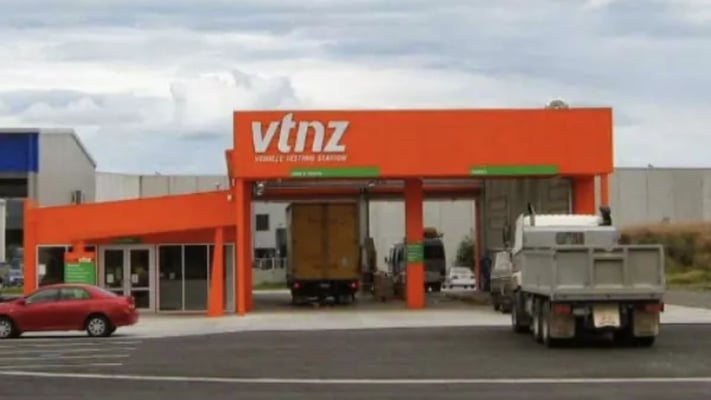
The review comes amid ongoing scrutiny of the integrity of the driver licensing system, including bribery allegations involving driver testing officers at VTNZ. Five staff at the company’s Highbrook branch in East Auckland were dismissed after allegedly accepting payments to pass practical driver tests dating back to 2023. As a result, 319 people were required to resit their tests. The case is now being examined by the Serious Fraud Office, as reported by Stuff.
Shortall conducted 44 interviews with agency staff and reviewed internal documents after whistleblowers raised concerns about ineffective oversight of road safety and driver training providers. The review followed earlier reforms introduced after a bribery-for-licences case involving an AA branch in Meadowlands, Auckland, in 2016.
Despite those earlier changes, the December 2024 report found “persisting weaknesses in regulatory practices, processes and systems.” The division responsible for driver testing and training was described as “widely acknowledged during interviews to be dysfunctional and in need of a re-set,” as quoted by Stuff.
“Issues identified by the staff I spoke to included management turnover, a lack of proper oversight, attention and support from higher levels, the volume of work and a sense by some of being under-resourced, unwillingness to change, a lack of engagement and feeling the team is divided and ‘broken’, some behavioural issues, and a sense of a lack of understanding between management and the frontline,” as quoted by Stuff.
NZTA group general manager regulatory Mike Hargreaves said the agency welcomed the findings and had already implemented some of the recommendations.
“We have introduced a new operating model that aims to ensure our role as regulator of the land transport system is carried out effectively. This includes changes to create stronger end-to-end oversight of each of the key regulatory areas, drivers, vehicles and commercial transport,” Stuff has quoted.
Transport Minister Chris Bishop described the report as troubling but necessary.
“The findings of this report are concerning”, he said, adding that commissioning independent advice was important. “Regularly seeking independent advice on regulatory performance is an important step in identifying gaps or areas needing improvement,” as quoted Stuff.
The report found frontline teams remained strongly committed to safety but believed the agency lacked sufficient resources to regulate a growing number of entities.
“This lack of resource and capacity in some areas - and ultimately the ability of the agency to effectively and proactively regulate the entire regulated community - appears to be further compromised by other organisational priorities which often see staff take on work outside of their core regulatory work.
“Staff capacity to carry out core regulatory work has been further complicated by the ‘roller coaster’ of organisational and structural changes, particularly in recent years. I observed a level of fatigue from interviewees around the seemingly relentless nature of changes staff have been required to navigate, requiring them to frequently re-prioritise work to keep up with demands,” Stuff has quoted.
Shortall warned that without adequate capacity, the agency risked becoming reactive rather than proactive in addressing regulatory issues.
“Without adequate capacity to meet all of its core regulatory functions, the agency may be forced to take a reactive position to regulatory issues once they have occurred, rather than coordinating its activities and resources, to proactively identify regulatory concerns prior to them becoming large-scale risks for the agency,” as quoted by Stuff.
Hargreaves said improvements had already been made, including the introduction of new risk-assessment tools, enhanced engagement with the sector, and updated decision-making processes.
The review also highlighted cultural and operational challenges within the organisation. Interviewees described an “us and them” divide between management and frontline staff and raised concerns about workplace behaviour.
Shortall noted awareness of “some complaints regarding potentially inappropriate behaviour by certain of the more senior members” of the safer vehicles team. She also found a perception among some staff that speaking up could have negative consequences.
Technology limitations were another major issue identified.
“In many cases, the technology and information systems currently used in road safety regulation are old, antiquated and not fit for purpose, such that it compromises the agency's ability to effectively regulate”, and meant staff used manual workarounds, according to Stuff.
“Undertaking work manually is time-consuming as it increases the administrative burden, it allows for mistakes due to human error, and it makes it easier for fraud or cheating to enter the system (not that I observed any of this). This is particularly an issue in class 2-5 driver training, as the driver licensing system is heavily paper-based,” as reported by Stuff.
Staff interviewed during the review also pointed to external pressures, including rising demand for heavy-vehicle drivers and driver training courses. This growth has led to more private course providers entering the market, with limited oversight at the approval stage.
“Some interviewees raised concerns about becoming a course provider being perceived as lucrative … I heard of current approved course providers charging individual drivers upwards of $950.00 for a class 2 truck licence course.”
Auditing of course providers had reportedly declined.
“There was a sense from frontline [driver testing and training] staff that management time pressures to complete audits meant only taking a cursory look over course providers,” as quoted by Stuff.
Shortall did not identify direct regulatory impropriety by NZTA staff but suggested the agency review how partnerships with major service providers could affect regulatory effectiveness.
“I would encourage the agency to consider to what extent its current regulatory processes, practices, and systems may be impacted by its partnership with larger regulated entities like VTNZ,” she wrote, Stuff has reported.

The report was released publicly on February 16, 2026, after the Ombudsman’s involvement prompted NZTA to reverse its earlier refusal to disclose it under the Official Information Act. Meanwhile, the Serious Fraud Office continues investigating the VTNZ Highbrook bribery allegations, keeping the driver licensing system under scrutiny.
A major independent review into New Zealand’s driver licensing and vehicle testing system has identified significant oversight challenges within the NZ Transport Agency Waka Kotahi, including staff concerns about resourcing, organisational dysfunction, and management practices.
{% module_block...A major independent review into New Zealand’s driver licensing and vehicle testing system has identified significant oversight challenges within the NZ Transport Agency Waka Kotahi, including staff concerns about resourcing, organisational dysfunction, and management practices.
According to a report by Stuff, the investigation, led by lawyer Stacey Shortall and obtained by Stuff following intervention from the Office of the Ombudsman, examined the agency’s regulation of driver training, vehicle testing, and the transportation of dangerous goods.
The review comes amid ongoing scrutiny of the integrity of the driver licensing system, including bribery allegations involving driver testing officers at VTNZ. Five staff at the company’s Highbrook branch in East Auckland were dismissed after allegedly accepting payments to pass practical driver tests dating back to 2023. As a result, 319 people were required to resit their tests. The case is now being examined by the Serious Fraud Office, as reported by Stuff.
Shortall conducted 44 interviews with agency staff and reviewed internal documents after whistleblowers raised concerns about ineffective oversight of road safety and driver training providers. The review followed earlier reforms introduced after a bribery-for-licences case involving an AA branch in Meadowlands, Auckland, in 2016.
Despite those earlier changes, the December 2024 report found “persisting weaknesses in regulatory practices, processes and systems.” The division responsible for driver testing and training was described as “widely acknowledged during interviews to be dysfunctional and in need of a re-set,” as quoted by Stuff.
“Issues identified by the staff I spoke to included management turnover, a lack of proper oversight, attention and support from higher levels, the volume of work and a sense by some of being under-resourced, unwillingness to change, a lack of engagement and feeling the team is divided and ‘broken’, some behavioural issues, and a sense of a lack of understanding between management and the frontline,” as quoted by Stuff.
NZTA group general manager regulatory Mike Hargreaves said the agency welcomed the findings and had already implemented some of the recommendations.
“We have introduced a new operating model that aims to ensure our role as regulator of the land transport system is carried out effectively. This includes changes to create stronger end-to-end oversight of each of the key regulatory areas, drivers, vehicles and commercial transport,” Stuff has quoted.
Transport Minister Chris Bishop described the report as troubling but necessary.
“The findings of this report are concerning”, he said, adding that commissioning independent advice was important. “Regularly seeking independent advice on regulatory performance is an important step in identifying gaps or areas needing improvement,” as quoted Stuff.
The report found frontline teams remained strongly committed to safety but believed the agency lacked sufficient resources to regulate a growing number of entities.
“This lack of resource and capacity in some areas - and ultimately the ability of the agency to effectively and proactively regulate the entire regulated community - appears to be further compromised by other organisational priorities which often see staff take on work outside of their core regulatory work.
“Staff capacity to carry out core regulatory work has been further complicated by the ‘roller coaster’ of organisational and structural changes, particularly in recent years. I observed a level of fatigue from interviewees around the seemingly relentless nature of changes staff have been required to navigate, requiring them to frequently re-prioritise work to keep up with demands,” Stuff has quoted.
Shortall warned that without adequate capacity, the agency risked becoming reactive rather than proactive in addressing regulatory issues.
“Without adequate capacity to meet all of its core regulatory functions, the agency may be forced to take a reactive position to regulatory issues once they have occurred, rather than coordinating its activities and resources, to proactively identify regulatory concerns prior to them becoming large-scale risks for the agency,” as quoted by Stuff.
Hargreaves said improvements had already been made, including the introduction of new risk-assessment tools, enhanced engagement with the sector, and updated decision-making processes.
The review also highlighted cultural and operational challenges within the organisation. Interviewees described an “us and them” divide between management and frontline staff and raised concerns about workplace behaviour.
Shortall noted awareness of “some complaints regarding potentially inappropriate behaviour by certain of the more senior members” of the safer vehicles team. She also found a perception among some staff that speaking up could have negative consequences.
Technology limitations were another major issue identified.
“In many cases, the technology and information systems currently used in road safety regulation are old, antiquated and not fit for purpose, such that it compromises the agency's ability to effectively regulate”, and meant staff used manual workarounds, according to Stuff.
“Undertaking work manually is time-consuming as it increases the administrative burden, it allows for mistakes due to human error, and it makes it easier for fraud or cheating to enter the system (not that I observed any of this). This is particularly an issue in class 2-5 driver training, as the driver licensing system is heavily paper-based,” as reported by Stuff.
Staff interviewed during the review also pointed to external pressures, including rising demand for heavy-vehicle drivers and driver training courses. This growth has led to more private course providers entering the market, with limited oversight at the approval stage.
“Some interviewees raised concerns about becoming a course provider being perceived as lucrative … I heard of current approved course providers charging individual drivers upwards of $950.00 for a class 2 truck licence course.”
Auditing of course providers had reportedly declined.
“There was a sense from frontline [driver testing and training] staff that management time pressures to complete audits meant only taking a cursory look over course providers,” as quoted by Stuff.
Shortall did not identify direct regulatory impropriety by NZTA staff but suggested the agency review how partnerships with major service providers could affect regulatory effectiveness.
“I would encourage the agency to consider to what extent its current regulatory processes, practices, and systems may be impacted by its partnership with larger regulated entities like VTNZ,” she wrote, Stuff has reported.
The report was released publicly on February 16, 2026, after the Ombudsman’s involvement prompted NZTA to reverse its earlier refusal to disclose it under the Official Information Act. Meanwhile, the Serious Fraud Office continues investigating the VTNZ Highbrook bribery allegations, keeping the driver licensing system under scrutiny.


Leave a Comment