

Luxon pushes to ban social media for under-16s as Act and NZ First oppose move
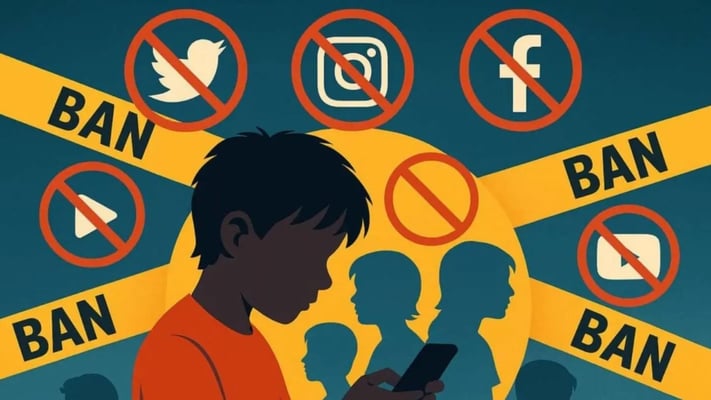
New Zealand Prime Minister Christopher Luxon has announced plans to introduce legislation banning children under 16 from accessing high-risk social media platforms, but the proposal faces opposition from coalition partners ACT and New Zealand First.
According to a reprot by Stuff, the proposed law would require platforms such as Facebook, Instagram, Snapchat, TikTok, YouTube and X to take reasonable steps to verify users’ ages. Possible methods include existing account information, facial age estimation, digital ID services and formal identification.
Companies that fail to comply could face penalties of up to 10% of their global revenue. Children, parents and caregivers would not face penalties under the proposed legislation.
The Government also plans to establish an online safety regulator and require platforms to regularly assess and report on the risks they pose to young users, Stuff has reported.
Luxon said the Government had a responsibility to act on the impact of social media on children.
“We simply cannot accept the harm being done to a generation of New Zealand children,” Luxon said, as quoted by Stuff.
“One in three children aged between 13 and 17 are now spending at least five hours on social media a day. Social media is exposing them to harmful content, addictive technology and pressures they are not equipped to deal with and it’s affecting their family life, mental health, sleep, and education,” Stuff has quoted.
Luxon acknowledged the proposed restrictions would not eliminate social media use among young people but said they could help change behaviour.
“We know that we will not get every single child off social media, but early evidence from Australia shows minimum age requirements are already changing behaviour. This is about making a meaningful difference now and changing the norm for future generations,” he said, as quoted by Stuff.
Coalition partners oppose the proposal
The legislation does not currently have the backing of ACT or New Zealand First.
ACT leader David Seymour said his party recognised the seriousness of online harm but believed the proposed ban was ineffective.
“Protecting children online is a serious problem. Unfortunately, the National Party have hitched their wagon to a terrible solution. The ban they propose won’t work, and the side effects will leave us worse off,” Seymour said, as quoted by Stuff.
He suggested restricting access to smartphones could be a more practical approach.
“Leaving under-sixteens with a dumb phone so they don't have it in their pocket and demanding their attention all the time,” he said, Stuff has quoted.
New Zealand First leader Winston Peters also confirmed his party would not support the legislation, while saying it understood the concerns behind the proposal.
“The Government is not moving to ban U16s from social media. The National Party is,” he said, as quoted by Stuff.
“New Zealand First understands and agrees with the intent of the law change, no one is more concerned and share the anxiety that parents are feeling about this issue, but we will not be supporting the progression of legislation to ban social media for under-16s,” Stuff has quoted.
Peters described the proposal as a “slippery slope” and questioned the Government's decision to describe it as a government bill when two coalition parties opposed it.
Labour yet to commit support
The proposed legislation also needs support beyond the coalition, with Labour yet to confirm whether it will vote for the bill.
According to Stuff, Labour leader Chris Hipkins has raised concerns about privacy, data collection and whether the legislation goes far enough in addressing online harms.
Labour has also sought answers from Education Minister Erica Stanford on how age verification would work, how platforms would demonstrate compliance and whether the Privacy Commissioner had been consulted about facial age-estimation technology.
The disagreement means the Government faces a challenging path in securing enough parliamentary support for the proposed under-16 social media restrictions, Stuff has reported.
New Zealand Prime Minister Christopher Luxon has announced plans to introduce legislation banning children under 16 from accessing high-risk social media platforms, but the proposal faces opposition from coalition partners ACT and New Zealand First.
{% module_block module...New Zealand Prime Minister Christopher Luxon has announced plans to introduce legislation banning children under 16 from accessing high-risk social media platforms, but the proposal faces opposition from coalition partners ACT and New Zealand First.
According to a reprot by Stuff, the proposed law would require platforms such as Facebook, Instagram, Snapchat, TikTok, YouTube and X to take reasonable steps to verify users’ ages. Possible methods include existing account information, facial age estimation, digital ID services and formal identification.
Companies that fail to comply could face penalties of up to 10% of their global revenue. Children, parents and caregivers would not face penalties under the proposed legislation.
The Government also plans to establish an online safety regulator and require platforms to regularly assess and report on the risks they pose to young users, Stuff has reported.
Luxon said the Government had a responsibility to act on the impact of social media on children.
“We simply cannot accept the harm being done to a generation of New Zealand children,” Luxon said, as quoted by Stuff.
“One in three children aged between 13 and 17 are now spending at least five hours on social media a day. Social media is exposing them to harmful content, addictive technology and pressures they are not equipped to deal with and it’s affecting their family life, mental health, sleep, and education,” Stuff has quoted.
Luxon acknowledged the proposed restrictions would not eliminate social media use among young people but said they could help change behaviour.
“We know that we will not get every single child off social media, but early evidence from Australia shows minimum age requirements are already changing behaviour. This is about making a meaningful difference now and changing the norm for future generations,” he said, as quoted by Stuff.
Coalition partners oppose the proposal
The legislation does not currently have the backing of ACT or New Zealand First.
ACT leader David Seymour said his party recognised the seriousness of online harm but believed the proposed ban was ineffective.
“Protecting children online is a serious problem. Unfortunately, the National Party have hitched their wagon to a terrible solution. The ban they propose won’t work, and the side effects will leave us worse off,” Seymour said, as quoted by Stuff.
He suggested restricting access to smartphones could be a more practical approach.
“Leaving under-sixteens with a dumb phone so they don't have it in their pocket and demanding their attention all the time,” he said, Stuff has quoted.
New Zealand First leader Winston Peters also confirmed his party would not support the legislation, while saying it understood the concerns behind the proposal.
“The Government is not moving to ban U16s from social media. The National Party is,” he said, as quoted by Stuff.
“New Zealand First understands and agrees with the intent of the law change, no one is more concerned and share the anxiety that parents are feeling about this issue, but we will not be supporting the progression of legislation to ban social media for under-16s,” Stuff has quoted.
Peters described the proposal as a “slippery slope” and questioned the Government's decision to describe it as a government bill when two coalition parties opposed it.
Labour yet to commit support
The proposed legislation also needs support beyond the coalition, with Labour yet to confirm whether it will vote for the bill.
According to Stuff, Labour leader Chris Hipkins has raised concerns about privacy, data collection and whether the legislation goes far enough in addressing online harms.
Labour has also sought answers from Education Minister Erica Stanford on how age verification would work, how platforms would demonstrate compliance and whether the Privacy Commissioner had been consulted about facial age-estimation technology.
The disagreement means the Government faces a challenging path in securing enough parliamentary support for the proposed under-16 social media restrictions, Stuff has reported.


Leave a Comment