

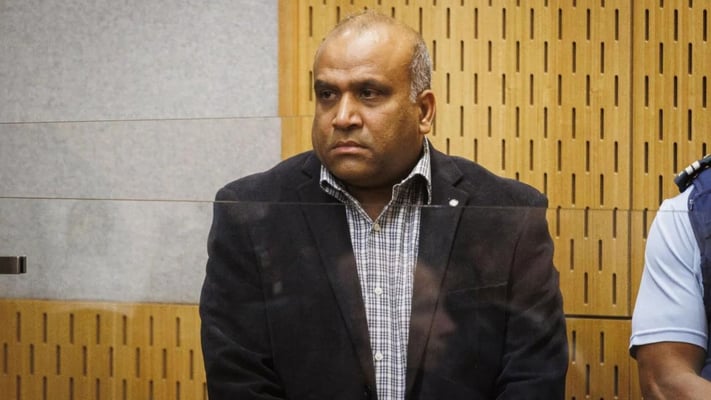

Council manager remains convicted after Supreme Court rejects final appeal
A former infrastructure manager who accepted bribes and misused confidential information to help associates secure council contracts will remain convicted after the Supreme Court dismissed his latest attempt to challenge the verdict.
According to a report by Stuff, Vivek Goel, who managed infrastructure assets for the Westland District Council, sought an extension of time to apply for leave to appeal his convictions directly to the Supreme Court after an earlier appeal was unsuccessful in the Court of Appeal. The Supreme Court rejected the application, leaving all convictions in place.
Goel was previously convicted by a jury on 20 corruption-related charges, including 14 counts of bribery, four counts of corrupt use of official information, and two counts of obtaining by deception. The charges arose from allegations that he used his official position to assist associates, particularly a man identified as Singh, in obtaining service contracts with the council, Stuff has reported.
During the trial, the High Court declined Goel's request to separate the charges, allowing prosecutors to present evidence across all allegations on a cross-propensity basis. The Court of Appeal later observed a consistent pattern in the evidence, stating that Goel used his position and access to information "to assist certain identified third parties in their contractual dealings with his employer," as quoted by Stuff.
Court documents stated that Goel accepted money in exchange for favours, improperly used confidential council information, and deliberately concealed his assistance to third parties. The court found that evidence supporting one offence could also be considered when assessing the remaining charges. For example, proof that Goel accepted a bribe from Singh could make it more likely that he would use his position to provide insider information in other instances.
In his Supreme Court application, Goel argued that the trial had improperly relied on evidence suggesting a tendency to act corruptly across different types of offences. He also challenged the balance between the evidence's probative value and its potential prejudice, as well as the trial judge's directions to the jury, Stuff has reported.
However, Supreme Court Justices Ellen France and Kós ruled that the first two arguments did not involve issues of public importance or indicate a significant risk of a miscarriage of justice, noting that all of the charges centred on "corrupt intent". While the court acknowledged that the issue concerning the jury directions could raise a matter of public importance, it concluded that the trial judge's instructions were more than adequate, Stuff has reported.
With the Supreme Court dismissing the application, Goel's convictions on all 20 corruption-related charges remain upheld, as reported by Stuff.
A former infrastructure manager who accepted bribes and misused confidential information to help associates secure council contracts will remain convicted after the Supreme Court dismissed his latest attempt to challenge the verdict.
{% module_block module...A former infrastructure manager who accepted bribes and misused confidential information to help associates secure council contracts will remain convicted after the Supreme Court dismissed his latest attempt to challenge the verdict.
According to a report by Stuff, Vivek Goel, who managed infrastructure assets for the Westland District Council, sought an extension of time to apply for leave to appeal his convictions directly to the Supreme Court after an earlier appeal was unsuccessful in the Court of Appeal. The Supreme Court rejected the application, leaving all convictions in place.
Goel was previously convicted by a jury on 20 corruption-related charges, including 14 counts of bribery, four counts of corrupt use of official information, and two counts of obtaining by deception. The charges arose from allegations that he used his official position to assist associates, particularly a man identified as Singh, in obtaining service contracts with the council, Stuff has reported.
During the trial, the High Court declined Goel's request to separate the charges, allowing prosecutors to present evidence across all allegations on a cross-propensity basis. The Court of Appeal later observed a consistent pattern in the evidence, stating that Goel used his position and access to information "to assist certain identified third parties in their contractual dealings with his employer," as quoted by Stuff.
Court documents stated that Goel accepted money in exchange for favours, improperly used confidential council information, and deliberately concealed his assistance to third parties. The court found that evidence supporting one offence could also be considered when assessing the remaining charges. For example, proof that Goel accepted a bribe from Singh could make it more likely that he would use his position to provide insider information in other instances.
In his Supreme Court application, Goel argued that the trial had improperly relied on evidence suggesting a tendency to act corruptly across different types of offences. He also challenged the balance between the evidence's probative value and its potential prejudice, as well as the trial judge's directions to the jury, Stuff has reported.
However, Supreme Court Justices Ellen France and Kós ruled that the first two arguments did not involve issues of public importance or indicate a significant risk of a miscarriage of justice, noting that all of the charges centred on "corrupt intent". While the court acknowledged that the issue concerning the jury directions could raise a matter of public importance, it concluded that the trial judge's instructions were more than adequate, Stuff has reported.
With the Supreme Court dismissing the application, Goel's convictions on all 20 corruption-related charges remain upheld, as reported by Stuff.


Leave a Comment