




Chronological selection process for Parent Resident Visa confirmed
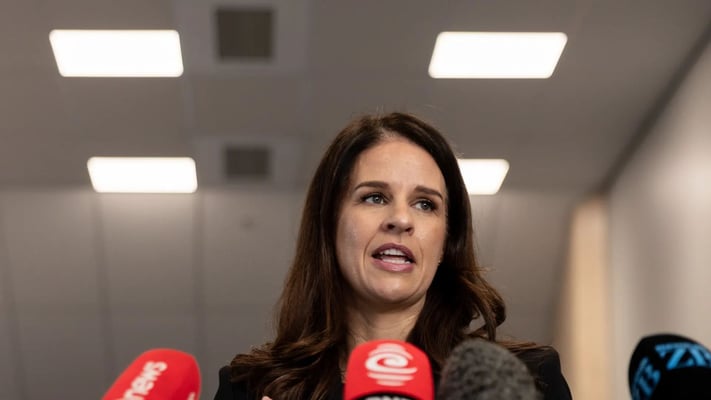



Immigration Minister Erica Stanford has confirmed that expressions of interest for the Parent Resident Visa will mostly be selected in chronological order from November.
Currently, expressions of interest are randomly selected every three months by ballot, leaving many applicants waiting in limbo.
Under the new model, 90 percent of all expressions of interest would be selected from the queue chronologically, while the rest would continue to be selected by ballot to reach the annual cap of 2500 places, Stanford said Saturday.
"The new model prioritises people who have already been waiting for years, while maintaining a balanced way of allocating places in a high-demand residence pathway," she said.
"There is no perfect way to allocate places when demand is higher than the number of visas available, but this approach strikes a fairer balance."
The Parent Resident Visa - a separate visa category from the Parent Boost Visa - allows New Zealand citizens and residents who meet eligibility requirements to sponsor their parents for residency in New Zealand.
Under the new model, expressions of interest no longer expire after two years, provided people confirm they still want to remain in the process and keep their information up to date.
Families will also no longer have to pay additional fees every two years to resubmit their expression of interest.
The final draw under the current ballot system will take place on Tuesday.
The new model takes effect on 5 October, with the first selection being made on 10 November.
Applicants with current expressions of interest that expire before 5 October will need to submit a new expression of interest.
Those with expressions of interest expiring on or after that date will not need to submit a new one.
Where an expression of interest has been resubmitted following its two-year expiry, it will be ordered according to its original submission date, as long as the second expression of interest was submitted within 90 days of the first one expiring.
People with current expressions of interest will be notified of their position in the new chronological queue in October.
As of 23 July, there were 7706 valid expressions of interest in the ballot pool, representing 11,602 people.
Applicants and sponsors will still need to meet all Parent Resident Visa requirements, including sponsorship, health, character and relationship requirements.
Standford said some families had been waiting since 2022, with this change providing clarity.
"For many migrants who have made New Zealand their home and gained citizenship or residence, having parents close by is an important part of building their lives in New Zealand," Stanford said.
"Parents can provide important support, connection and stability, whether that is helping with children, supporting families through challenging times, or simply being part of everyday family life," she said.
"This is a positive change for those families who have been desperate for more certainty."
Immigration Minister Erica Stanford has confirmed that expressions of interest for the Parent Resident Visa will mostly be selected in chronological order from November.
Currently, expressions of interest are randomly selected every three months by ballot,leaving many applicants waiting in limbo.
Immigration Minister Erica Stanford has confirmed that expressions of interest for the Parent Resident Visa will mostly be selected in chronological order from November.
Currently, expressions of interest are randomly selected every three months by ballot, leaving many applicants waiting in limbo.
Under the new model, 90 percent of all expressions of interest would be selected from the queue chronologically, while the rest would continue to be selected by ballot to reach the annual cap of 2500 places, Stanford said Saturday.
"The new model prioritises people who have already been waiting for years, while maintaining a balanced way of allocating places in a high-demand residence pathway," she said.
"There is no perfect way to allocate places when demand is higher than the number of visas available, but this approach strikes a fairer balance."
The Parent Resident Visa - a separate visa category from the Parent Boost Visa - allows New Zealand citizens and residents who meet eligibility requirements to sponsor their parents for residency in New Zealand.
Under the new model, expressions of interest no longer expire after two years, provided people confirm they still want to remain in the process and keep their information up to date.
Families will also no longer have to pay additional fees every two years to resubmit their expression of interest.
The final draw under the current ballot system will take place on Tuesday.
The new model takes effect on 5 October, with the first selection being made on 10 November.
Applicants with current expressions of interest that expire before 5 October will need to submit a new expression of interest.
Those with expressions of interest expiring on or after that date will not need to submit a new one.
Where an expression of interest has been resubmitted following its two-year expiry, it will be ordered according to its original submission date, as long as the second expression of interest was submitted within 90 days of the first one expiring.
People with current expressions of interest will be notified of their position in the new chronological queue in October.
As of 23 July, there were 7706 valid expressions of interest in the ballot pool, representing 11,602 people.
Applicants and sponsors will still need to meet all Parent Resident Visa requirements, including sponsorship, health, character and relationship requirements.
Standford said some families had been waiting since 2022, with this change providing clarity.
"For many migrants who have made New Zealand their home and gained citizenship or residence, having parents close by is an important part of building their lives in New Zealand," Stanford said.
"Parents can provide important support, connection and stability, whether that is helping with children, supporting families through challenging times, or simply being part of everyday family life," she said.
"This is a positive change for those families who have been desperate for more certainty."


Related Posts
ISSUE


Leave a Comment