

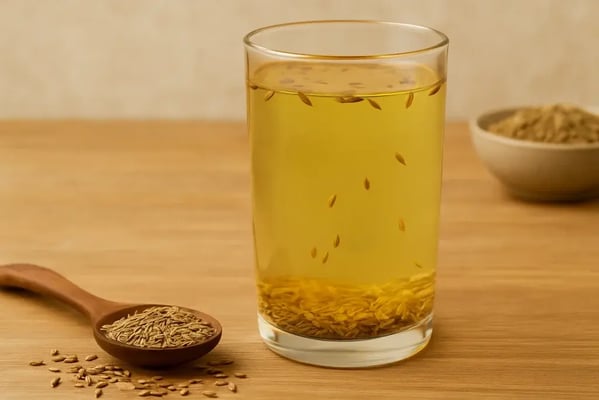

Can Jeera water reduce fatty liver risk?
Fatty liver disease has become one of the most common lifestyle-related health conditions worldwide. Often linked to obesity, poor dietary habits, diabetes, and a sedentary lifestyle, the condition occurs when excess fat accumulates in the liver.
While medical treatment and lifestyle modifications remain the cornerstone of managing fatty liver, some traditional remedies are also gaining attention for their potential benefits. One such remedy is jeera water, a simple drink made by soaking or boiling cumin seeds in water.
According to health experts, consuming jeera water on an empty stomach may support liver health and potentially reduce the risk of fatty liver disease when combined with a balanced diet and regular exercise.
What Makes Jeera Water Beneficial?
Cumin seeds, commonly known as jeera, are packed with antioxidants, vitamins, and essential minerals. They contain compounds such as thymol and cuminaldehyde, which are known to aid digestion and improve metabolic function. These properties may indirectly support liver health by helping the body process fats more efficiently.
Doctors explain that poor digestion and metabolic imbalances can contribute to fat accumulation in the liver. By improving digestive health and promoting better nutrient absorption, jeera water may help reduce some of the factors associated with fatty liver disease.
Supports Weight Management
One of the key risk factors for fatty liver disease is excess body weight. Several studies have suggested that cumin may help support weight management by improving metabolism and reducing appetite.
Drinking jeera water first thing in the morning may help kick-start the digestive system and encourage healthier eating habits throughout the day. While it is not a miracle solution for weight loss, it can be a useful addition to a healthy lifestyle aimed at reducing excess body fat.
Rich in Antioxidants
The liver is constantly exposed to toxins and harmful substances that can lead to oxidative stress. Jeera contains powerful antioxidants that help protect cells from damage caused by free radicals.
Experts believe these antioxidants may support liver function and help reduce inflammation, both of which are important for maintaining a healthy liver. A reduction in inflammation can be particularly beneficial for people at risk of developing non-alcoholic fatty liver disease (NAFLD).
Helps Regulate Blood Sugar
High blood sugar levels and insulin resistance are closely linked to fatty liver disease. Some research suggests that cumin may help regulate blood sugar levels and improve insulin sensitivity.
Better blood sugar control can reduce the likelihood of excess fat being stored in the liver, making jeera water a potentially beneficial beverage for individuals concerned about metabolic health.
How to Prepare Jeera Water
Preparing jeera water is simple. Soak one teaspoon of cumin seeds in a glass of water overnight. In the morning, strain the seeds and drink the water on an empty stomach. Alternatively, you can boil the seeds in water, allow the mixture to cool slightly, and consume it warm.
The Bottom Line
While jeera water may offer several health benefits, doctors emphasize that it should not be viewed as a standalone treatment for fatty liver disease. Maintaining a healthy weight, eating a balanced diet, exercising regularly, limiting processed foods, and following medical advice remain the most effective ways to protect liver health.
However, incorporating a simple glass of jeera water into your morning routine may provide additional support for digestion, metabolism, and overall liver wellness.
Fatty liver disease has become one of the most common lifestyle-related health conditions worldwide. Often linked to obesity, poor dietary habits, diabetes, and a sedentary lifestyle, the condition occurs when excess fat accumulates in the liver.
{% module_block module...Fatty liver disease has become one of the most common lifestyle-related health conditions worldwide. Often linked to obesity, poor dietary habits, diabetes, and a sedentary lifestyle, the condition occurs when excess fat accumulates in the liver.
While medical treatment and lifestyle modifications remain the cornerstone of managing fatty liver, some traditional remedies are also gaining attention for their potential benefits. One such remedy is jeera water, a simple drink made by soaking or boiling cumin seeds in water.
According to health experts, consuming jeera water on an empty stomach may support liver health and potentially reduce the risk of fatty liver disease when combined with a balanced diet and regular exercise.
What Makes Jeera Water Beneficial?
Cumin seeds, commonly known as jeera, are packed with antioxidants, vitamins, and essential minerals. They contain compounds such as thymol and cuminaldehyde, which are known to aid digestion and improve metabolic function. These properties may indirectly support liver health by helping the body process fats more efficiently.
Doctors explain that poor digestion and metabolic imbalances can contribute to fat accumulation in the liver. By improving digestive health and promoting better nutrient absorption, jeera water may help reduce some of the factors associated with fatty liver disease.
Supports Weight Management
One of the key risk factors for fatty liver disease is excess body weight. Several studies have suggested that cumin may help support weight management by improving metabolism and reducing appetite.
Drinking jeera water first thing in the morning may help kick-start the digestive system and encourage healthier eating habits throughout the day. While it is not a miracle solution for weight loss, it can be a useful addition to a healthy lifestyle aimed at reducing excess body fat.
Rich in Antioxidants
The liver is constantly exposed to toxins and harmful substances that can lead to oxidative stress. Jeera contains powerful antioxidants that help protect cells from damage caused by free radicals.
Experts believe these antioxidants may support liver function and help reduce inflammation, both of which are important for maintaining a healthy liver. A reduction in inflammation can be particularly beneficial for people at risk of developing non-alcoholic fatty liver disease (NAFLD).
Helps Regulate Blood Sugar
High blood sugar levels and insulin resistance are closely linked to fatty liver disease. Some research suggests that cumin may help regulate blood sugar levels and improve insulin sensitivity.
Better blood sugar control can reduce the likelihood of excess fat being stored in the liver, making jeera water a potentially beneficial beverage for individuals concerned about metabolic health.
How to Prepare Jeera Water
Preparing jeera water is simple. Soak one teaspoon of cumin seeds in a glass of water overnight. In the morning, strain the seeds and drink the water on an empty stomach. Alternatively, you can boil the seeds in water, allow the mixture to cool slightly, and consume it warm.
The Bottom Line
While jeera water may offer several health benefits, doctors emphasize that it should not be viewed as a standalone treatment for fatty liver disease. Maintaining a healthy weight, eating a balanced diet, exercising regularly, limiting processed foods, and following medical advice remain the most effective ways to protect liver health.
However, incorporating a simple glass of jeera water into your morning routine may provide additional support for digestion, metabolism, and overall liver wellness.


Leave a Comment