








Every December, the image of a red-suited man with a white beard, a sack of gifts and a joyful laugh dominates Christmas celebrations across the world. Known as Santa Claus, he has become one of the most recognisable figures of the festive season. While often associated with fantasy and childhood wonder, Santa Claus has a deep historical background rooted in faith, folklore and cultural transformation.

Historical origins: St Nicholas of Myra
The origins of Santa Claus can be traced back to St Nicholas, a Christian bishop who lived in the 4th century in Myra, in present-day Turkey. St Nicholas was known for his generosity, particularly towards the poor, children and sailors. Historical accounts describe him as a man who secretly gave gifts to those in need, often leaving money at night to preserve the dignity of the recipients.
One of the most well-known legends recounts how St Nicholas helped three poor sisters by leaving gold coins for their dowries, saving them from a life of hardship. Over time, St Nicholas became a symbol of kindness and selfless giving, and December 6 was marked as his feast day in many parts of Europe.
From saint to folklore figure
As Christianity spread across Europe, stories of St Nicholas blended with local folklore and winter traditions. In the Netherlands, he became known as Sinterklaas, a gift-bringer who arrived in early December. Dutch settlers later carried this tradition to North America in the 17th century, where Sinterklaas gradually evolved into Santa Claus.
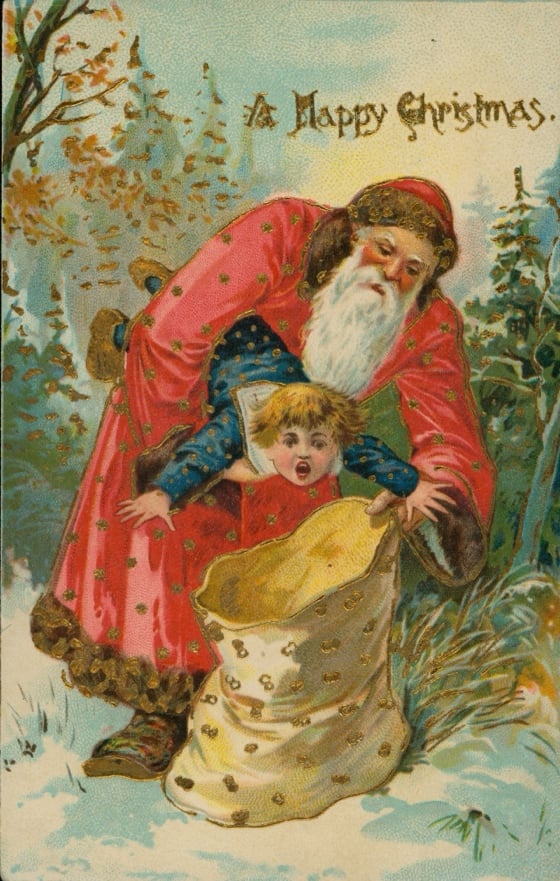
By the 18th and 19th centuries, Santa’s character shifted from a strictly religious figure to a more secular and festive one. Literature played a crucial role in this transformation. The 1823 poem A Visit from St. Nicholas (commonly known as ’Twas the Night Before Christmas) portrayed Santa as a cheerful, magical figure who traveled in a sleigh pulled by reindeer and delivered gifts through chimneys.
Shaping the modern image of Santa
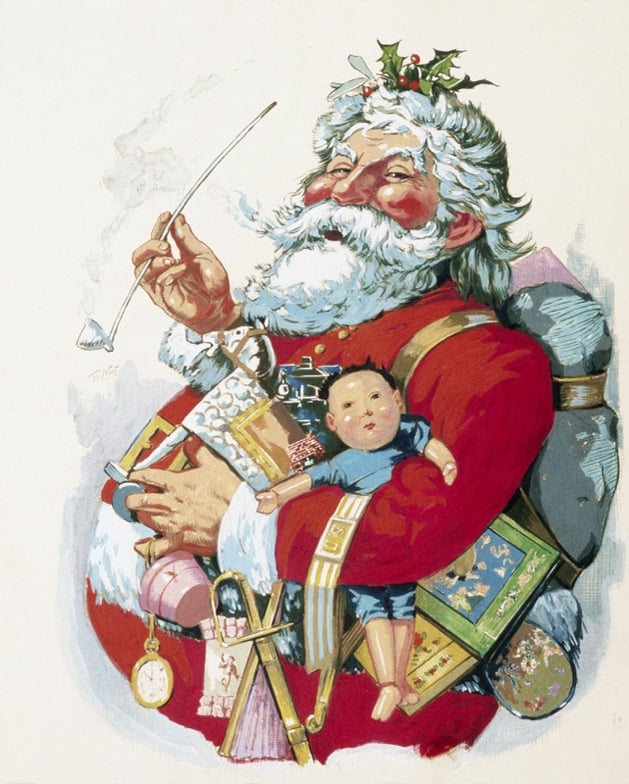
The visual image of Santa Claus was further refined in the late 19th and early 20th centuries through illustrations and advertising. American illustrator Thomas Nast is credited with shaping many of Santa’s modern characteristics, including his North Pole residence and his list of well-behaved children.
In the 1930s, commercial advertising popularised the now-iconic red suit, white beard and warm, friendly appearance. While this image spread widely through global media, Santa’s core association with generosity and joy remained unchanged.
Global significance and cultural impact
Today, Santa Claus transcends religion and geography. He appears in Christmas celebrations in countries with diverse cultural and religious backgrounds, serving as a symbol of joy, giving and goodwill. For children, Santa represents magic and imagination; for adults, he often symbolises the spirit of generosity and nostalgia.
Importantly, Santa Claus reflects the broader evolution of Christmas itself — from a purely religious observance to a global cultural festival. His universal appeal allows people of different beliefs to participate in the season without religious boundaries.
Beyond gifts: the deeper meaning
While Santa is commonly associated with presents, his deeper significance lies in the values he represents. The tradition of anonymous giving, kindness without expectation and compassion for others mirrors the legacy of St Nicholas. These values align closely with the moral essence of Christmas.

As debates continue around commercialisation, Santa Claus remains a reminder that the heart of the festival is not consumption, but generosity and care for others. Whether seen as a historical figure, a cultural icon or a symbol of festive joy, Santa Claus continues to unite people around the world during the Christmas season.



ISSUE


Leave a Comment