

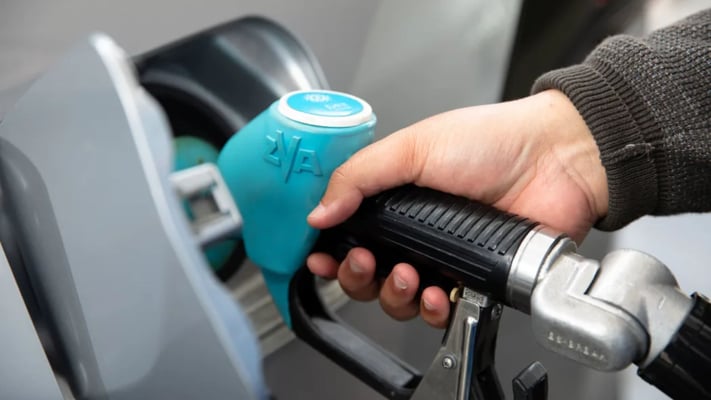

NZ has 'healthy stock levels' of fuel - MBIE
Government officials and major fuel retailer Z Energy are moving to ease any concerns about the country's fuel reserves.
The US and Israel-led air campaign in Iran has seen the country fire missiles and drones at its Middle East neighbours and threaten to close the strategic Strait of Hormuz, through which about 20 million barrels- a fifth of the world's traded oil - moves each day.
Iranian strikes have also prompted Qatar- one of the world's largest gas exporters- to halt productionat key facilities, sending European natural gas prices surging by 50 percent in a single night.
The Ministry of Business, Innovation and Employment (MBIE) and fuel company Z Energy, said New Zealand had sufficient fuel reserves to withstand any disruption to global supplies.
MBIE said as a member of the International Energy Agency (IEA), New Zealand must hold at least 90 days of oil stocks.
The total was met through a combination of onshore stockholdings held by fuel importers and "oil tickets" - agreements with the governments of the United States, United Kingdom and Japan that allowed oil held overseas to count towards New Zealand's IEA commitment.
MBIE said the Minimum Stockholding Obligation (MSO) - which came into force on 1 January 2025 - also required fuel importers to hold 21 days of diesel, 24 days of jet fuel and 28 days of petrol within New Zealand, including shipments already in transit within the country's Exclusive Economic Zone.
"Our data shows that fuel importers routinely hold more than what's required - and while these figures are commercially sensitive, we can say that we have healthy stock levels and that importers have further ships planned and on their way to New Zealand," an MBIE spokesperson said.
Diesel holdings would have to rise to 28 days by 2028.
Together, the MSO and overseas "ticket" contracts gave New Zealand more than 90 days of effective cover, meeting its full IEA obligations.
Importers were required to report stock levels regularly to MBIE to ensure sufficient reserves are available at short notice.
Z Energy said it was closely monitoring the rapidly evolving situation in the Middle East, but there was no impact on its ability to source fuel.
"Customers can continue to fill up as normal at any Z station across the country," a spokesperson said.
The company said it would continue to monitor developments and provide updates as needed.
-By RNZ
Government officials and major fuel retailer Z Energy are moving to ease any concerns about the country's fuel reserves.
{% module_block module "widget_7f58dcdb-9dd8-4b22-a23b-c340087685a1" %}{% module_attribute "ads" is_json="true" %}{% raw...Government officials and major fuel retailer Z Energy are moving to ease any concerns about the country's fuel reserves.
The US and Israel-led air campaign in Iran has seen the country fire missiles and drones at its Middle East neighbours and threaten to close the strategic Strait of Hormuz, through which about 20 million barrels- a fifth of the world's traded oil - moves each day.
Iranian strikes have also prompted Qatar- one of the world's largest gas exporters- to halt productionat key facilities, sending European natural gas prices surging by 50 percent in a single night.
The Ministry of Business, Innovation and Employment (MBIE) and fuel company Z Energy, said New Zealand had sufficient fuel reserves to withstand any disruption to global supplies.
MBIE said as a member of the International Energy Agency (IEA), New Zealand must hold at least 90 days of oil stocks.
The total was met through a combination of onshore stockholdings held by fuel importers and "oil tickets" - agreements with the governments of the United States, United Kingdom and Japan that allowed oil held overseas to count towards New Zealand's IEA commitment.
MBIE said the Minimum Stockholding Obligation (MSO) - which came into force on 1 January 2025 - also required fuel importers to hold 21 days of diesel, 24 days of jet fuel and 28 days of petrol within New Zealand, including shipments already in transit within the country's Exclusive Economic Zone.
"Our data shows that fuel importers routinely hold more than what's required - and while these figures are commercially sensitive, we can say that we have healthy stock levels and that importers have further ships planned and on their way to New Zealand," an MBIE spokesperson said.
Diesel holdings would have to rise to 28 days by 2028.
Together, the MSO and overseas "ticket" contracts gave New Zealand more than 90 days of effective cover, meeting its full IEA obligations.
Importers were required to report stock levels regularly to MBIE to ensure sufficient reserves are available at short notice.
Z Energy said it was closely monitoring the rapidly evolving situation in the Middle East, but there was no impact on its ability to source fuel.
"Customers can continue to fill up as normal at any Z station across the country," a spokesperson said.
The company said it would continue to monitor developments and provide updates as needed.
-By RNZ


Leave a Comment