

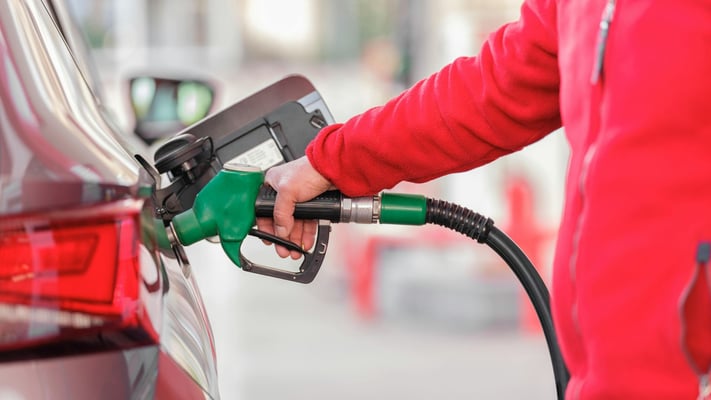

Motorists queue for fuel as prices tipped to rise again
New Zealand motorists are being advised to top up their fuel tanks this week as renewed conflict in the Middle East is expected to drive petrol prices higher, although experts and the Government say there is no reason to panic about fuel supplies.
According to a report by Stuff, the advice comes after queues formed at an Auckland petrol station offering fuel at discounted prices, following warnings that global tensions could push costs back above recent lows.
Since February, fuel prices have fluctuated due to instability in the Middle East, with the closure of the Strait of Hormuz, a key global shipping route for oil, adding pressure to international supply chains.
Earlier in the conflict, ministers repeatedly urged the public not to panic-buy fuel.
Finance Minister Nicola Willis previously said:
“You don’t need to be stocking or hoarding fuel,” Stuff has quoted.
She also reassured motorists:
“You don't need to worry that there won't be enough fuel to fill up.”
Energy Minister Shane Jones delivered a similar message in March.
“If circumstances change, we will swiftly notify the public. There is no need for panic or overreaction,” Jones said, as quoted by Stuff.
Now, the Automobile Association (AA) is encouraging motorists to consider filling up before expected price increases take effect.
AA principal policy adviser Terry Collins said the recommendation was based on economics rather than concerns over shortages.
“With prices of oil going up, and the refined product going up, we know it's going to be more expensive to replace it. So I'm just telling the public and our members, if you can afford it, get it now, save yourself a little bit of money,” Stuff has quoted.
Collins rejected suggestions the advice could trigger panic buying.
“It's like saying just because Briscoes has a 60% sale you are panic buying - you are not, you are just buying it a bit cheaper. And this week's a bit cheaper than what it will be in the next few weeks because of these factors that interrupt the pricing,” as quoted by Stuff.
Westpac chief economist Kelly Eckhold said expectations for falling fuel prices had changed significantly as the conflict escalated.
“Two weeks ago, I suppose everybody, including ourselves, would have been a lot more optimistic that prices might actually have been continuing to fall, as quoted by Stuff.
“I was suggesting that maybe a $2.80-type level was realistic over the next couple of weeks, but then of course subsequently the whole situation in the Persian Gulf changed,” he said, Stuff has quoted.
Eckhold stressed there was currently no indication of fuel shortages in New Zealand, but said prices were likely to respond quickly to international developments.
“I think there's a difference between worrying that there may not be fuel available in the next couple of weeks, and I don't think we've got any evidence to suggest that that's likely in New Zealand for the next month or six weeks or so, Stuff has quoted.
“But you know we are at this stage where the prices adjust quite quickly when international market conditions change, and we probably are in that period now where we're going to see that turnaround and trend,” he said, as quoted by Stuff.
He added that purchasing fuel now was likely to save motorists money.
“I think it makes sense for you to fuel up because the prices more likely than not are getting higher, and you know we all prefer to buy cheaper rather than more expensive gas, don't we?”, as quoted by Stuff,
Collins echoed that advice while emphasising there was no supply issue.
“It's not a supply problem. You don't need to queue. If you see a good special, get in. That's my only advice. We've got plenty of supplies. If you want to buy it cheaper today, get it cheaper today, as quoted by Stuff.
“I wouldn't go out and tell people to buy now if I thought there was a supply problem. We were very careful at the beginning of the conflict not to do that,” Collins said, Stuff has quoted.
The Government has also reiterated that New Zealand's fuel reserves remain secure.
A spokesperson for Finance Minister Nicola Willis said motorists can continue to “fill up as normal,” adding that fuel prices remain “well below” the highs recorded earlier this year.
According to Stuff, the spokesperson also said New Zealand's fuel stocks “remain healthy”, with petrol, diesel and jet fuel “all well above the minimum levels” required, while fuel companies have confirmed they have sufficient forward supplies extending into October.
New Zealand motorists are being advised to top up their fuel tanks this week as renewed conflict in the Middle East is expected to drive petrol prices higher, although experts and the Government say there is no reason to panic about fuel supplies.
{% module_block module...New Zealand motorists are being advised to top up their fuel tanks this week as renewed conflict in the Middle East is expected to drive petrol prices higher, although experts and the Government say there is no reason to panic about fuel supplies.
According to a report by Stuff, the advice comes after queues formed at an Auckland petrol station offering fuel at discounted prices, following warnings that global tensions could push costs back above recent lows.
Since February, fuel prices have fluctuated due to instability in the Middle East, with the closure of the Strait of Hormuz, a key global shipping route for oil, adding pressure to international supply chains.
Earlier in the conflict, ministers repeatedly urged the public not to panic-buy fuel.
Finance Minister Nicola Willis previously said:
“You don’t need to be stocking or hoarding fuel,” Stuff has quoted.
She also reassured motorists:
“You don't need to worry that there won't be enough fuel to fill up.”
Energy Minister Shane Jones delivered a similar message in March.
“If circumstances change, we will swiftly notify the public. There is no need for panic or overreaction,” Jones said, as quoted by Stuff.
Now, the Automobile Association (AA) is encouraging motorists to consider filling up before expected price increases take effect.
AA principal policy adviser Terry Collins said the recommendation was based on economics rather than concerns over shortages.
“With prices of oil going up, and the refined product going up, we know it's going to be more expensive to replace it. So I'm just telling the public and our members, if you can afford it, get it now, save yourself a little bit of money,” Stuff has quoted.
Collins rejected suggestions the advice could trigger panic buying.
“It's like saying just because Briscoes has a 60% sale you are panic buying - you are not, you are just buying it a bit cheaper. And this week's a bit cheaper than what it will be in the next few weeks because of these factors that interrupt the pricing,” as quoted by Stuff.
Westpac chief economist Kelly Eckhold said expectations for falling fuel prices had changed significantly as the conflict escalated.
“Two weeks ago, I suppose everybody, including ourselves, would have been a lot more optimistic that prices might actually have been continuing to fall, as quoted by Stuff.
“I was suggesting that maybe a $2.80-type level was realistic over the next couple of weeks, but then of course subsequently the whole situation in the Persian Gulf changed,” he said, Stuff has quoted.
Eckhold stressed there was currently no indication of fuel shortages in New Zealand, but said prices were likely to respond quickly to international developments.
“I think there's a difference between worrying that there may not be fuel available in the next couple of weeks, and I don't think we've got any evidence to suggest that that's likely in New Zealand for the next month or six weeks or so, Stuff has quoted.
“But you know we are at this stage where the prices adjust quite quickly when international market conditions change, and we probably are in that period now where we're going to see that turnaround and trend,” he said, as quoted by Stuff.
He added that purchasing fuel now was likely to save motorists money.
“I think it makes sense for you to fuel up because the prices more likely than not are getting higher, and you know we all prefer to buy cheaper rather than more expensive gas, don't we?”, as quoted by Stuff,
Collins echoed that advice while emphasising there was no supply issue.
“It's not a supply problem. You don't need to queue. If you see a good special, get in. That's my only advice. We've got plenty of supplies. If you want to buy it cheaper today, get it cheaper today, as quoted by Stuff.
“I wouldn't go out and tell people to buy now if I thought there was a supply problem. We were very careful at the beginning of the conflict not to do that,” Collins said, Stuff has quoted.
The Government has also reiterated that New Zealand's fuel reserves remain secure.
A spokesperson for Finance Minister Nicola Willis said motorists can continue to “fill up as normal,” adding that fuel prices remain “well below” the highs recorded earlier this year.
According to Stuff, the spokesperson also said New Zealand's fuel stocks “remain healthy”, with petrol, diesel and jet fuel “all well above the minimum levels” required, while fuel companies have confirmed they have sufficient forward supplies extending into October.


Leave a Comment