




Inflation tumbles to 3.7%, but expected to rise again soon


- Consumer prices rose 0.7% in September quarter, but the annual rate eased from a two-year high to 3.7%
- A temporary dip in fuel prices eased CPI pressures from higher food, energy, building costs, airfares, and rates
- Higher fuel, electricity, housing, electricity drove an annual increase
- Underlying inflation pressures are touching the top of the RBNZ target band
- The latest surge in fuel costs sent local prices to record levels; inflation is expected above 4% by year end
- There are strong odds of Reserve Bank rate hike next week
Inflation retreated from a two year high as a temporary fall in fuel prices eased some of the pressures on household and business budgets.
Stats NZ data showed the consumer price index rose 0.7 percent in the three months ended September, with the annual inflation rate easing to 3.7 percent from 4.1 percent in June.
Petrol prices eased 6.5 percent during the quarter, and other vehicle oils fell 4 percent, during a lull in Middle East hostilities and improved global supplies.
"Lower petrol prices were the largest downward contribution to the quarterly inflation rate," prices spokesperson Nicola Growden said.
For the year petrol prices rose 19 percent accounted for just under a fifth of the about 17 percent of the annual inflation rate.
Excluding food, fuel and household energy the quarterly inflation rate would have been 1.1 percent and the annual rate 2.9 percent.
International airfares were the strongest driver of the quarterly CPI increase, rising 14.3 percent.
"This was the largest quarterly increase in international airfares since the December 2022 quarter. The increase was mainly driven by higher fares to Europe and Asia," Growden said.
Domestic inflation raises its head again
Domestic prices - non-tradables - such as power, and rates were among the bigger items to rise, up 3.3 percent for the year, and by 1.0 percent for the quarter.
Construction of a new house rose 0.5 percent for the quarter, and by 3.2 percent for the year.
"Respondents reported that the higher costs for materials, subcontractors, labour and fuel contributed to rising prices for new housing," Growden said.
Rents, which had been a big driver of previous years' inflation measures, continued to be flat with no increase in the quarter and rising 0.2 percent annually.
Electricity prices were 9.3 percent higher than a year ago, reflecting higher lines charges.
The latest update of local body rates was incorporated in the data, and were 6.2 percent higher.
These offset falls in audio visual equipment, and some food items such as butter, and olive oil.
Finance Minister responds
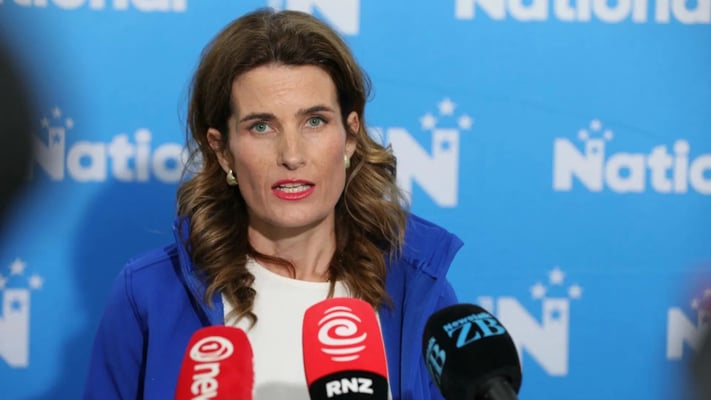
National's Finance spokesperson Nicola Willis - the finance minister - says Thursday's inflation figures were encouraging but pressures remain "because of events overseas and the international oil shock".
Willis said that supports the government's approach of "choosing not to spend up large", saying if she had the inflation figure would be higher and New Zealanders would be paying higher prices.
"There are people who have faced a range of different circumstances. There are also always people who've had a promotion, people who've fixed on a lower mortgage rate, people whose circumstances have changed for the better.
"We can never generalise all New Zealanders because people have such different circumstances. What we know is that we are focused on the underlying drivers of your household budget, and that is keeping inflation under control."
She points to Australia's inflation rate at 4 percent as "significantly higher than New Zealand's".
Asked about energy costs, Willis blames Labour's 2018 "oil and gas ban" which prevented new exploratory drilling for oil and gas fields in New Zealand's offshore waters which was overturned last July.
Those who support the ban point to the last viable oil field having been discovered in 2003. The government this year granted the first new exploration licence for an area in the Taranaki Basin.
"Like many things, we've been doing the clean up. We have been fixing the underlying foundations, and New Zealand will be seeing the rewards if we stick to the plan," Willis says.
Inflation dip to be short lived, more RBNZ rate rises to come
The September quarter inflation rate was at the low end of economists' expectations.
Various measures of underlying inflation pointed to an annual rate in a range between 2.6 and 3.2 percent.
The September quarter's inflation relief has already evaporated amid the resurgence in global fuel costs, which have sent local pump prices to record highs.
Inflation is now expected to rise to as high as 4.5 percent in the December quarter, raising the prospect it will spill over into the price of other goods and services, and prompt stronger wage demands.
The RBNZ signalled in September that a pause in rate rises was likely this month, but forecasters and financial markets are now betting on a 25 basis point rate rise on October 28 and a 50 percent chance of a similar sized rise in December.
New Zealand's inflation rate compared to the OECD average of 4.3 percent, was lower than Australia, equalled the US, but trailed the UK and the European Union.
- Consumer prices rose 0.7% in September quarter, but the annual rate eased from a two-year high to 3.7%
- A temporary dip in fuel prices eased CPI pressures from higher food, energy, building costs, airfares, and rates
- Higher fuel, electricity, housing, electricity drove an annual increase
- ...
- Consumer prices rose 0.7% in September quarter, but the annual rate eased from a two-year high to 3.7%
- A temporary dip in fuel prices eased CPI pressures from higher food, energy, building costs, airfares, and rates
- Higher fuel, electricity, housing, electricity drove an annual increase
- Underlying inflation pressures are touching the top of the RBNZ target band
- The latest surge in fuel costs sent local prices to record levels; inflation is expected above 4% by year end
- There are strong odds of Reserve Bank rate hike next week
Inflation retreated from a two year high as a temporary fall in fuel prices eased some of the pressures on household and business budgets.
Stats NZ data showed the consumer price index rose 0.7 percent in the three months ended September, with the annual inflation rate easing to 3.7 percent from 4.1 percent in June.
Petrol prices eased 6.5 percent during the quarter, and other vehicle oils fell 4 percent, during a lull in Middle East hostilities and improved global supplies.
"Lower petrol prices were the largest downward contribution to the quarterly inflation rate," prices spokesperson Nicola Growden said.
For the year petrol prices rose 19 percent accounted for just under a fifth of the about 17 percent of the annual inflation rate.
Excluding food, fuel and household energy the quarterly inflation rate would have been 1.1 percent and the annual rate 2.9 percent.
International airfares were the strongest driver of the quarterly CPI increase, rising 14.3 percent.
"This was the largest quarterly increase in international airfares since the December 2022 quarter. The increase was mainly driven by higher fares to Europe and Asia," Growden said.
Domestic inflation raises its head again
Domestic prices - non-tradables - such as power, and rates were among the bigger items to rise, up 3.3 percent for the year, and by 1.0 percent for the quarter.
Construction of a new house rose 0.5 percent for the quarter, and by 3.2 percent for the year.
"Respondents reported that the higher costs for materials, subcontractors, labour and fuel contributed to rising prices for new housing," Growden said.
Rents, which had been a big driver of previous years' inflation measures, continued to be flat with no increase in the quarter and rising 0.2 percent annually.
Electricity prices were 9.3 percent higher than a year ago, reflecting higher lines charges.
The latest update of local body rates was incorporated in the data, and were 6.2 percent higher.
These offset falls in audio visual equipment, and some food items such as butter, and olive oil.
Finance Minister responds
National's Finance spokesperson Nicola Willis - the finance minister - says Thursday's inflation figures were encouraging but pressures remain "because of events overseas and the international oil shock".
Willis said that supports the government's approach of "choosing not to spend up large", saying if she had the inflation figure would be higher and New Zealanders would be paying higher prices.
"There are people who have faced a range of different circumstances. There are also always people who've had a promotion, people who've fixed on a lower mortgage rate, people whose circumstances have changed for the better.
"We can never generalise all New Zealanders because people have such different circumstances. What we know is that we are focused on the underlying drivers of your household budget, and that is keeping inflation under control."
She points to Australia's inflation rate at 4 percent as "significantly higher than New Zealand's".
Asked about energy costs, Willis blames Labour's 2018 "oil and gas ban" which prevented new exploratory drilling for oil and gas fields in New Zealand's offshore waters which was overturned last July.
Those who support the ban point to the last viable oil field having been discovered in 2003. The government this year granted the first new exploration licence for an area in the Taranaki Basin.
"Like many things, we've been doing the clean up. We have been fixing the underlying foundations, and New Zealand will be seeing the rewards if we stick to the plan," Willis says.
Inflation dip to be short lived, more RBNZ rate rises to come
The September quarter inflation rate was at the low end of economists' expectations.
Various measures of underlying inflation pointed to an annual rate in a range between 2.6 and 3.2 percent.
The September quarter's inflation relief has already evaporated amid the resurgence in global fuel costs, which have sent local pump prices to record highs.
Inflation is now expected to rise to as high as 4.5 percent in the December quarter, raising the prospect it will spill over into the price of other goods and services, and prompt stronger wage demands.
The RBNZ signalled in September that a pause in rate rises was likely this month, but forecasters and financial markets are now betting on a 25 basis point rate rise on October 28 and a 50 percent chance of a similar sized rise in December.
New Zealand's inflation rate compared to the OECD average of 4.3 percent, was lower than Australia, equalled the US, but trailed the UK and the European Union.


Related Posts
ISSUE


Leave a Comment