


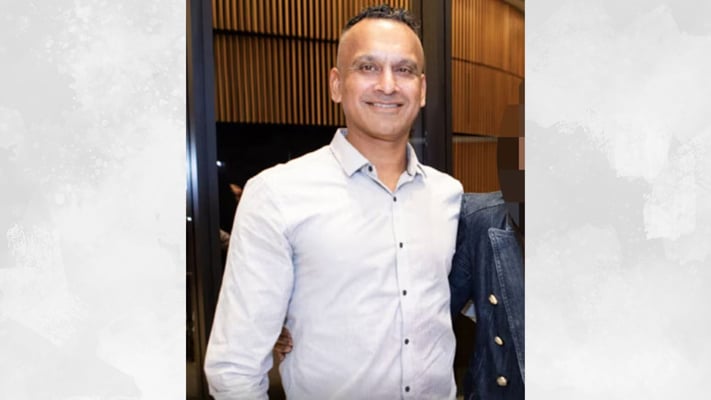

Disbarred lawyer Rohineet Sharma acquitted in $600K laundering case
A disbarred lawyer accused of laundering more than $600,000 linked to fraudulent schemes has been acquitted after a judge ruled prosecutors failed to prove he knowingly participated in organised criminal activity.
According to a report by the New Zealand Herald, Rohineet Sharma was found not guilty on all 10 counts of money laundering following a judge-alone trial. The charges related to two separate fraud cases in which large sums of money were transferred into his bank accounts.
Following the verdict, Sharma embraced his lawyer while family members in the public gallery became emotional as Judge Simon Lance concluded the three-year-long case, the New Zealand Herald has reported.
According to the New Zealand Herald, the Crown had argued that Sharma knowingly handled proceeds of crime and described him as a sophisticated businessman involved in large-scale financial ventures. Prosecutors claimed his explanations for receiving the money were implausible.
However, Judge Lance said while parts of the case appeared suspicious, there was insufficient evidence to establish Sharma was connected to the scammers or knowingly involved in criminal offending.
“I get the sense from his statements that, on the contrary, he’s a person who’s rather unsophisticated and trusting, potentially gullible,” the New Zealand Herald has quoted.
Police alleged Sharma received a fraudulent payment of $204,000 into his ANZ account in September 2020 after scammers compromised the email account of a Gisborne forestry company. Authorities also claimed another $400,000 was deposited into his Kiwibank account in February 2023 from luxury yacht skipper Tim Michalick, who had fallen victim to an investment scam, as reported by the New Zealand Herald.
According to the prosecution, Sharma later used part of the money for renovations on his St Heliers home, private school fees, and other business expenses.
During the trial, Sharma maintained that he believed the payments were legitimate and linked to international funding arrangements for a proposed solar energy project involving New Zealand’s power grid operator, the New Zealand Herald has reported.
He told police he was seeking overseas investment for a billion-dollar renewable energy venture and had been introduced to foreign lenders through business contacts in India.
Regarding the first payment, Sharma claimed the money related to a failed Australian property deal and that he expected funds from a man named Anthony.
“That’s not an explanation I can reject outright,” Judge Lance said while discussing Sharma’s understanding of the payment, as quoted by the New Zealand Herald.
The judge stressed that suspicion alone could not justify a criminal conviction and said prosecutors failed to prove Sharma knowingly handled criminal proceeds.
On the second payment, Sharma stated the $400,000 was part of a loan arrangement from offshore lenders. He claimed he received a signed agreement and identification documents linked to the lender and even paid a brokerage fee to secure the finance, as reported by the New Zealand Herald.
While prosecutors argued the loan terms were unusually favourable, the judge noted scammers may have structured the deal to appear genuine.
Judge Lance further observed there was no evidence Sharma communicated with the scammers, helped design the fraud, or transferred stolen money onward as a “money mule”, the New Zealand Herald has reported.
“The spending is indicative of a person who has the belief they are entitled to spend the funds. There is no evidence on ‘muling’,” the New Zealand Herald has quoted.
Although the judge acknowledged it was suspicious that scammers had access to Sharma’s bank account details, he reiterated that “suspicion is not enough.”
According to the New Zealand Herald, during police interviews played in court, Sharma described himself as the chief executive of Green Solar 2024 and said he had been attempting to raise capital for renewable energy projects since 2016, after struggling to obtain support from New Zealand banks.
“I received the money, I used the money,” Sharma told police.
“That money was a loan from a person called Tim Michalick.”
He also stated the documents relating to the loan “looked very nice and proper,” as quoted by the New Zealand Herald.
Sharma’s lawyer, Fletcher Pilditch KC, argued during the trial that the Crown had failed to prove his client acted recklessly or knowingly participated in criminal conduct.
“Mr Sharma’s beliefs are his beliefs. We need to assess his conduct in light of the beliefs he had,” the New Zealand Herald has quoted.
The prosecution, however, questioned how scammers repeatedly obtained Sharma’s account details and transferred large amounts of stolen money into his accounts.
Despite those concerns, the court ruled the evidence did not meet the threshold required for conviction, resulting in Sharma’s acquittal on all charges, as reported by the New Zealand Herald.

A disbarred lawyer accused of laundering more than $600,000 linked to fraudulent schemes has been acquitted after a judge ruled prosecutors failed to prove he knowingly participated in organised criminal activity.
According to a report by the New Zealand Herald, Rohineet Sharma was found not guilty...
A disbarred lawyer accused of laundering more than $600,000 linked to fraudulent schemes has been acquitted after a judge ruled prosecutors failed to prove he knowingly participated in organised criminal activity.
According to a report by the New Zealand Herald, Rohineet Sharma was found not guilty on all 10 counts of money laundering following a judge-alone trial. The charges related to two separate fraud cases in which large sums of money were transferred into his bank accounts.
Following the verdict, Sharma embraced his lawyer while family members in the public gallery became emotional as Judge Simon Lance concluded the three-year-long case, the New Zealand Herald has reported.
According to the New Zealand Herald, the Crown had argued that Sharma knowingly handled proceeds of crime and described him as a sophisticated businessman involved in large-scale financial ventures. Prosecutors claimed his explanations for receiving the money were implausible.
However, Judge Lance said while parts of the case appeared suspicious, there was insufficient evidence to establish Sharma was connected to the scammers or knowingly involved in criminal offending.
“I get the sense from his statements that, on the contrary, he’s a person who’s rather unsophisticated and trusting, potentially gullible,” the New Zealand Herald has quoted.
Police alleged Sharma received a fraudulent payment of $204,000 into his ANZ account in September 2020 after scammers compromised the email account of a Gisborne forestry company. Authorities also claimed another $400,000 was deposited into his Kiwibank account in February 2023 from luxury yacht skipper Tim Michalick, who had fallen victim to an investment scam, as reported by the New Zealand Herald.
According to the prosecution, Sharma later used part of the money for renovations on his St Heliers home, private school fees, and other business expenses.
During the trial, Sharma maintained that he believed the payments were legitimate and linked to international funding arrangements for a proposed solar energy project involving New Zealand’s power grid operator, the New Zealand Herald has reported.
He told police he was seeking overseas investment for a billion-dollar renewable energy venture and had been introduced to foreign lenders through business contacts in India.
Regarding the first payment, Sharma claimed the money related to a failed Australian property deal and that he expected funds from a man named Anthony.
“That’s not an explanation I can reject outright,” Judge Lance said while discussing Sharma’s understanding of the payment, as quoted by the New Zealand Herald.
The judge stressed that suspicion alone could not justify a criminal conviction and said prosecutors failed to prove Sharma knowingly handled criminal proceeds.
On the second payment, Sharma stated the $400,000 was part of a loan arrangement from offshore lenders. He claimed he received a signed agreement and identification documents linked to the lender and even paid a brokerage fee to secure the finance, as reported by the New Zealand Herald.
While prosecutors argued the loan terms were unusually favourable, the judge noted scammers may have structured the deal to appear genuine.
Judge Lance further observed there was no evidence Sharma communicated with the scammers, helped design the fraud, or transferred stolen money onward as a “money mule”, the New Zealand Herald has reported.
“The spending is indicative of a person who has the belief they are entitled to spend the funds. There is no evidence on ‘muling’,” the New Zealand Herald has quoted.
Although the judge acknowledged it was suspicious that scammers had access to Sharma’s bank account details, he reiterated that “suspicion is not enough.”
According to the New Zealand Herald, during police interviews played in court, Sharma described himself as the chief executive of Green Solar 2024 and said he had been attempting to raise capital for renewable energy projects since 2016, after struggling to obtain support from New Zealand banks.
“I received the money, I used the money,” Sharma told police.
“That money was a loan from a person called Tim Michalick.”
He also stated the documents relating to the loan “looked very nice and proper,” as quoted by the New Zealand Herald.
Sharma’s lawyer, Fletcher Pilditch KC, argued during the trial that the Crown had failed to prove his client acted recklessly or knowingly participated in criminal conduct.
“Mr Sharma’s beliefs are his beliefs. We need to assess his conduct in light of the beliefs he had,” the New Zealand Herald has quoted.
The prosecution, however, questioned how scammers repeatedly obtained Sharma’s account details and transferred large amounts of stolen money into his accounts.
Despite those concerns, the court ruled the evidence did not meet the threshold required for conviction, resulting in Sharma’s acquittal on all charges, as reported by the New Zealand Herald.


Leave a Comment